


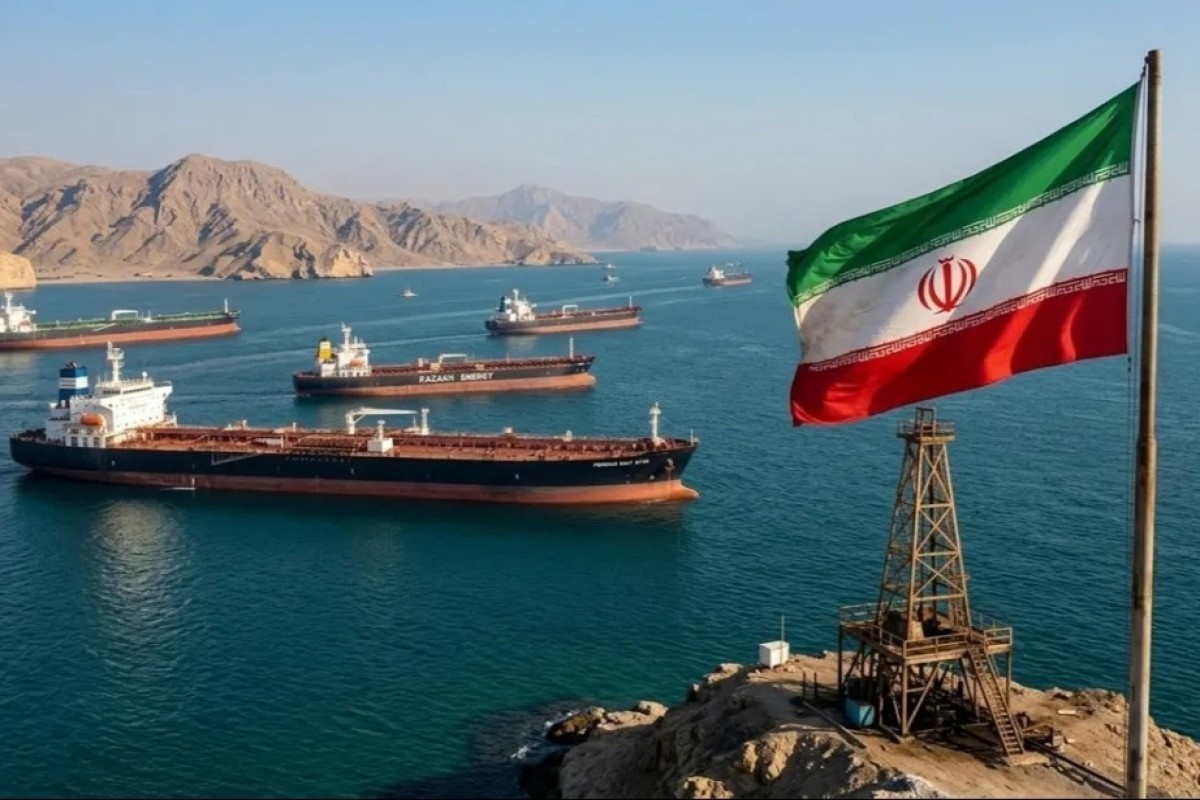
Iran’s Islamic Revolutionary Guard Corps says it coordinated the passage of 26 vessels through the Strait of Hormuz within the last 24 hours, as negotiations between Washington and Tehran over reopening traffic through the strategic waterway remain stuck.
In a statement carried by Iran’s state-linked ISNA news agency, the IRGC said vessel movement through the strait is now taking place only with permission and coordination from its navy.
The announcement comes as tensions around Hormuz continue to pressure global energy markets and raise fears of wider economic disruption.
Iran Publishes New Maritime Control Map
Later on Wednesday, Iran’s Persian Gulf Strait Authority released a new map showing a controlled maritime zone in the Strait of Hormuz. According to the authority, ships will not be allowed to pass through the marked area without authorisation.
The zone reportedly stretches from Kuh-e Mubarak in Iran to south of Fujairah in the United Arab Emirates at the eastern side of the strait. It also extends from the tip of Qeshm Island to Umm al-Quwain at the western entrance.
The move signals Tehran’s effort to formalise control over vessel movement through one of the world’s most important maritime routes.
Global Energy Markets Under Pressure
Before the US-Israel war on Iran began on February 28, around one-fifth of global energy exports passed through the Strait of Hormuz. Iran later blockaded the route, sharply disrupting shipping and energy flows.
In response, the administration of US President Donald Trump imposed a blockade on Iranian ports. That move has placed heavy pressure on Iran’s oil exports, which remain one of the country’s most important sources of revenue.
The standoff has created serious uncertainty in global energy markets, with traders and governments watching closely for any sign of escalation or compromise.
UN Warns of Food Price Shock
The crisis is no longer limited to shipping and oil. On Wednesday, the Food and Agriculture Organization of the United Nations warned that the disruption could trigger a major global food price crisis within the next six to 12 months.
The Rome-based agency said the blockage could become the start of a wider agrifood shock. According to the FAO, the impact may move from energy costs to fertiliser, seeds, lower crop yields, commodity prices, and eventually food inflation.
The warning has increased concern that a prolonged Hormuz crisis could hit poorer countries especially hard, as they are often more vulnerable to rising food and fuel prices.
Talks Between US and Iran Remain Stalled
Trump said on Wednesday that there had been “progress” in negotiations with Iran. However, he also warned that military action could resume if Tehran does not accept a deal.
Iranian Foreign Minister Abbas Araghchi responded by warning that any return to war would bring more surprises. The IRGC also said that if Iran is attacked again, the conflict could expand beyond the region.
The statements show how fragile the talks remain, even as both sides face mounting economic pressure from the continuing blockades.
Both Sides Seek Leverage
Will Todman, a senior fellow at the Center for Strategic and International Studies, told Al Jazeera that both Iran and the United States appear to believe that continuing their blockades will strengthen their negotiating position.
He said each side seems to think that the longer the pressure continues, the more economic pain the other side will feel. That belief could make it harder to reach a quick breakthrough.
Hormuz Crisis Remains a Global Concern
The Strait of Hormuz remains a major flashpoint because of its importance to global trade, energy supplies, and food security. Iran’s claim that 26 vessels passed through under IRGC coordination suggests some controlled traffic is still moving, but the broader crisis remains unresolved.
With talks stalled, threats continuing, and global markets under pressure, the dispute over Hormuz is becoming more than a regional confrontation. It is now a major test of diplomacy, energy security, and economic stability.