


Iran is advancing a new diplomatic proposal focused on reopening the Strait of Hormuz while postponing negotiations with the United States over its nuclear programme, as Tehran works to build broader regional backing for a possible deal.
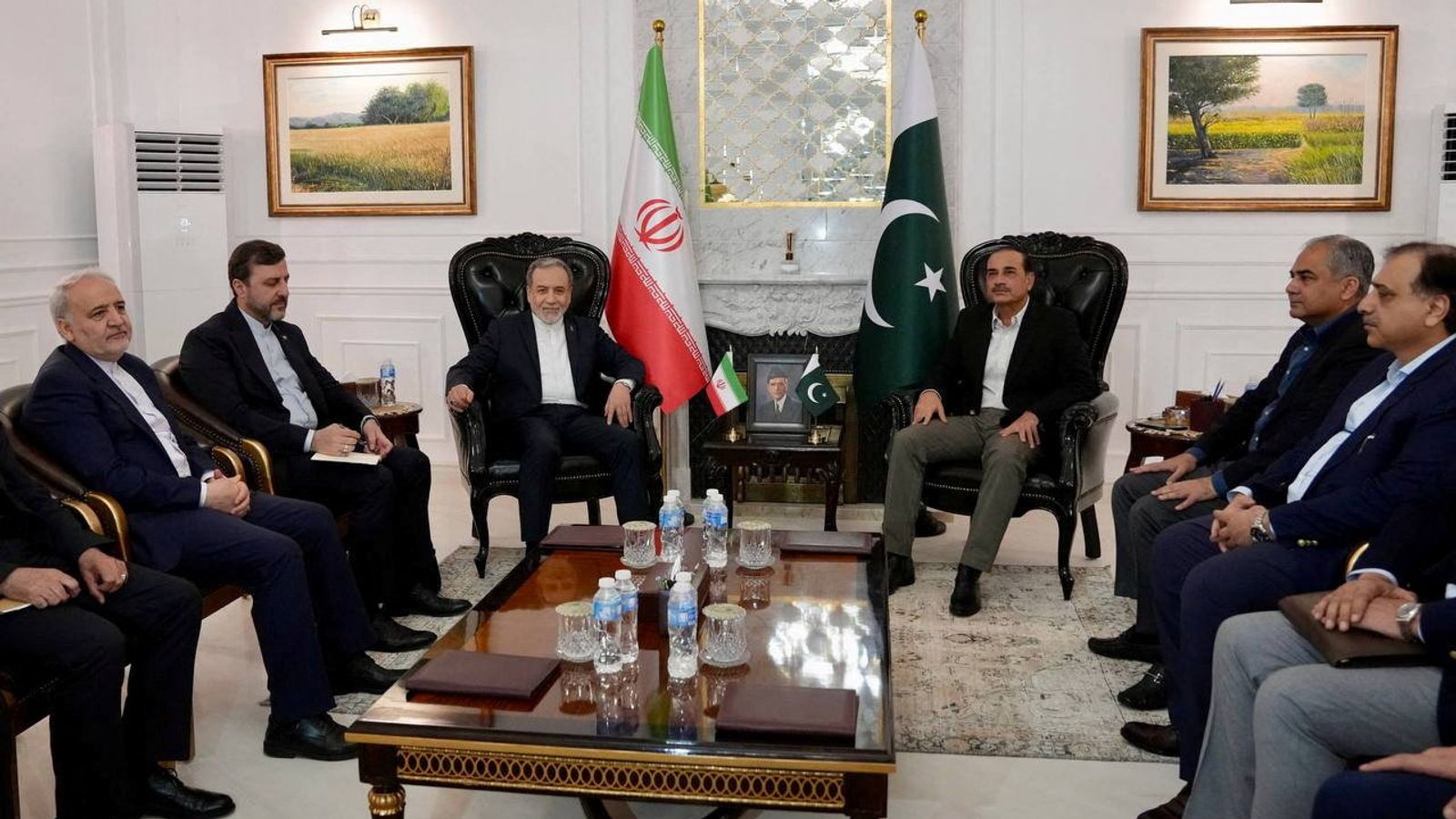
According to the report, Foreign Minister Abbas Araghchi spent 72 hours moving between Pakistan, Oman and Russia in an intense diplomatic effort aimed at gathering support for the proposal. His meetings included talks in Islamabad, a stop in Muscat and a later meeting with Russian President Vladimir Putin in St Petersburg. Sources close to the effort said senior intelligence officials from several countries were also present during discussions in Oman.
The central idea of the proposal is to address the Strait of Hormuz, regional security guarantees and the outline of a possible settlement first, while leaving nuclear issues for a later stage. Iran has passed the proposal to Pakistan, which is acting as an intermediary between Tehran and Washington after earlier direct talks in Islamabad failed to produce a breakthrough.
US Response Remains Unclear as Trump Holds Firm
The White House has not confirmed the details of Iran’s latest proposal. A spokesperson said the United States would not negotiate through the media and made clear that any agreement must prevent Iran from obtaining a nuclear weapon.
That response leaves major uncertainty over whether President Donald Trump would accept a deal that separates the Strait of Hormuz from the nuclear question. Trump said on Fox News that Iran already knows what is required and suggested there is no reason to meet unless Tehran accepts US terms on nuclear weapons.
At the same time, the diplomatic effort is unfolding under growing time pressure. Under the 1973 War Powers Resolution, Trump faces a May 1 deadline to secure congressional authorisation if he wants to continue military operations against Iran beyond the current 60-day window. Although Republicans have mostly backed him so far, some have signalled that support may not continue without formal approval from Congress.
Pakistan Emerges as a Key Go-Between
Pakistan has moved to the centre of the latest round of diplomacy. During his two visits to Islamabad, Araghchi met Prime Minister Shehbaz Sharif, Deputy Prime Minister and Foreign Minister Ishaq Dar, and Army Chief Field Marshal Asim Munir. He later returned to Pakistan after the Muscat talks and held another meeting with Munir before leaving for Moscow.
Araghchi later said Pakistan had played an important role in mediating recent negotiations between Iran and the United States, though he blamed what he called incorrect US approaches and excessive demands for the failure of the previous round.
Senior Pakistani officials cited in the report said Islamabad would continue trying to facilitate talks honestly and discreetly. Former Pakistani foreign secretary Aizaz Chaudhry praised the level of confidentiality around the process, describing it as disciplined and professional diplomacy. Iranian media, however, presented the process more firmly, saying Araghchi had used Pakistan to communicate Tehran’s red lines on both nuclear issues and the Strait of Hormuz.
Iran Widens Its Diplomatic Outreach
Tehran’s push has gone beyond those three capitals. Over the same period, Araghchi held phone calls with the foreign ministers of Qatar, Saudi Arabia, Egypt and France, suggesting Iran is trying to build a wider network of cautious support.
Qatar warned that regional sea lanes must not become tools of pressure or bargaining. Saudi Arabia was briefed on developments surrounding the ceasefire, while Egypt was involved in calls with both Iranian and Qatari officials. France insisted Europe still had a constructive role to play. After the Muscat meeting, Oman’s foreign minister called for practical solutions to ensure lasting freedom of navigation.
Analysts quoted in the report said these contacts do not necessarily mean a major regional realignment, but they do show that Iran is trying to reduce its isolation and reassure key neighbours. This matters especially because Gulf countries were angered by Iranian missile and drone attacks earlier in the conflict, yet still appear to prefer diplomacy over escalation if Tehran refrains from targeting them again.
Russia’s Role Seen as Supportive but Limited
Iran’s Moscow outreach also reflects a wider effort to avoid repeating past diplomatic failures. Iranian officials said Araghchi’s talks with Putin covered the latest status of negotiations, the ceasefire and surrounding regional developments.
Analysts said Russia offers Tehran several advantages, including a longstanding strategic relationship, a veto at the UN Security Council and technical experience from the original nuclear deal. At the same time, Moscow cannot deliver sanctions relief from Washington or replace direct US-Iran understanding. Its role is viewed more as that of a diplomatic stabiliser and geopolitical counterweight.
Some observers believe the Moscow leg of the trip may also have involved more specific issues, including Iran’s enriched uranium stockpiles and military cooperation with Russia. One analyst noted that Russia has previously offered to take responsibility for Iran’s enriched uranium, adding another layer to its possible role in future arrangements.
Tehran Appears to Be Playing a Longer Game
Behind this new Hormuz-first strategy lies a broader lesson Iran seems to have drawn from the collapse of the 2015 nuclear deal. When Trump withdrew from the JCPOA in 2018, Iran was left without enough regional backing and without any real guarantor able to hold Washington to its commitments.
Analysts in the report say Tehran now appears determined to avoid that mistake by building a wider diplomatic cushion. That means reassuring neighbours, widening the group of states invested in de-escalation and trying to create a stronger constituency against future escalation.
But there are still major gaps. Trump has already said Iran offered a lot, but not enough, and broader accommodation remains distant. One analyst said Iran is asking for something much bigger than a deal on Hormuz alone, effectively seeking a broader regional adjustment that Gulf states may be unwilling to grant after recent attacks. Another pointed out that public opinion inside Iran may also limit how far Tehran can compromise, especially on reopening the strait without visible concessions from Washington.
Several Deadlines Are Now Converging
The pressure around the talks is also being intensified by a series of approaching deadlines. Alongside the May 1 War Powers deadline in Washington, Trump is scheduled to visit China in mid-May, and the Hajj season is also approaching.
With millions of pilgrims expected in Saudi Arabia later in May, any escalation during that period could be especially costly for Gulf states already trying to balance diplomacy, security and regional stability. Pakistani officials said Islamabad remains ready to host another formal round of talks, but suggested real negotiations are likely to continue quietly until a genuine opening for a deal appears.
For now, Iran’s strategy appears clear: focus first on Hormuz, delay the nuclear question and use regional outreach to widen support before entering any deeper bargain with the United States. Whether Washington accepts that sequence remains the biggest unanswered question.