


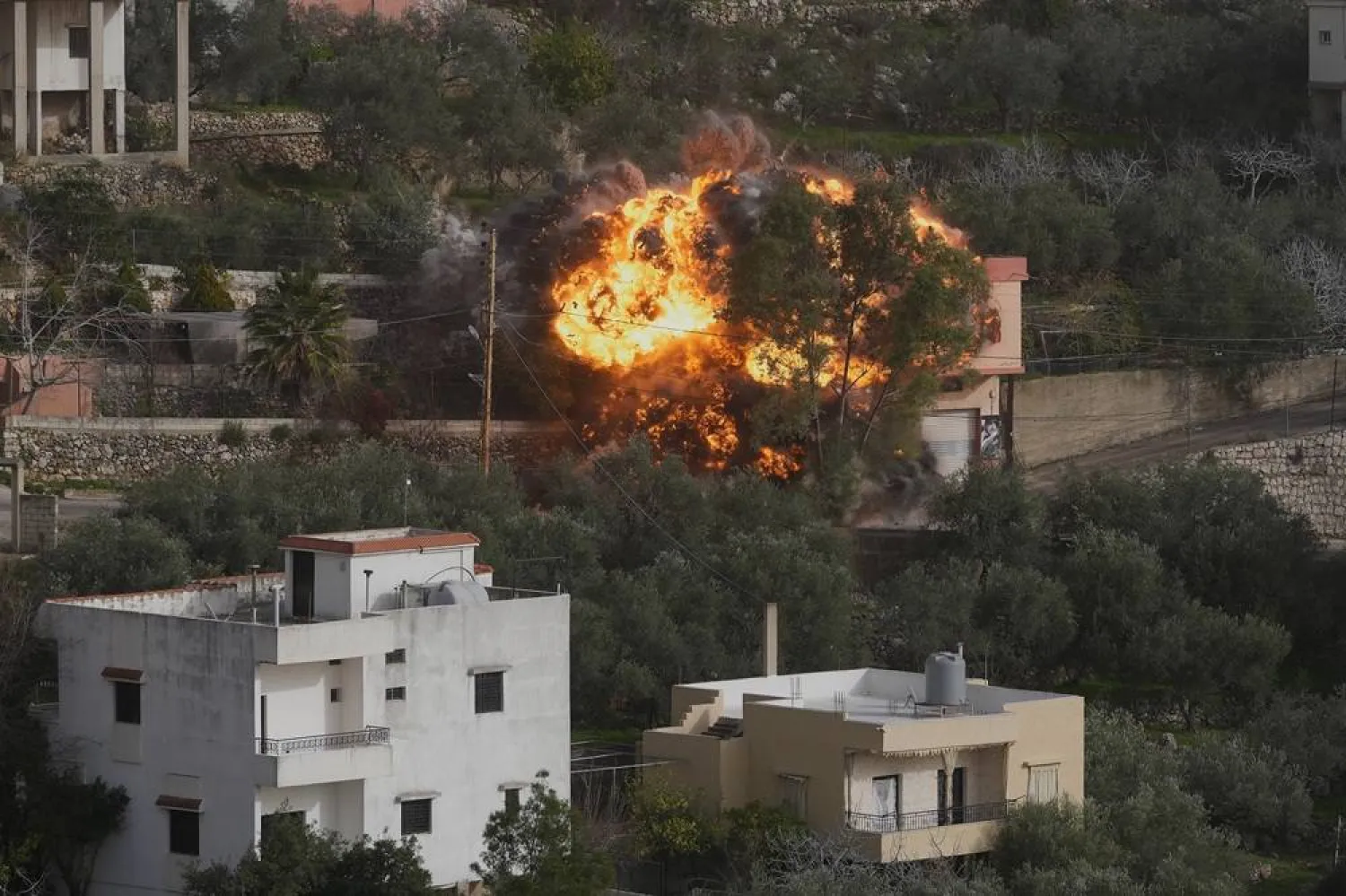
Israel air raids continued to hit several parts of Lebanon, especially in the south, leaving dozens dead and more than 100 others injured within the past two days. The latest attacks have added to the growing destruction in a country already battered by war, while tensions in the Middle East continue to rise amid the broader confrontation involving the United States, Israel, and Iran.
According to reports, one of the strikes targeted a house in the town of Burj Shemali in southern Lebanon. In other southern areas, Israeli shelling struck the entrances to the towns of Chihine and Marwahin, both located near the border with Israel. Lebanon’s official National News Agency (NNA) reported the incidents on Thursday.
Warplanes also carried out two overnight strikes near residential homes in al-Sarira, located in the Jezzine district. The attacks reportedly caused visible damage to nearby houses, including cracked walls and shattered windows, increasing fear among residents already living under constant threat.
Rising Death Toll and Widespread Injuries
Lebanon’s Ministry of Public Health said that at least 45 people have been killed over the last two days as a result of Israeli strikes, while more than 100 others have been wounded. Children were reportedly among the injured, highlighting the heavy civilian impact of the ongoing attacks.
The strikes were not limited to southern Lebanon. Other affected areas included Beirut, Baalbek in eastern Lebanon, and Sidon in the south. Central Beirut was reportedly hit several times on Wednesday, as fighting between Israel and Hezbollah intensified.
The scale of the violence continues to alarm humanitarian groups and international observers. Lebanese authorities say that at least 968 people have been killed in Israeli strikes since March 2. The World Health Organization has stated that more than 100 of the dead were children, underscoring the deep human cost of the conflict.
Hezbollah Claims Attack on Israeli Tanks
As clashes escalated, Hezbollah said its fighters destroyed six Israeli Merkava tanks in southern Lebanon. The armed group claimed the attack happened as Israeli forces attempted to move into the town of Taybeh toward the Deir Siryan area.
The incident reflects the growing intensity of ground and air confrontations in southern Lebanon, where the border region has become one of the main fronts in the conflict. With both sides exchanging heavy attacks, fears are rising that the violence could spread even further and become more difficult to contain.
Displacement Crisis Deepens
The United Nations warned on Wednesday that more than one million people in Lebanon have been displaced as Israeli attacks expand across the country. Nearly one-third of those forced from their homes are children, according to the UN.
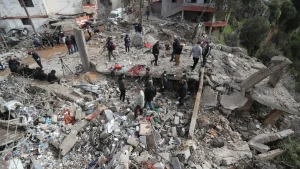
This mass displacement has added to an already severe humanitarian crisis. Families have been pushed to flee their homes with little warning, while shelters and aid services are struggling to meet the growing needs of those affected.
The destruction of homes, damage to civilian infrastructure, and repeated air raids have left many communities living in uncertainty. For many Lebanese civilians, the conflict is not only a security crisis but also a daily struggle for survival.
France and the EU Respond
Amid the worsening situation, French Foreign Minister Jean-Noel Barrot arrived in Lebanon on Thursday in a show of support for the Lebanese people. According to his office, the visit is intended to demonstrate France’s solidarity during a time of deep crisis.
Barrot is expected to meet Lebanese President Joseph Aoun, Prime Minister Nawaf Salam, and Parliament Speaker Nabih Berri, according to the National News Agency, which cited a statement from the French Ministry for Europe and Foreign Affairs.
The statement said the Lebanese people had been “dragged into a war they did not choose.” Before the visit, Barrot also held phone talks with Israeli and US officials.
At the same time, the European Union urged Israel to stop its military operations in Lebanon. In a statement, an EU spokesperson said the bloc was deeply concerned by the continuing Israeli offensive, warning that it had already caused devastating humanitarian consequences and could lead to a prolonged conflict.
Regional Tensions Continue to Grow
The latest attacks show how quickly the Lebanon front is worsening as regional tensions continue to mount. With air strikes, artillery shelling, civilian casualties, and mass displacement increasing, the humanitarian and political pressure is growing by the day.
International calls for restraint are becoming louder, but for now, the violence continues to shape daily life in Lebanon. As the conflict deepens, concerns remain high that the crisis could further destabilize the wider Middle East.