


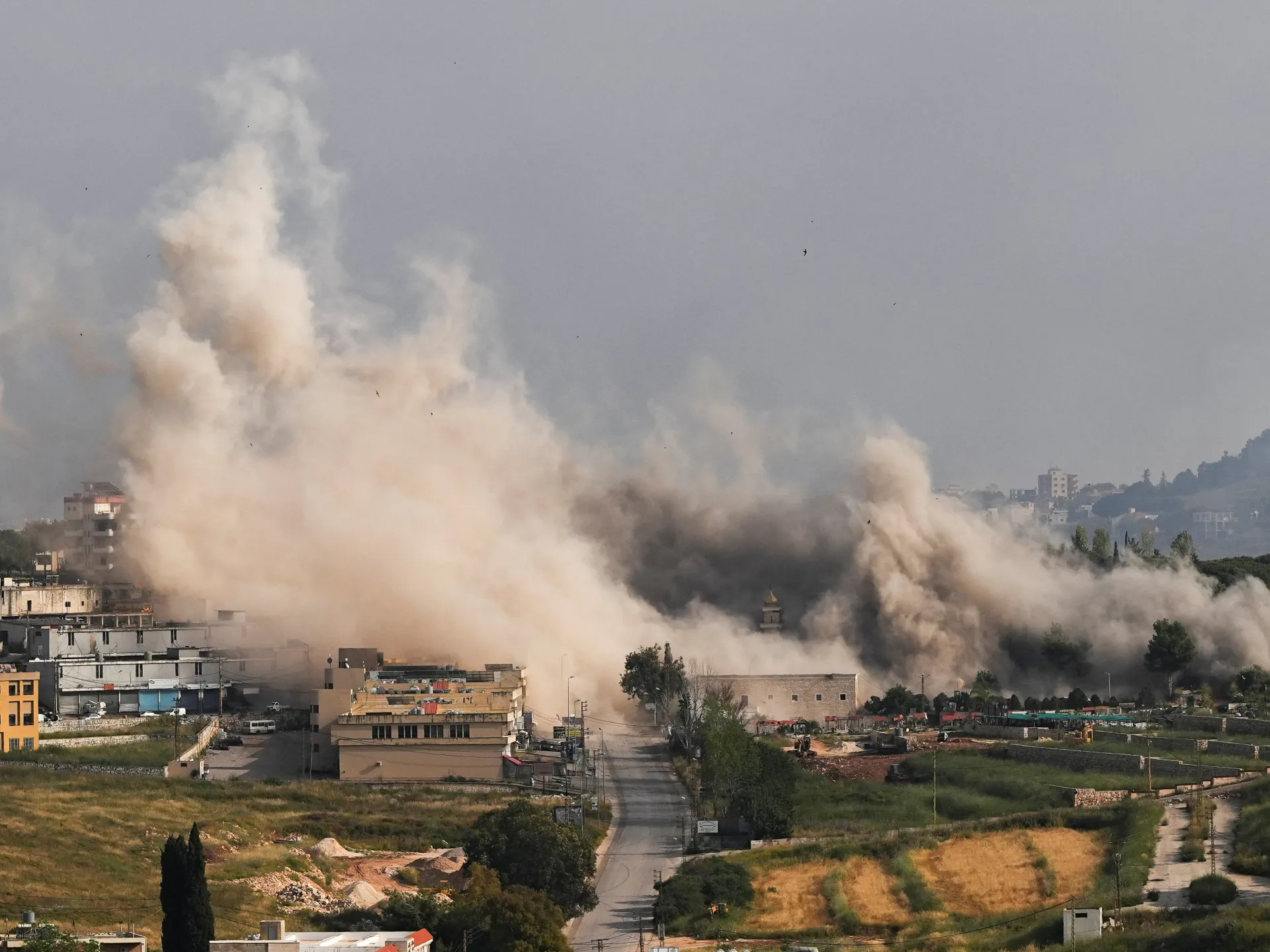
Israel military has reportedly moved beyond the Litani River in southern Lebanon for the first time since 2006, bringing its forces close to Nabatieh, one of the region’s largest and most important cities. Lebanese military sources said Israeli troops crossed the river, which Israel has described as part of its unofficial buffer zone. The advance has raised concerns that Israeli forces may be preparing to surround Nabatieh. Nabatieh is a major economic and cultural centre in southern Lebanon. The city also carries symbolic importance for many Lebanese because of its history during past conflicts with Israel.
Reports Say Israel Is Encircling the City
Reporting from Tyre, Al Jazeera’s Obaida Hitto said Israel appeared to be expanding its air campaign while trying to isolate Nabatieh ahead of a possible assault.
The move could separate parts of southern Lebanon from the western Bekaa Valley and place new pressure on Hezbollah’s defensive lines.
Lebanon’s military said two soldiers were seriously wounded near Nabatieh after their vehicle was targeted by an Israeli drone.
Paramedic Killed in Drone Attack
Lebanon’s National News Agency reported that at least one paramedic was killed and four others were injured in an Israeli drone strike on the village of Jebchit.
The attack also damaged the Lebanese Relief Hospital, though medical and ambulance staff were reported safe.
Israeli strikes and shelling were also reported near Beaufort Castle, a historic site overlooking large parts of southern Lebanon. The castle was previously held by Israeli forces for years before their withdrawal from Lebanon in 2000.
Hezbollah Claims Retaliatory Attacks
Hezbollah said it responded by launching rockets toward Kiryat Shmona in northern Israel.
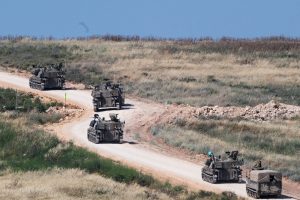
The group also claimed it ambushed Israeli soldiers near Ghandouriyeh and forced them to withdraw. Later, Hezbollah said it destroyed an Israeli military vehicle near Yohmor al-Shaqif using attack drones.
The group also reported drone and missile attacks on Israeli military positions in northern Israel and southern Lebanon, including Yaara, Naqoura, and Nahariyya.
Evacuation Orders Increase Civilian Pressure
Israel has issued evacuation orders for at least 10 villages in southern Lebanon as its military operation expands.
The Israeli army’s Arabic spokesperson warned residents to leave immediately, saying they could be in danger if they stayed.
The orders have added to Lebanon’s displacement crisis. More than 1.2 million people, around one-fifth of the population, have already been forced from their homes because of the fighting.
Many displaced families are staying with relatives, sleeping in vehicles, or living in temporary shelters in public areas.
Lebanon Condemns Escalation
Lebanese Prime Minister Nawaf Salam called Israel’s actions a dangerous and unprecedented escalation. He urged an immediate ceasefire and said a scorched-earth approach would not bring security.
Salam also defended Lebanon’s direct negotiations with Israel, saying talks remain the least costly path for the country.
He met President Joseph Aoun to discuss the security situation and ongoing negotiations. Aoun also spoke with US Secretary of State Marco Rubio and stressed that Israel must respect the existing ceasefire.
Ceasefire Talks Continue Despite Fighting
The latest escalation comes as Israeli and Lebanese officials continue talks mediated by the United States. A new round of discussions is expected in Washington next week.
However, Israel’s continued strikes and evacuation orders are placing more pressure on the fragile ceasefire, which has been in place since mid-April but has repeatedly been violated.
Israel says its operations are aimed at Hezbollah and are part of efforts to disarm the group. Lebanese officials have also been working toward disarming Hezbollah, but the process remains difficult.
Southern Lebanon Faces Growing Uncertainty
The advance toward Nabatieh marks a serious development in the conflict. If Israeli forces move further into the city, it could deepen the humanitarian crisis and make ceasefire efforts even harder.
For now, southern Lebanon remains under heavy pressure as military operations continue, civilians flee, and diplomatic efforts struggle to keep pace with events on the ground.