


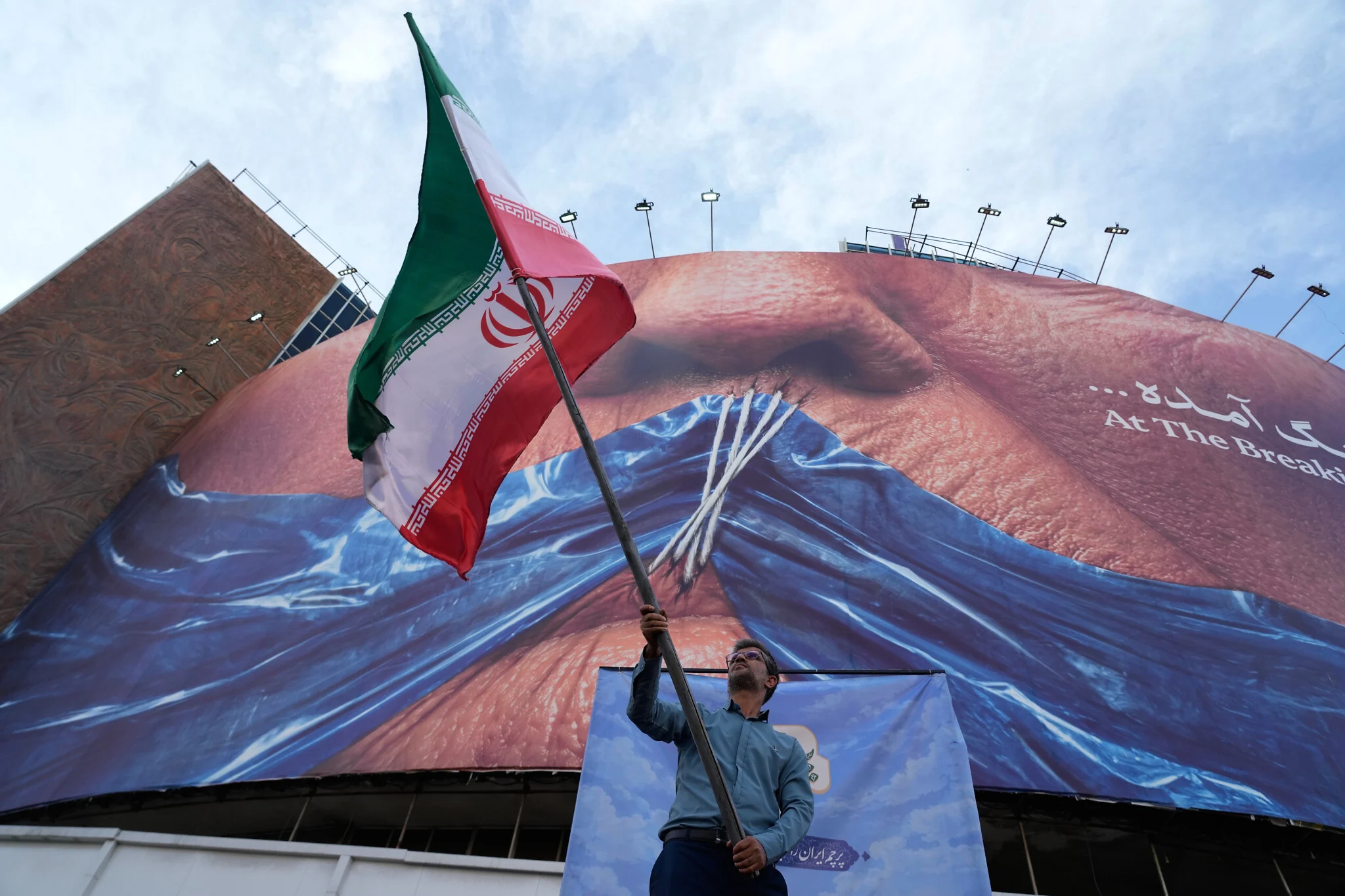
Iran officials have warned that Israel’s expanding military operations in Lebanon and continued attacks in Gaza could damage ongoing ceasefire negotiations with the United States.
Foreign Minister Abbas Araghchi said on Monday that Iran views the ceasefire with the US as applying to all fronts, including Lebanon. He argued that any violation in one area should be treated as a violation of the entire ceasefire.
Araghchi also said the US and Israel would be responsible for the consequences if the ceasefire breaks down.
Iran Accuses US of Failing to Respect Truce
Iran’s chief negotiator and parliament speaker, Mohammad Bagher Ghalibaf, made a similar statement. He accused Washington of failing to comply with the ceasefire because of the continued US naval blockade on Iranian ports and Israel’s growing military campaign in Lebanon.
Ghalibaf said every decision carries a cost, warning that the consequences would eventually become clear.
Their comments came as Israel expanded its ground operation in southern Lebanon and threatened renewed large-scale strikes in Beirut.
Israel Issues New Evacuation Orders
Shortly after the Iranian warnings, Israel’s military issued a forced evacuation order for residents in Dahiye, the southern suburb of Beirut. Strikes were then ordered in the area.
The order followed reports that Israeli ground forces had reached their deepest point inside Lebanon in 26 years, increasing fears of a wider confrontation with Hezbollah and its allies.
Trump Says He Helped Reduce Tensions
US President Donald Trump later claimed that he had stepped in to calm the situation. He said he had spoken with Israeli Prime Minister Benjamin Netanyahu and received assurances that Israeli troops would not continue advancing toward Beirut.
Trump also claimed that Israeli troops already moving in that direction had been turned back.
In another unusual statement, Trump said he had also spoken through senior representatives with Hezbollah and that both sides had agreed to stop shooting. It remains unclear who Trump or his representatives may have contacted, since the US officially designates Hezbollah as a foreign terrorist organisation.
Iran Reportedly Suspends Messages With US
Iran’s semi-official Tasnim news agency reported that Tehran is also demanding an immediate halt to Israeli military operations in Gaza.
The report said Iranian officials had suspended indirect text exchanges with US counterparts through a mediator because of the continuing attacks in Gaza and Lebanon.
According to the report, Iran wants Israel to stop its military operations in both areas and fully withdraw from occupied parts of Lebanon before talks continue.
Although the Iranian government has not publicly confirmed the Tasnim report, the agency is widely viewed as close to the Islamic Revolutionary Guard Corps, making the report a possible signal from Tehran.
IRGC Issues New Warning
Later, Iran’s Islamic Revolutionary Guard Corps warned that it could open new fronts if Israel’s attacks continue.
Iranian state media also reported that the IRGC threatened to keep the Strait of Hormuz closed unless Israeli military action in Lebanon and Gaza stops.
The IRGC’s intelligence organisation said Iran considers crossing red lines in Lebanon and Gaza as a direct move toward war.
US Tries to Separate Lebanon From Iran Talks
The United States has tried to keep the Israel-Hezbollah conflict in Lebanon separate from its wider negotiations with Iran. Washington has also supported separate talks between Lebanese and Israeli officials.
Iran, however, insists that Lebanon must be included in any future ceasefire deal. Tehran argues that the war cannot be treated as separate fronts when the same regional conflict is involved.
This disagreement has become one of the main obstacles in the talks.
Trump Says Iran Still Wants a Deal
Despite the growing tension, Trump repeated that Iran wants to reach an agreement. He told critics to stop interfering and said the talks should be left to his administration.
Trump said he believes the situation will eventually work out, but the latest warnings from Tehran suggest that negotiations remain fragile.
Ceasefire Talks Face New Pressure
Iran’s position is now clear: any agreement with the US must also address Israeli actions in Lebanon and Gaza. Washington may prefer to separate the conflicts, but Tehran is linking them directly.
With Israel expanding operations, Iran threatening wider retaliation, and the US still pushing for a deal, the ceasefire talks are entering a more difficult stage. The outcome may depend on whether the fighting in Lebanon and Gaza can be reduced before diplomacy collapses completely.