


Iran officials say deep mistrust of the United States remains at the center of discussions over a possible agreement to end the nearly three-month war. Senior lawmaker Abbas Moghtadaei told state television that distrust toward America remains the “fundamental principle” guiding Tehran’s position.
His remarks came after an Iranian delegation, led by Parliament Speaker Mohammad Bagher Ghalibaf, returned from Qatar, where efforts to reach an understanding with Washington have intensified.
Iran Accuses US of Violating Ceasefire
Hours before the delegation returned, Iran’s Foreign Ministry accused the US of violating the fragile April 8 ceasefire by carrying out strikes in the southern province of Hormozgan.
Tehran said the attack strengthened its suspicion that Washington may use diplomacy only as a pause before renewed military action.
The Islamic Revolutionary Guard Corps said Iranian forces responded by shooting down a US-made RQ-4 drone with a domestic air defence system. Iranian state television later showed footage that it said was from the downed drone.
The US military said its strikes targeted missile launch sites and Iranian boats that were allegedly trying to place sea mines. IRGC commanders, however, said Iran had the right to retaliate.
Hormuz Deal Still Under Discussion
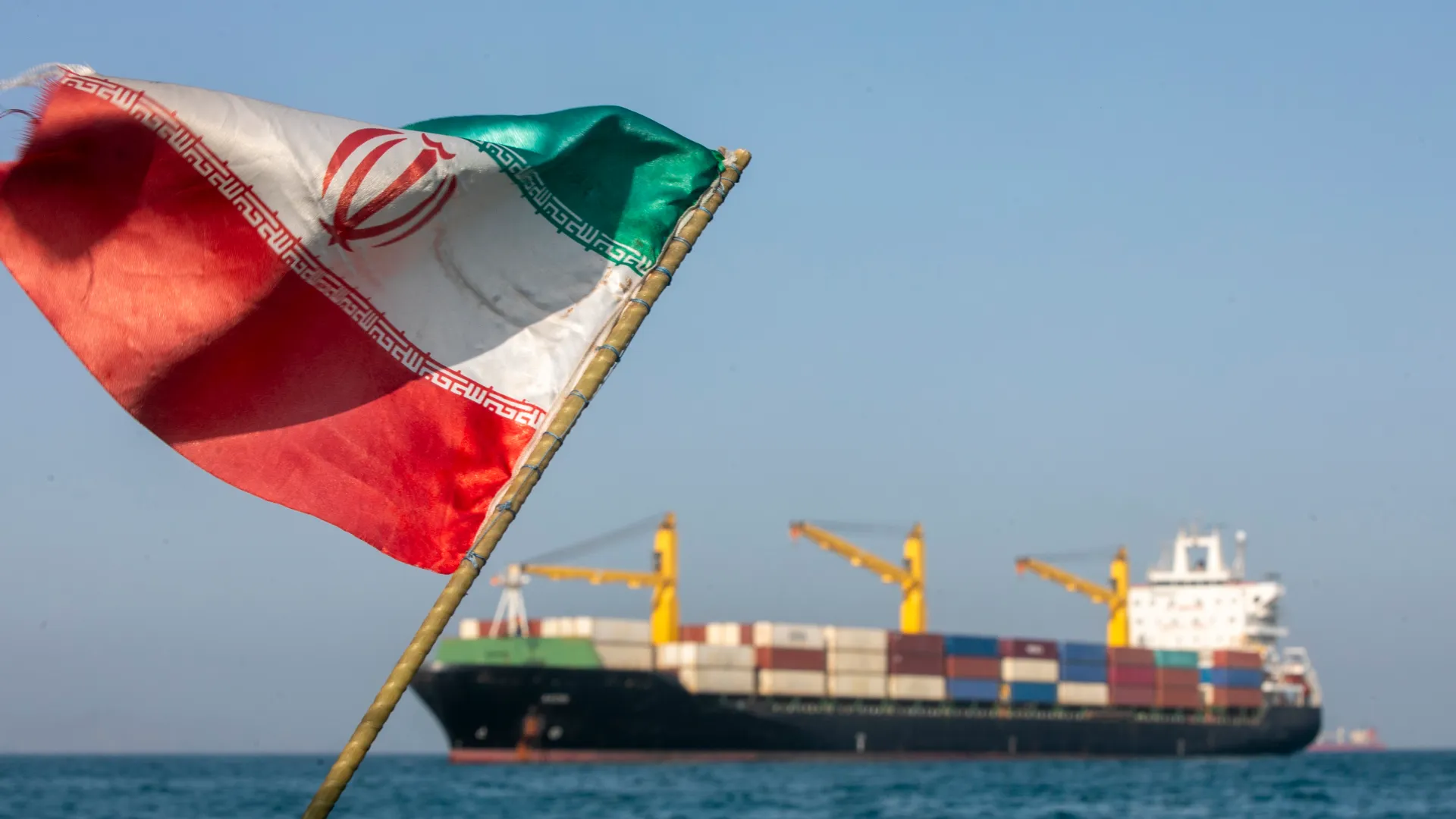
The latest escalation comes as Iran and the US work on the final details of a proposed memorandum that could help increase traffic through the Strait of Hormuz.
The key waterway has been largely frozen since the US and Israel began strikes on Iran on February 28. The proposed agreement could also give Iran access to some of its frozen overseas funds and create a path for future talks on its nuclear programme.
However, experts say many Iranian officials fear that any deal could give the US and Israel time to regroup before another major attack.
Nicole Grajewski of Sciences Po said Tehran would need to present any agreement as a controlled effort to stabilise the situation, not as surrender under military pressure.
Hardliners Warn Against Concessions
Inside Iran, political and military figures have repeatedly said the country will not accept any agreement that looks like capitulation.
President Masoud Pezeshkian has tried to reassure the international community, saying Iran is not seeking nuclear weapons and does not want instability in the region.
But hardline voices inside the military and security establishment remain strongly opposed to trusting Washington. Majid Mousavi, an influential IRGC aerospace commander, described negotiations with the enemy as a loss, echoing earlier hardline views.
Other senior military figures have also warned that Iran must remain ready for renewed confrontation if talks fail.
Iran Wants Relief Without Losing Leverage
Analysts say Iran’s leaders are not only worried about a bad deal, but also about giving up pressure points that could be useful in future disputes.
Alex Vatanka of the Middle East Institute said hardliners are especially concerned about issues involving Hormuz, sanctions relief, and nuclear concessions. For many of them, maritime pressure has become one of Iran’s strongest bargaining tools after the war.
This has shifted the debate in Tehran. The question is no longer simply whether Iran should negotiate, but what it may be giving up in return.
For any deal to gain support inside Iran, officials will likely need quick and visible sanctions relief, access to frozen funds, and guarantees that the agreement will reduce the risk of another war.
Fears of Future Attacks Remain
Iranian state media commentators have also raised concerns that senior leaders could be vulnerable if military operations resume.
Some analysts close to the state have warned that the talks could expose Iranian officials to danger or be used as a trap to gather intelligence.
Reports in US media have claimed that Iran’s top leadership has remained in secure, undisclosed locations during the war, limiting access even for some government officials. US officials have reportedly said this has slowed negotiations.
Interim Deal Appears More Likely Than Full Settlement
Experts believe the most realistic outcome may be a temporary arrangement rather than a complete peace agreement.
Such a deal could reduce immediate risks, reopen parts of Hormuz, allow limited financial relief for Iran, and delay the hardest nuclear questions for later talks.
But that would not remove the deeper mistrust between Tehran and Washington. Iran still fears that the US may return to military action, while Washington remains concerned about Iran’s nuclear programme and regional strategy.
Suspicion Clouds the Path to Peace
The talks may be moving forward, but the political mood in Tehran remains cautious. Iranian leaders want relief from war and sanctions, yet they also want to avoid appearing weak.
For now, the proposed agreement looks less like a final peace settlement and more like a fragile crisis-management effort. Whether it becomes a lasting deal will depend on whether both sides can accept future nuclear terms and whether Iran believes the US will honour its commitments.