


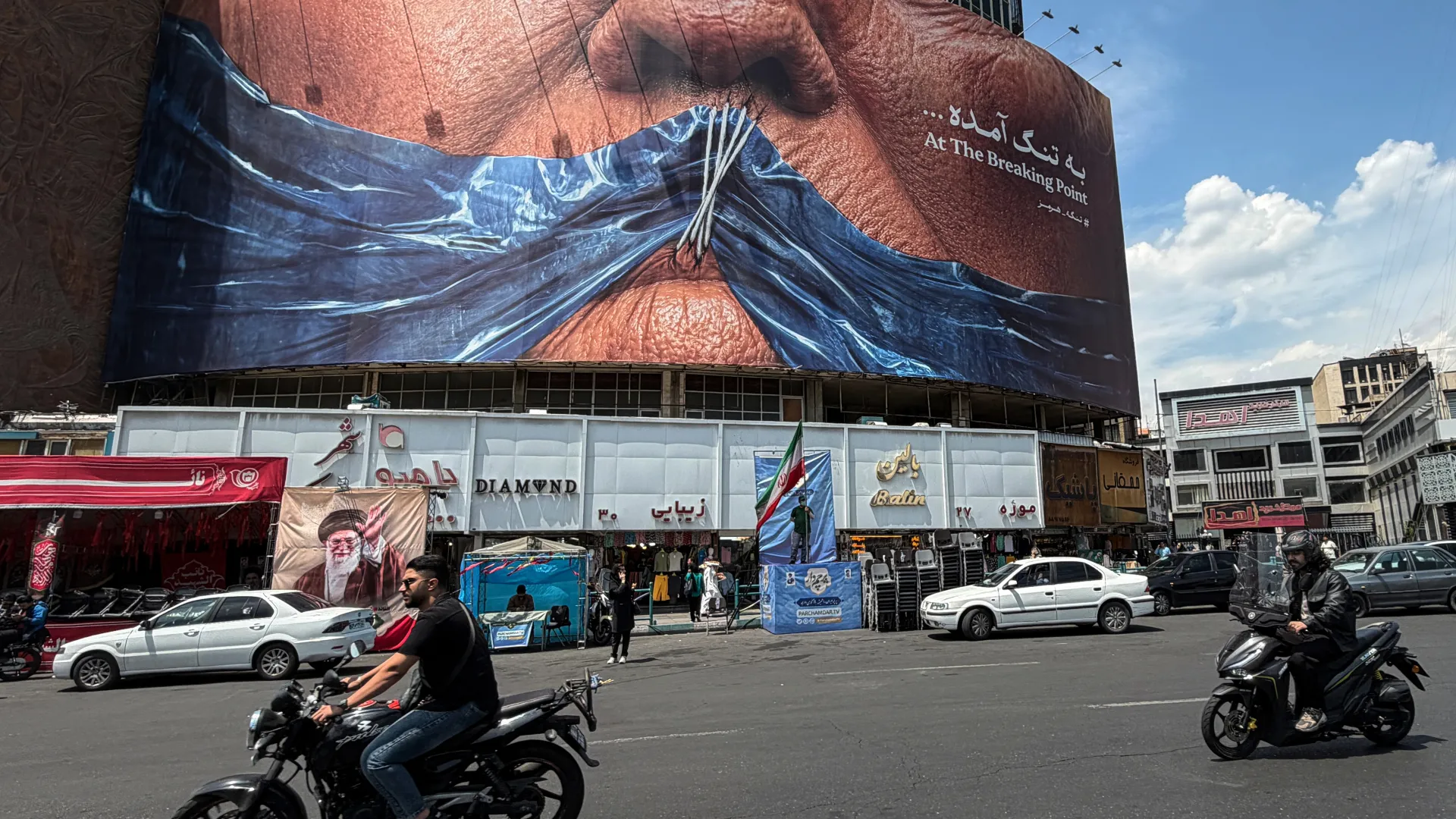
United States President Donald Trump says Washington is close to reaching a “very good deal” with Iran, but a new round of attacks between the two countries has raised fresh doubts about whether an agreement can be finalised soon. Late on Sunday, US Central Command said American forces had struck Iran military sites over the weekend. Iran’s Islamic Revolutionary Guard Corps later said it had retaliated by targeting a US base in the Gulf region.
Although a ceasefire between the US and Iran has been in place since April 8, both sides have continued to launch occasional attacks on each other’s military assets. Tensions have also remained high because of Iran’s control over traffic through the Strait of Hormuz and the US naval blockade on Iranian ports.
US Says It Hit Iranian Radar and Drone Sites
CENTCOM said its strikes targeted Iranian radar and drone facilities in Goruk and on Qeshm Island.
The US military said the attacks were a response to what it described as aggressive Iranian actions, including the downing of a US MQ-1 drone over international waters.
According to CENTCOM, US fighter aircraft destroyed Iranian air defences, a ground control station, and two attack drones that it said posed a threat to ships moving through regional waters.
Iran Claims Retaliatory Strike on US Base
Iran’s IRGC said it responded by striking a US airbase allegedly used in an attack on a telecommunications tower on Sirik Island in Hormozgan Province.
Iranian state-linked media said the base was targeted by IRGC aerospace forces and that the intended targets were destroyed. The IRGC did not identify the exact location of the base.
Kuwait also reported that its air defences intercepted missile and drone attacks on Monday. Iran did not directly confirm responsibility, but its Foreign Ministry said Tehran has the right to strike regional bases and assets used to attack Iran.
Kurdish Groups in Iraq Report Iranian Strikes
Separate reports from northern Iraq said Iranian missiles struck bases belonging to Iranian Kurdish opposition groups near Erbil.
A senior official from the Komala party said missiles hit its headquarters in the Alana Valley. Another group, the Kurdistan Freedom Party, also said one of its bases near Erbil was targeted.
Since the US and Israel began their war against Iran on February 28, Tehran has carried out strikes against US-linked targets in the Gulf, Israel, and Kurdish opposition groups based in Iraq.
Ceasefire Has Remained Fragile
The ceasefire between Washington and Tehran has faced repeated pressure since it began. Just two days after the truce started, Kuwait said several drones had entered its airspace and blamed Iran and allied groups.
The situation worsened after direct talks collapsed in Islamabad. The US then announced a naval blockade targeting ships entering and leaving Iranian ports.
Iran has also fired on and seized several foreign vessels in the Strait of Hormuz, saying they lacked permission to pass. US forces later captured an Iranian container ship near the Gulf, a move Tehran called piracy.
The United Arab Emirates also accused Iran of launching missiles and drones that caused a fire at an oil refinery in Fujairah. Other drone incidents near the UAE and Saudi Arabia have added to fears of a wider regional escalation.
Trump Says Deal Is Still Possible
Despite the latest attacks, Trump has continued to suggest that a deal with Iran remains possible. In a social media post, he said Iran wants to make an agreement and told critics to “sit back and relax”.
US media reported that Trump has asked for changes to a proposed framework for ending the conflict. Reports said he wanted tougher terms, especially on Iran’s nuclear material and future nuclear limits.
Trump has said any deal must guarantee that Iran will never develop nuclear weapons. He also wants the Strait of Hormuz reopened, since the waterway normally handles about 20 percent of global oil and liquefied natural gas traffic.
Iran has repeatedly said it does not plan to build nuclear weapons.
Hormuz Remains Iran’s Strongest Leverage
Iran continues to view the Strait of Hormuz as a major bargaining tool. Its military has warned that foreign commercial and military vessels could be targeted if they do not follow Iran’s rules for passing through the waterway.
Analysts say Hormuz gives Tehran a powerful form of pressure without crossing into the extreme risks of nuclear escalation. By threatening shipping routes, Iran can affect global energy markets and put pressure on Gulf states and the US.
This has made Hormuz one of the most difficult issues in the talks.
Iran Says Trust Must Come From Results
Iranian Foreign Minister Abbas Araghchi said dialogue and message exchanges with the US are still ongoing, but warned that no judgment should be made until a clear result is reached.
Iran’s chief negotiator, Mohammad Bagher Ghalibaf, said Tehran will not accept any deal that fails to protect Iran’s rights. He also said Iran does not trust US promises and wants real results before making its own commitments.
Analysts say this distrust has deepened after years of broken agreements, military strikes, and shifting US demands.
Talks Continue Under Heavy Pressure
The latest attacks show how fragile the diplomatic process remains. Washington says it is still pushing for a deal, but it is also carrying out military strikes. Tehran says it is open to talks, but continues to retaliate and defend its control over Hormuz.
For now, both sides appear to be negotiating while keeping military pressure alive. That makes a final agreement possible, but far from certain.