


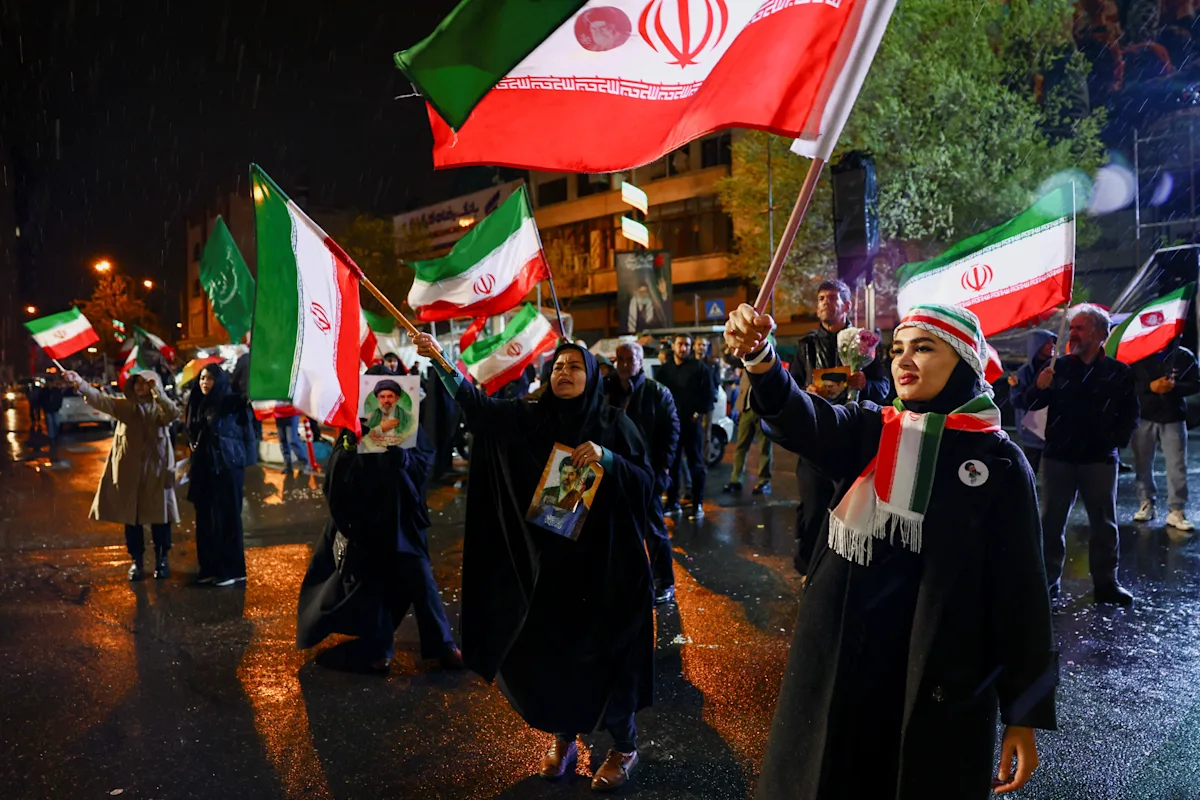
As the conflict entered its 28th day, the United States and Israel continued military attacks on Iran, while diplomatic efforts gathered pace in an attempt to prevent the war from expanding further across the region. President Donald Trump said peace talks were progressing well and delayed planned strikes on Iran’s energy infrastructure by 10 days, pushing the deadline to April 6. Iranian officials, however, rejected the latest US proposal as unfair and one-sided.
Pakistan said it was relaying messages between Washington and Tehran, with Turkiye and Egypt also supporting mediation efforts. Officials involved in the diplomacy said the push could lead to possible face-to-face talks between Iranian and American representatives, potentially as soon as this weekend in Pakistan.
Strikes Continue Across Iran
Despite the talk of diplomacy, attacks on Iran continued. US and Israeli forces kept up their bombardment of Iranian cities, and the reported death toll in Iran has now passed 1,900. On Friday, the Israeli military said it had launched a broad wave of strikes targeting infrastructure linked to the Iranian establishment in central Tehran.
Iran has continued to retaliate by launching missiles and drones not only at Israel, but also toward Gulf states including Kuwait, the United Arab Emirates, Saudi Arabia and Jordan. Reporting from Tehran, Al Jazeera’s Mohamed Vall said many Iranians are paying more attention to the ongoing attacks than to Washington’s public claims that talks are making progress. According to that assessment, the continued bombing has reinforced a view inside Iran that the US is not yet serious about reaching an agreement.
Iran also said it had five non-negotiable demands in response to the US proposal. Among them are reparations for the war and continued Iranian sovereignty over the Strait of Hormuz. The report noted that these conditions are widely seen as unlikely to be accepted by the White House.
Gulf States Face Growing Pressure
The war is increasingly affecting neighbouring countries in the Gulf, where missile and drone activity has become a near-daily threat. In the United Arab Emirates, debris from an intercepted projectile in Abu Dhabi killed two people and injured three others. The victims who died were reported to be from India and Pakistan, while at least one of the injured was also from India.
In Kuwait, the National Guard has repeatedly intercepted incoming drones and missiles, with warning sirens and blasts becoming a regular part of daily life. The continued attacks have heightened fears that the conflict may draw more countries directly into the crisis.
Pressure Mounts on Trump at Home
The war is also beginning to weigh more heavily on the US domestically. According to the report, the conflict is straining American weapons supplies and has triggered debate inside the administration over whether air defence interceptor missiles originally intended for Ukraine should instead be redirected to the Middle East.
At the same time, rising fuel prices are creating political pressure on Trump. A Fox News poll cited in the report showed that 64 percent of respondents disapproved of how he was handling the Iran war, while 36 percent approved. The report also noted that some Americans are increasingly relying on social media platforms for war coverage as confidence in traditional television reporting declines.
Diplomatic activity in Washington also continued. Qatar’s Prime Minister and Foreign Minister Sheikh Mohammed bin Abdulrahman bin Jassim Al Thani travelled to Washington for talks with US Secretary of Defense Pete Hegseth focused on security co-operation and regional defence strategy.
Israel Faces Criticism and Casualties
In Israel, the military said it needed additional troops in southern Lebanon, where fighting with Hezbollah continues as Israeli forces try to establish what they call a buffer zone. The army also announced the deaths of two soldiers in southern Lebanon, where its operations have expanded in recent days.
Opposition leader and former Prime Minister Yair Lapid criticised the government sharply, accusing it of leading the country into a security disaster by pursuing a war on several fronts without a clear strategy or sufficient manpower.
Conflict Expands Across the Region
Beyond Iran and Israel, the war is also affecting Iraq, Lebanon and Yemen. Lebanese media reported an Israeli strike on Beirut’s southern suburbs early Friday. In Iraq, the US bombed Habbaniyah base in Anbar province, killing between five and seven Iraqi soldiers and injuring 23 others.
The wider fallout is also being felt economically. Iraq’s oil exports have dropped by more than 70 percent because of the closure of the Strait of Hormuz. In Lebanon, the death toll from Israeli attacks has risen to 1,116. Lebanese Prime Minister Nawaf Salam has warned the United Nations about what he described as a risk that Israel could annex territory south of the Litani River.
Global Markets and Regional Anxiety
International concern is growing over the war’s economic consequences. The World Bank said it was ready to provide immediate financial support to emerging economies prepared to respond at scale. Meanwhile, the Philippines received a shipment of more than 700,000 barrels of Russian crude oil after declaring a national emergency, according to the report.
Regional analysts also warned that countries in South Asia are watching developments closely. ACLED analyst Pearl Pandya told Al Jazeera that many states in the region depend heavily on Gulf stability and do not want to see Iran collapse or Gulf economies severely destabilised.