


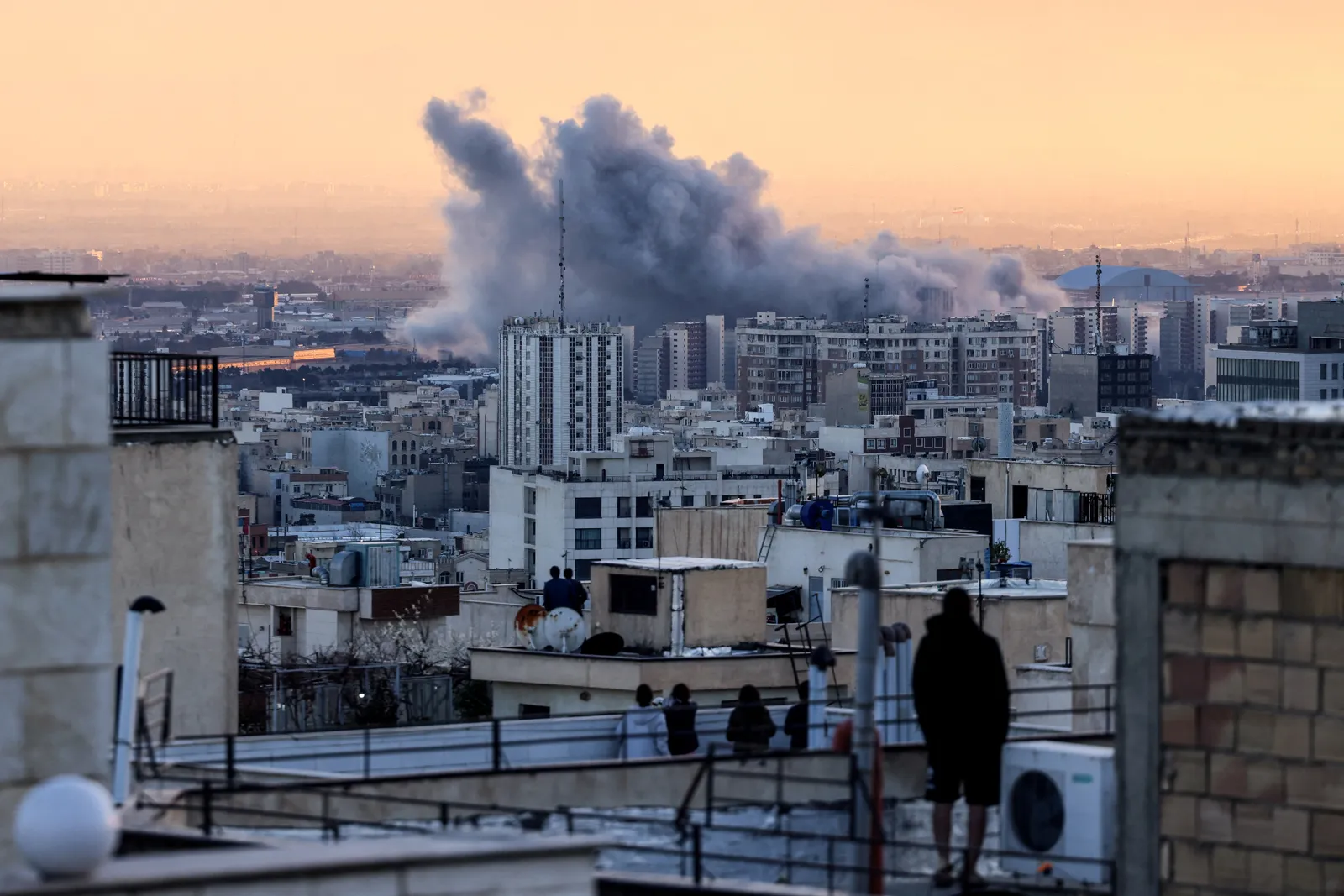
The war involving the United States, Israel and Iran entered its 15th day with a major new flashpoint: US strikes on Iran’s Kharg Island, a strategic hub that handles most of the country’s crude exports. President Donald Trump said American forces hit military sites on the island while deliberately avoiding its oil infrastructure, though he warned that could change if Iran disrupts shipping in the Strait of Hormuz. Reuters and Al Jazeera both reported that Kharg is central to Iran’s export system and that the latest strike has raised fresh fears over energy supplies and regional escalation.
US Central Command said more than 90 Iranian military targets on Kharg Island were struck, including mine storage areas and missile-related facilities. Trump later repeated that the oil network had been spared “for reasons of decency” while signaling that any interference with maritime traffic could trigger attacks on those facilities as well.
Iran and Its Allies Step Up Retaliation
Iran’s Revolutionary Guard said it launched missiles and drones at Israel in coordination with Hezbollah, framing the action as part of its annual al-Quds Day message of support for Palestine. Israel, for its part, said more missiles were fired toward its territory, with alerts sounding in Jerusalem and other areas as its air defenses responded. Al Jazeera also reported continued Iranian attacks across Gulf states as the conflict spread beyond Iran and Israel themselves.
Iranian officials also continued to issue warnings over the Strait of Hormuz and regional energy routes. Reuters reported that the US strike on Kharg was seen by analysts as a message that Washington can hit Iran’s military position around the strait while still holding back the more economically devastating option of attacking oil export infrastructure.
Casualties and Damage Continue to Rise
Casualty numbers remain severe. Al Jazeera’s day-by-day reporting said at least 1,444 people in Iran had been killed and 18,551 injured since February 28. Separately, local officials in Iran’s Kurdistan province said more than 110 people had been killed there alone. These figures reflect claims from local or national authorities and may continue to change as fighting and rescue operations go on.
On the Israeli side, incoming Iranian fire was again reported near Tel Aviv, where smoke was seen rising after blasts following missile warnings. The fighting has now become a sustained regional confrontation rather than a short exchange of strikes.

Gulf States on Alert as Drones and Missiles Spread the Conflict
The fallout has been felt across the Gulf. Al Jazeera reported that Saudi Arabia intercepted six drones, while Qatar said its armed forces intercepted an incoming missile after emergency alerts were sent to phones and some areas were evacuated. Bahrain also sounded sirens and urged residents to move to safe places. Oman, after a recent drone-related incident that killed two people, called for dialogue and de-escalation.
The shipping crisis remains one of the most dangerous parts of the conflict. Al Jazeera reported that some Indian vessels were allowed through the Strait of Hormuz in a rare exception, while Reuters said the strait’s disruption has already rattled oil markets and heightened fears of a broader supply shock.
Lebanon and Iraq Also Feel the Pressure
The wider war has continued to hit neighboring countries. Al Jazeera’s reporting on day 15 said Israeli attacks in Lebanon have kept the death toll rising, while Hezbollah leader Naim Qassem signaled readiness for a prolonged confrontation. In Iraq, a missile struck a helipad inside the US embassy compound in Baghdad, according to Reuters and Al Jazeera, underscoring how exposed American interests in the region have become.
Economic Shock Builds as Diplomacy Struggles
The conflict is also feeding a wider economic strain. Reuters reported that Kharg supports a huge share of Iran’s oil exports, making any future attack on its energy infrastructure a potentially major blow to global supply. That risk has already helped drive concern in energy markets, while countries dependent on Gulf shipping have started looking for ways to protect cargo routes and stabilize fuel costs.
At the same time, signs of diplomatic strain are growing. Reuters reported debate inside the US itself over whether Washington should continue escalating or claim success and step back. That reflects a broader sense that, even as military pressure rises, there is still no clear path to a quick end.
A War Still Expanding
Day 15 showed that the conflict is not easing. The US strike on Kharg Island, Iran’s retaliatory launches, the widening pressure on Gulf states, and the growing risk to shipping and oil flows all point to a war that is still expanding in both military and economic terms. With each side hardening its position, the danger now lies not only in the next missile or drone strike, but in how much farther the confrontation could spread across the region.