


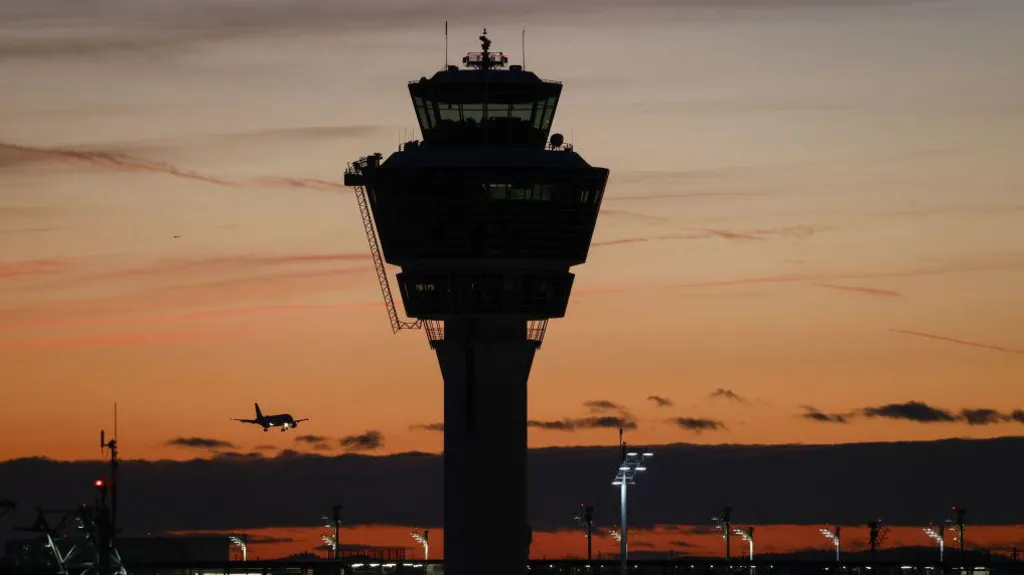
Germany has accused Russia of launching a cyber-attack targeting its air traffic control systems and attempting to interfere in its federal election. In response, the German foreign ministry summoned the Russian ambassador.
A ministry spokesperson stated that Russian military intelligence was responsible for a “cyber-attack against German air traffic control in August 2024.” The spokesperson further alleged that Russia sought to influence and destabilise Germany’s February 2024 federal election through coordinated disinformation efforts.
Germany, he said, would work closely with its European partners to impose countermeasures aimed at ensuring Russia “pays a price for its hybrid actions.” Moscow has not yet issued a response to the new accusations.
Attribution to Fancy Bear and the GRU
According to the spokesperson, the August cyber-attack has been linked to Fancy Bear, a well-known Russian hacker group. “Our intelligence clearly shows that the GRU bears responsibility for this attack,” he said.
The foreign ministry added that it is now certain Moscow attempted to undermine both the recent federal election and Germany’s internal affairs through a disinformation operation known as Storm 1516. This campaign reportedly targeted Green Party candidate Robert Habeck and CDU candidate Friedrich Merz, who has since become chancellor.

German security services found fabricated videos suggesting ballot manipulation circulating online just days before the election, which officials said were part of the Russian effort.
Escalating Cyber Concerns Across Europe
Fancy Bear has previously been tied to major international cyber incidents, including the leak of World Anti-Doping Agency data and the 2016 attack on the US Democratic National Committee.
Germany’s latest accusations emerge as European nations express growing concern about Russian-linked cyber operations following the 2022 invasion of Ukraine. While Russia has not yet responded to Germany’s new claims, it has repeatedly denied similar accusations of sabotage or hybrid warfare in the past.