


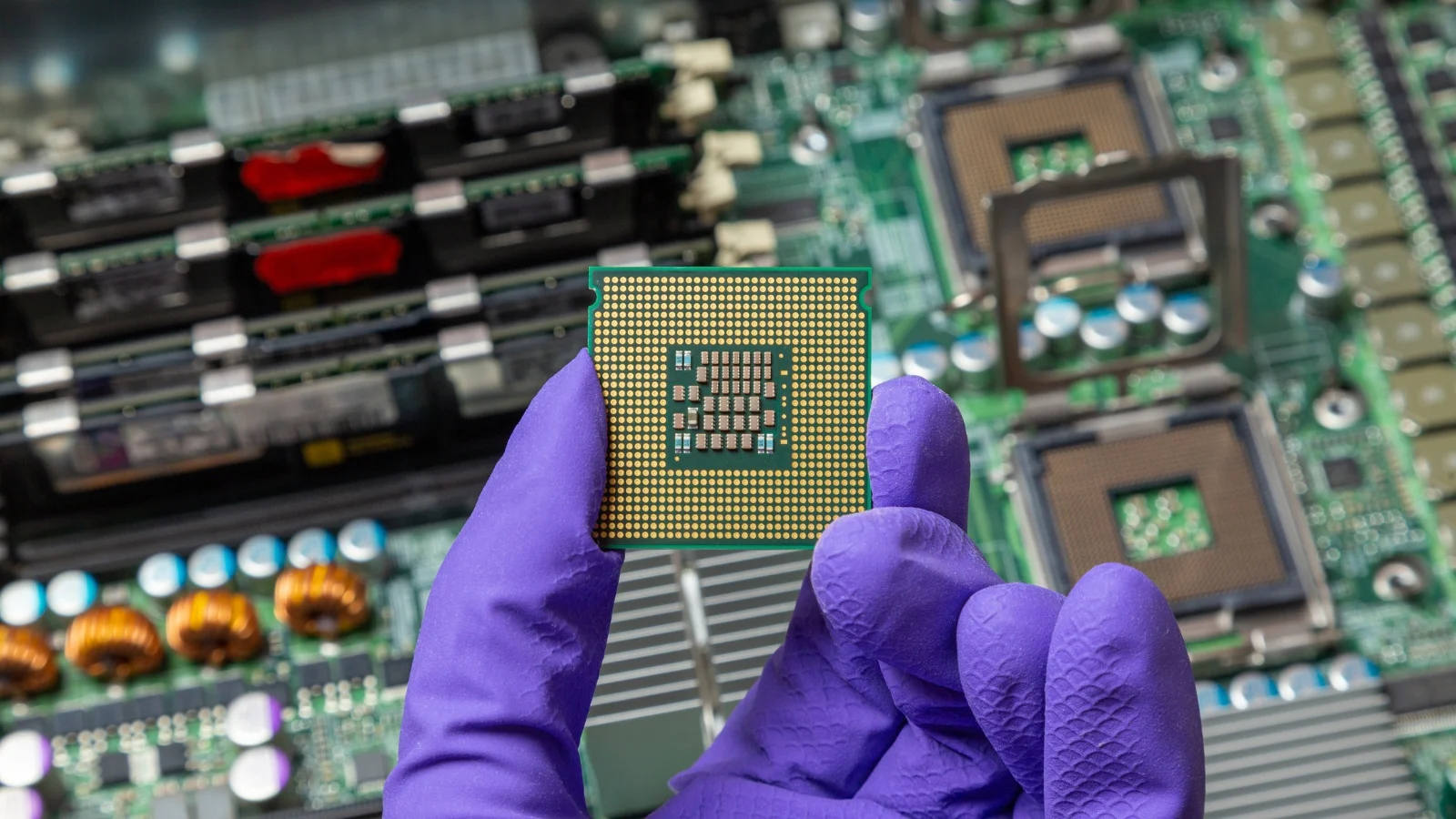
In October, a small electronics manufacturer based in Gujarat shipped its first batch of chip modules to a customer in California, marking a modest but symbolic step for India’s semiconductor ambitions.
The company, Kaynes Semicon, assembled the chips with support from Japanese and Malaysian technology partners at a newly built factory backed by incentives from Indian Prime Minister Narendra Modi’s $10 billion semiconductor programme launched in 2021. The initiative aims to position India as an alternative manufacturing hub for companies seeking to diversify production away from China.
Progress has been gradual. One major milestone is India’s first commercial chip foundry for mature semiconductors, currently under construction in Gujarat. The $11 billion project is being developed with technology support from a Taiwanese chipmaker and has already attracted interest from US semiconductor giant Intel as a potential customer.
With global demand for chips continuing to surge, India’s entry into semiconductor manufacturing could strengthen its role in global supply chains. However, analysts caution that the country still lags behind major players such as the US, Taiwan, and China, particularly in advanced chip technology.
Growing Momentum, Lingering Gaps
Semiconductor production involves three main stages: design, fabrication, and assembly and packaging. The US dominates chip design, Taiwan leads in advanced fabrication, while China has become a powerhouse in packaging.
India’s upcoming foundry is a joint venture between the Tata Group and Taiwan’s Powerchip Semiconductor Manufacturing Corporation (PSMC). Tata Electronics has also signed an agreement with Intel to explore manufacturing and packaging opportunities at its future facilities. With generous central and state government subsidies, the foundry could become operational as early as late 2026.
Even if timelines slip, the project represents a turning point for India, which has seen multiple semiconductor plans collapse in the past. The facility will focus on mature chips between 28nm and 110nm—widely used in cars, appliances, and industrial equipment, but not in cutting-edge AI computing.
Experts say this focus makes sense. Mature chip technology is more accessible globally and offers a practical entry point for India’s semiconductor ambitions.
Assembly and Packaging as a Starting Point
More than half of India’s $10 billion incentive package is dedicated to the Tata-PSMC foundry, with the remainder supporting nine assembly, testing, and packaging (ATP) projects. These include major investments by Micron Technology in Gujarat and Tata Group facilities in Assam.
ATP projects require lower investment and carry less technological risk than full-scale foundries, making them an easier starting point. Still, many of these initiatives have faced delays, with production timelines pushed back by months or years.
Despite setbacks, Kaynes Semicon became the first Indian firm to export chip modules, while another project by CG Semi is nearing commercial production.
Domestic Demand Drives Strategy
India’s semiconductor push is largely driven by domestic demand, which is expected to double from $50 billion to $100 billion by 2030. Imports of chips have surged in recent years, reaching nearly $24 billion in 2024 alone, with China remaining India’s largest supplier.
Producing even mature chips locally could help reduce imports, improve trade balance, and strengthen industries that rely heavily on semiconductors.
Incentives and the Road Ahead
While India’s incentives are significant by domestic standards, they pale in comparison to China’s $48 billion support programme and the US’s $53 billion CHIPS Act. Experts say sustained policy support, better infrastructure, and a more business-friendly environment will be essential for India to scale up.
India remains strong in chip design talent, but rising competition from other Asian countries could threaten this advantage if incentives for research and development are not expanded.
As the global semiconductor race accelerates, India has made a meaningful start—but catching up with established leaders will require patience, partnerships, and long-term policy precision.