


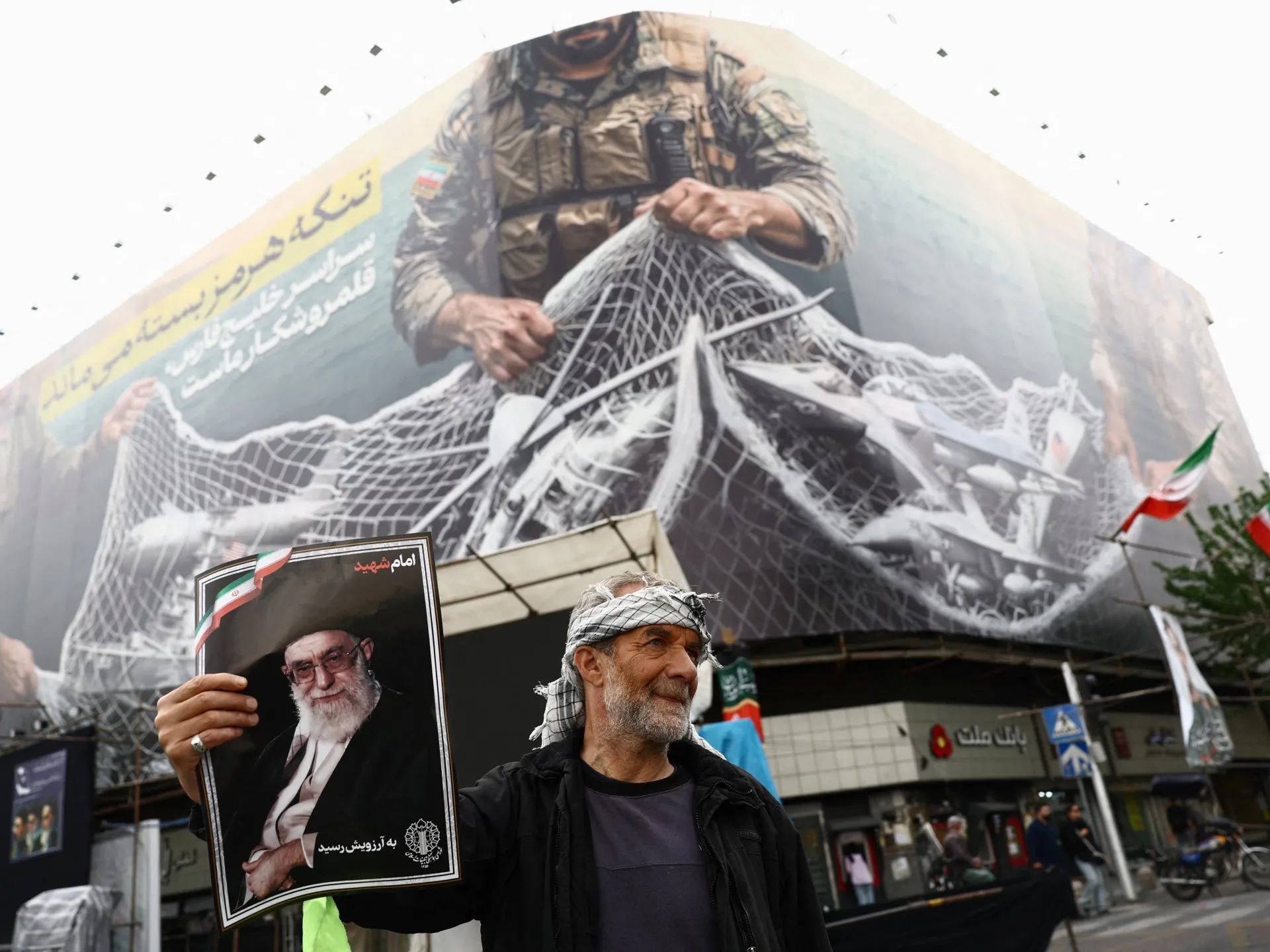
Tensions remain severe across the Middle East as Iran, the United States and Israel continue exchanging threats while violence on the ground shows little sign of easing.
Iranian President Masoud Pezeshkian has condemned the US naval blockade of Iranian ports, describing it as an extension of military operations and calling it unacceptable. At the same time, US President Donald Trump has suggested that Washington could return to war if necessary, saying the possibility remains open and adding that only a small number of people know the full details of the talks now taking place behind the scenes.
The latest developments suggest that while diplomacy has not completely collapsed, the region remains caught between uneasy ceasefire language and the real possibility of renewed escalation.
Iran Signals Defiance as Pressure Continues
Inside Iran, state-linked media reported that air defences were activated in Tehran on Thursday night to respond to small aircraft and drones, underlining how tense the security environment remains even during the current pause in direct fighting.
Analysts say Tehran entered the blockade period better prepared than some expected. Iran is believed to have stockpiled oil at sea, while high global prices and a large domestic market have helped soften the immediate economic impact. Observers also note that Iran has operated under years of intense sanctions and is used to conditions even harsher than the present moment.
That does not mean the pressure is insignificant, but it does suggest that economic pain alone may not be enough to force a quick shift in Tehran’s position.
Diplomacy Faces Deadlock While Warnings Grow
The broader diplomatic picture remains uncertain. Retired US General Mark Kimmitt said Iran’s combination of military pressure and economic leverage is unlikely to push Washington into the kind of talks Tehran may want, warning that the basic direction of the standoff has not changed and a deadlock may continue.
Even so, he suggested that growing international pressure would probably keep pushing both sides towards negotiation and make it harder for Iran to fully impose control over the Strait of Hormuz.
In Lebanon, the US embassy called for a meeting between Lebanese and Israeli leaders after fresh Israeli strikes in the south killed at least 15 people despite the ceasefire. Meanwhile, Trump said he is considering reducing US troop levels in Italy and Spain because of their opposition to the Iran war, one day after floating a similar idea for Germany.
These moves point to a conflict that is no longer contained to one battlefield. The fallout is spreading into diplomacy, alliance politics and regional stability.
Gulf States and Global Markets Feel the Impact
The strain is also being felt across the Gulf. The United Arab Emirates has ordered its citizens to avoid travelling to Iran, Lebanon and Iraq, and urged those already in those countries to leave immediately because of worsening regional conditions.
Global markets are also reacting sharply. Oil prices surged to their highest levels in four years, with Brent crude for June delivery jumping more than 7 percent to $126.41 a barrel, while West Texas Intermediate rose to $110.31 before giving back some gains later.
The jump reflects continuing anxiety over supply disruption, especially with the Strait of Hormuz remaining central to the crisis. Rising prices are now adding economic urgency to an already volatile political and military situation.
Trump Signals War Is Still Possible
In the United States, Trump made clear that he has not ruled out restarting the war. He said Iranian leaders badly want a deal, while also boasting about the damage already inflicted on Iran’s drone and missile capabilities. He predicted petrol prices would eventually fall once the conflict is fully over.
At the same time, a senior US official said that for War Powers Resolution purposes, hostilities between the US and Iran that began in February have now ended. According to that official, both sides agreed to a two-week ceasefire on April 7, later extended, and there has been no exchange of fire between US forces and Iran since that date.
That statement, however, sits uneasily beside Trump’s own remarks suggesting further attacks may still happen. The gap between formal declarations and political messaging is adding to uncertainty over whether the ceasefire is stable or simply a pause before another round of fighting.
Civilian Toll and Regional Violence Continue
Questions over the human cost of the war also remain at the centre of the debate. Defense Secretary Pete Hegseth told senators that the Pentagon has every resource it needs to limit civilian harm, after lawmakers pressed him over a strike early in the war that killed about 170 people at a primary school in Iran.
He also said human oversight remains in place whenever artificial intelligence is used in military decision-making. But the US-based Human Rights Activists in Iran news agency says the civilian toll has been far higher, reporting at least 1,701 civilians killed so far, including 254 children.
In Israel, Defence Minister Israel Katz said the country may soon need to act again against Iran to ensure it does not become a threat once more. In Lebanon, Israeli strikes on three villages in the south killed nine people, including two children and five women, nearly two weeks into the ceasefire with Hezbollah. Israel also said two of its soldiers were wounded after an explosive drone detonated in southern Lebanon.
A Ceasefire in Name, but Not Yet in Reality
Day 63 of the war shows just how fragile the current moment remains. Iran is defiant under blockade, Trump is keeping the threat of fresh attacks alive, Israel is warning of further action, and civilians across the region are still being killed.
Diplomatic channels remain open, but the atmosphere is hardening rather than easing. For now, the region is living through a tense and unstable pause, one in which the language of ceasefire exists alongside military threats, economic turmoil and continuing loss of life.