


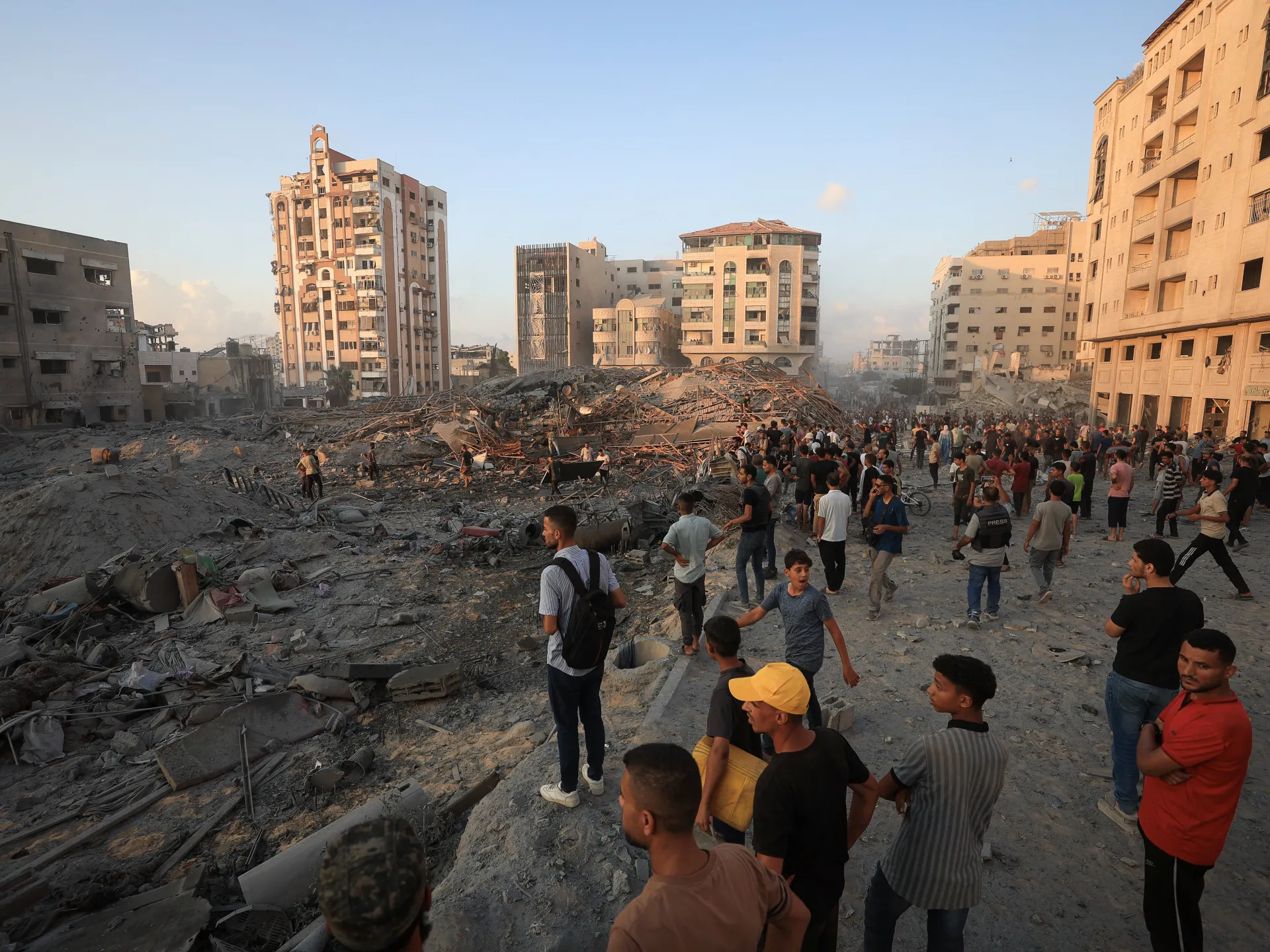
For Khaled Abu Jarrar, daily life in Gaza has become a race against time. The 58-year-old is struggling to secure urgent medical treatment abroad for his wife, who was recently diagnosed with liver cancer, while living in displacement in Gaza City.
Originally from Beit Hanoon in northern Gaza, Khaled has spent the past year and a half away from home. He believes his wife’s best chance of survival depends on being able to leave Gaza — a possibility that hinges on the reopening of the Rafah crossing, once the enclave’s main gateway to the outside world.
Rafah Crossing Remains Central to Civilian Hopes
The Rafah crossing has remained largely closed for nearly two years as Israel continued its military campaign in Gaza. Khaled is now looking toward Gaza’s newly announced administrative body to see whether it can bring meaningful change.
The National Committee for Gaza Management (NGAC) convened for the first time last week in Cairo. The committee, composed of Palestinian technocrats, is set to oversee Gaza’s daily affairs during the second phase of the ceasefire, which was announced last week by the United States.
Despite the announcement, Khaled remains unconvinced. Speaking to Al Jazeera, he said he fears the committee may exist in name only.
“I hope this committee has real authority, not just promises,” he said. “Otherwise, it will fail like many efforts before it.”
Ceasefire Overshadowed by Continued Violence
Scepticism among Gaza residents has grown as Israeli attacks have continued despite the ceasefire, with more than 400 Palestinians reportedly killed since it took effect. Israeli authorities have also moved to restrict the work of international humanitarian organisations, limiting access to medical care and food aid.
“On television, they talk about withdrawals and rebuilding,” Khaled said. “But on the ground, shelling continues from the north and the south, and nothing feels simpler.”
Khaled currently shelters in a former government building in western Gaza City — one of many such structures now housing displaced families. The scene highlights the enormous challenge facing any administration tasked with governing Gaza amid ongoing destruction.
Questions Surround New Administration’s Authority
The NGAC has been presented as a politically neutral body led by Ali Shaath, a former Palestinian Authority official. However, analysts say its success depends less on its structure and more on whether it can operate under Israeli restrictions.
Political analyst Ahed Farwana said Israeli Prime Minister Benjamin Netanyahu has shown little interest in advancing the ceasefire, recently describing the second phase as “symbolic.”
“Many obligations from the first phase were never implemented,” Farwana told Al Jazeera, citing continued attacks, incomplete withdrawals, and the ongoing closure of Rafah.
Farwana argued that without sustained pressure from the United States, progress is unlikely. The partial success of the ceasefire so far, he said, was largely due to US involvement rather than Israeli cooperation.
Aid Restrictions Deepen Humanitarian Crisis
Israeli officials deny restricting aid, but humanitarian groups and Gaza residents report long delays, strict inspections, and limitations on essential goods, including construction materials. The United Nations and aid agencies have repeatedly warned that Gaza’s humanitarian situation remains catastrophic.
With Rafah still closed, Gaza relies heavily on the Kerem Shalom crossing, which remains under full Israeli control and complex security procedures.
These constraints raise serious doubts about the ability of any local authority to manage services, distribute aid, or begin reconstruction.
Displaced Families Wait for Relief
For Asmaa Manoun, a 45-year-old mother of five from Jabalia refugee camp, daily survival leaves little room to follow political developments. One of her children was killed during the war, and her husband Mohammad was injured.
The family now lives in the stairwell of a partially destroyed building, sheltered by little more than a tarpaulin.
“Most days, I don’t have electricity or internet,” Asmaa said. “We usually hear news from others around us.”
Mohammad said his hope for the new committee is simple: restore order and ensure aid reaches people in need.
“We hear many announcements, but our reality hasn’t changed,” he said. “For months, we’ve received no food parcels or tents. Chaos continues, and aid is being used as pressure.”