


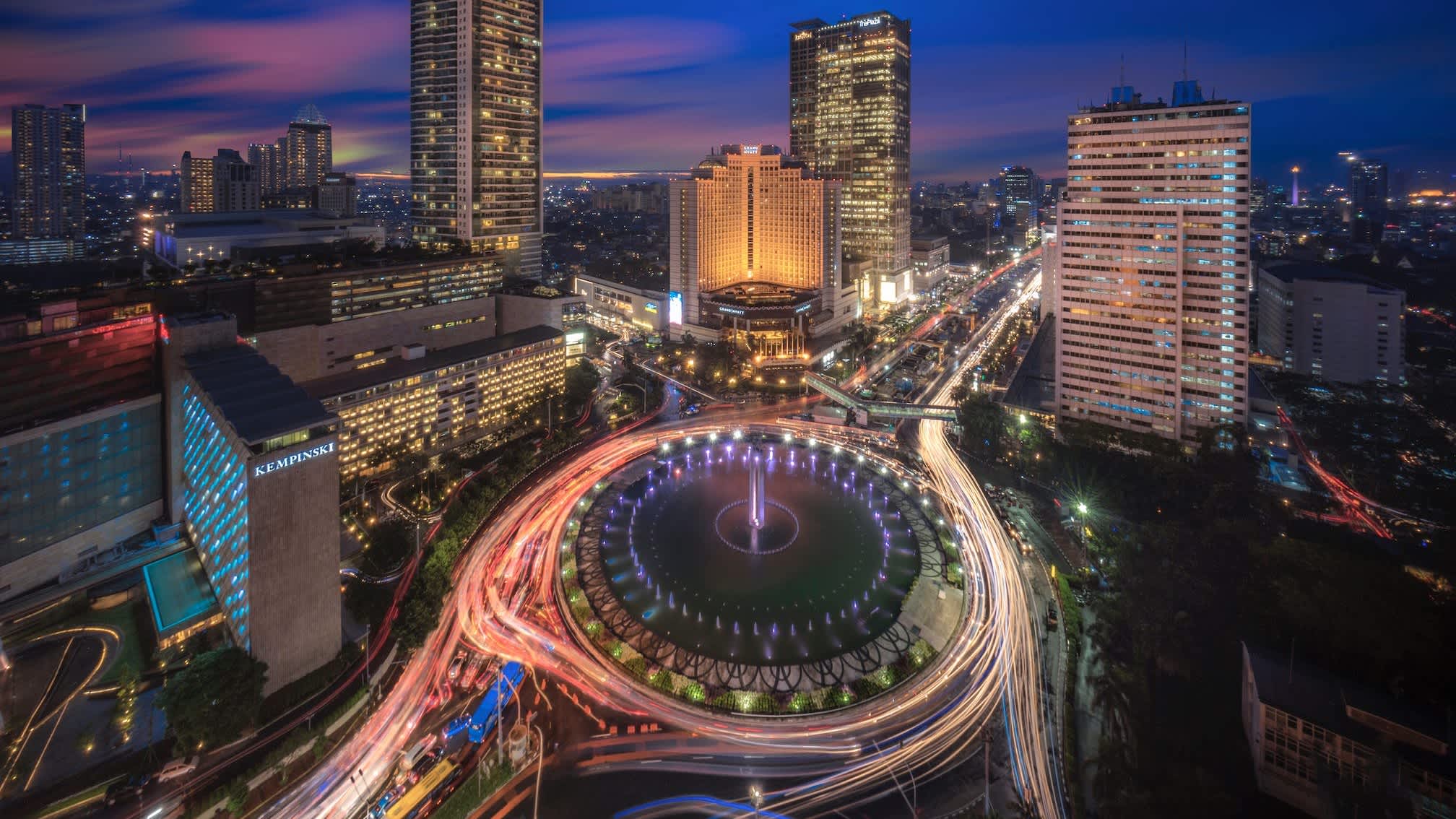
A new United Nations report shows that Jakarta, the capital of Indonesia, is now the world’s largest city with 41.9 million residents. It is followed by Dhaka, Bangladesh, which has 36.6 million people.
Jakarta, a low-lying coastal city on the western side of densely populated Java, moved up from second place and overtook Tokyo. The Japanese capital had been recognized as the world’s largest city in the UN’s previous major report published in 2000.
Tokyo’s relatively stable population of 33.4 million caused it to fall to third place, while Dhaka jumped from ninth to second due to rapid population growth. Dhaka is also projected to become the world’s biggest city by 2050.
The UN’s World Urbanization Prospects 2025 report found that the number of megacities—urban areas with over 10 million people—has grown to 33, four times the total in 1975, when only eight existed.
Asia dominates the list, hosting 19 of the 33 megacities and nine of the top 10. Besides Jakarta, Dhaka, and Tokyo, the top Asian megacities include:
-
New Delhi, India (30.2 million)
-
Shanghai, China (29.6 million)
-
Guangzhou, China (27.6 million)
-
Manila, Philippines (24.7 million)
-
Kolkata, India (22.5 million)
-
Seoul, South Korea (22.5 million)
Cairo, Egypt—with 32 million residents—is the only non-Asian city in the top 10.
In the Americas, São Paulo, Brazil, leads with 18.9 million residents. Lagos in Nigeria also continues rapid growth, making it the biggest city in sub-Saharan Africa.
Still Growing
Dhaka’s fast expansion is driven by rural migrants seeking work or fleeing environmental challenges such as flooding and rising sea levels, which have worsened due to climate change.
Jakarta faces similar threats. Experts warn that up to one-quarter of the city may be underwater by 2050.
The situation is serious enough that Indonesia is building a new capital city—Nusantara—in East Kalimantan, Borneo. However, even with the government relocating, the UN estimates Jakarta’s population will still grow by another 10 million by 2050.
Jakarta’s expanding population must also contend with issues of inequality and rising living costs. Earlier this year, thousands protested in the city over poor working conditions, especially among low-wage app-based delivery and motorcycle taxi drivers.
The UN report also highlights Tehran, Iran’s capital, which has nine million residents and is currently implementing water rationing due to severe shortages.
Updated Urban Definitions
This year’s assessment includes new measurement standards to address inconsistencies in how countries define “urban” areas. The UN clarified that most figures represent individual cities, not merged metropolitan regions—except in limited cases.
Under the updated definition, a city is described as a “contiguous agglomeration” of one-kilometer grid cells with a density of at least 1,500 people per square kilometer and a minimum total population of 50,000.