


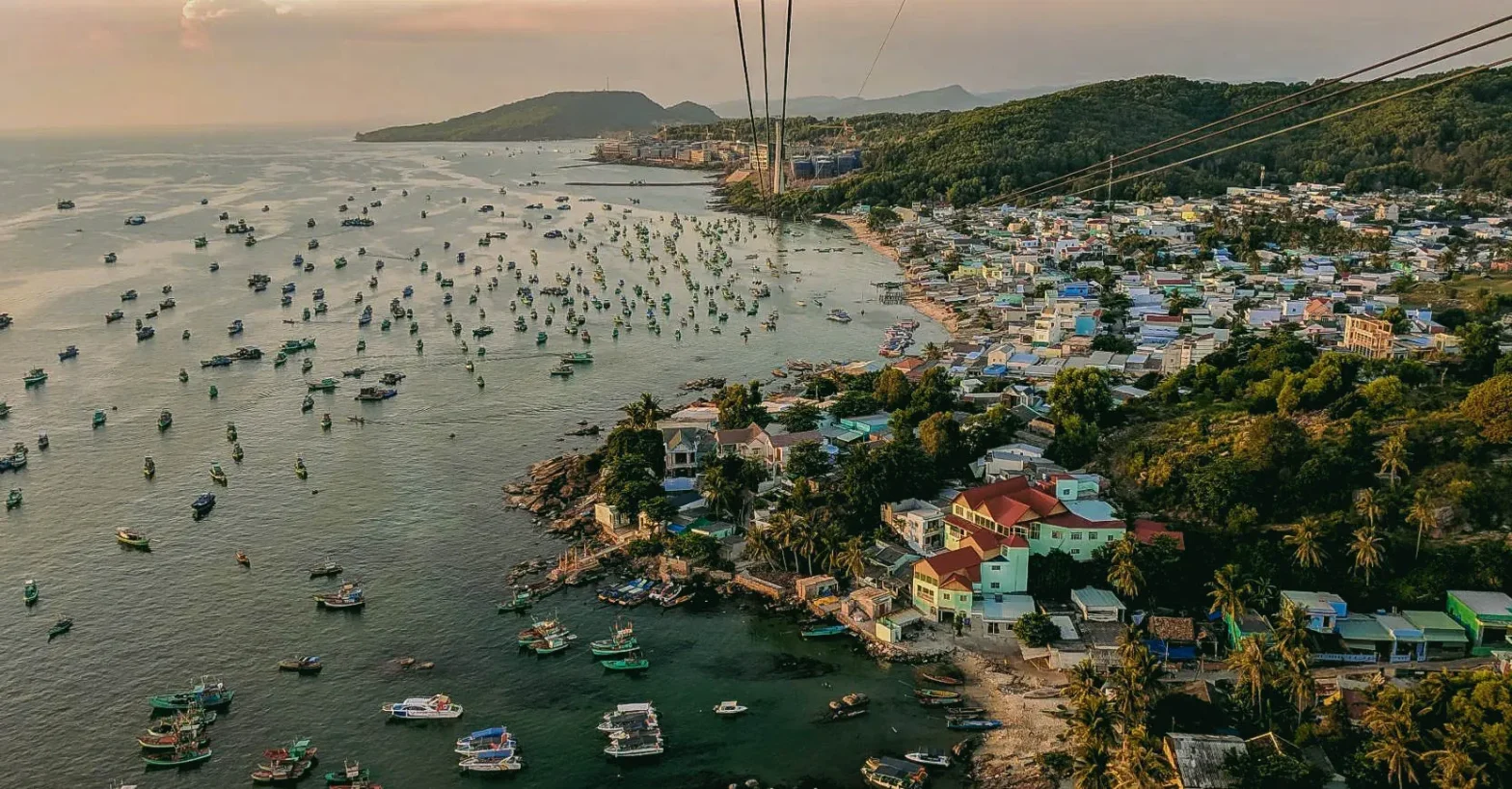
Vietnam’s Pearl Island, better known as Phu Quoc, is rapidly establishing itself as one of Southeast Asia’s most promising travel destinations. Once considered a quiet tropical escape, the island is now drawing worldwide attention through record-setting entertainment, large-scale infrastructure investment, and a tourism breakthrough years in the making.
Located off Vietnam’s southwestern coast, Phu Quoc blends white-sand beaches and dense tropical forests across an island where national parkland and resort developments exist side by side. Yet it is not only the scenery that is driving interest. A series of bold initiatives has repositioned the island on the global tourism map.
Fireworks Become a Symbol of Ambition
Since January 2024, Phu Quoc has hosted nightly fireworks displays without interruption, launching more than 380,000 shells across over 750 consecutive evenings. The ongoing spectacle, combined with the multimedia performance Kiss of the Sea, represents one of the most sustained fireworks programs anywhere in the world.

More than entertainment, the nightly displays have become a visual statement of intent. Officials and tourism operators view them as part of a wider effort to restore international confidence, rebuild visitor momentum, and redefine what a tropical destination can offer after dark.
An Island Where Nightlife Takes Centre Stage
Phu Quoc’s southern coast has evolved into a hub of evening activity, anchored by large-scale developments that place nightlife at the heart of the visitor experience. Sunset Town, designed with Mediterranean-inspired architecture, offers panoramic waterfront views and landmarks such as the Kiss Bridge, Dragon Ladder, and Arc de Triomphe, all popular attractions for daytime photography and nighttime strolls.
The area stands out globally for hosting fireworks shows twice nightly, alongside large productions including Kiss of the Sea and Symphony of the Sea Season 2. Nearby, VUI-Fest Bazaar provides a bustling night market atmosphere, featuring a mix of Vietnamese, Japanese, and European cuisine, as well as Vietnam’s only Maison Kayser bakery overlooking the ocean.
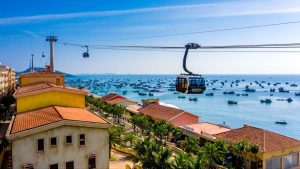
An eight-kilometre cable car — the longest three-wire system in the world — links this entertainment zone to Hon Thom Island, further expanding the island’s attractions.
Hon Thom Delivers High-Energy Experiences
At Hon Thom, visitors encounter a full day of adventure-oriented attractions. Aquatopia Water Park, regarded as one of Southeast Asia’s leading water parks, offers a wide selection of slides and rides. Dining options include the Mango Buffet, which serves a diverse range of international cuisines.
The island also features Exotica Village, a tropical theme park housing Vietnam’s only wooden roller coaster, the Angry Wooden Snake, alongside additional thrill rides. With continuous expansion underway, repeat visits reveal new attractions, ensuring the experience remains fresh.
Tourism Growth Driven by Discovery
Unlike more established island destinations such as Phuket or Bali, Phu Quoc retains a strong sense of discovery. This emerging appeal has translated into tangible growth. International arrivals rose by nearly 66 percent year-on-year during the first nine months of 2025, while hotel occupancy rates reached high levels during peak travel periods.
Global recognition has followed. In recent years, Phu Quoc has been named the world’s leading nature island destination, ranked among the world’s most beautiful islands by international readers, and recognised by major travel publications as Asia’s best island and a top emerging destination.
The island also reached a historic milestone when Vietnam welcomed its 20-millionth international visitor of 2025 at Phu Quoc International Airport — the first time such a figure has been recorded in the country’s tourism history.
Infrastructure Signals Long-Term Vision
Beyond tourism numbers, extensive infrastructure investment is reshaping Phu Quoc’s future. A major expansion of Phu Quoc International Airport, valued at more than USD 1 billion, is expected to increase capacity to 18 million passengers annually by 2027, with long-term plans to reach 50 million by 2050.
New aviation initiatives aim to strengthen direct international connectivity, positioning the island as a regional hub. Further cementing its status, Phu Quoc is set to host the 2027 APEC summit, prompting the development of new convention facilities and urban transport systems that will support both business and leisure travel.
A Destination at a Turning Point
With natural beauty, aggressive development, and growing international recognition converging, Phu Quoc is entering a defining phase. The island now stands at the crossroads of leisure, entertainment, and strategic investment, placing it firmly among Southeast Asia’s most closely watched destinations.