


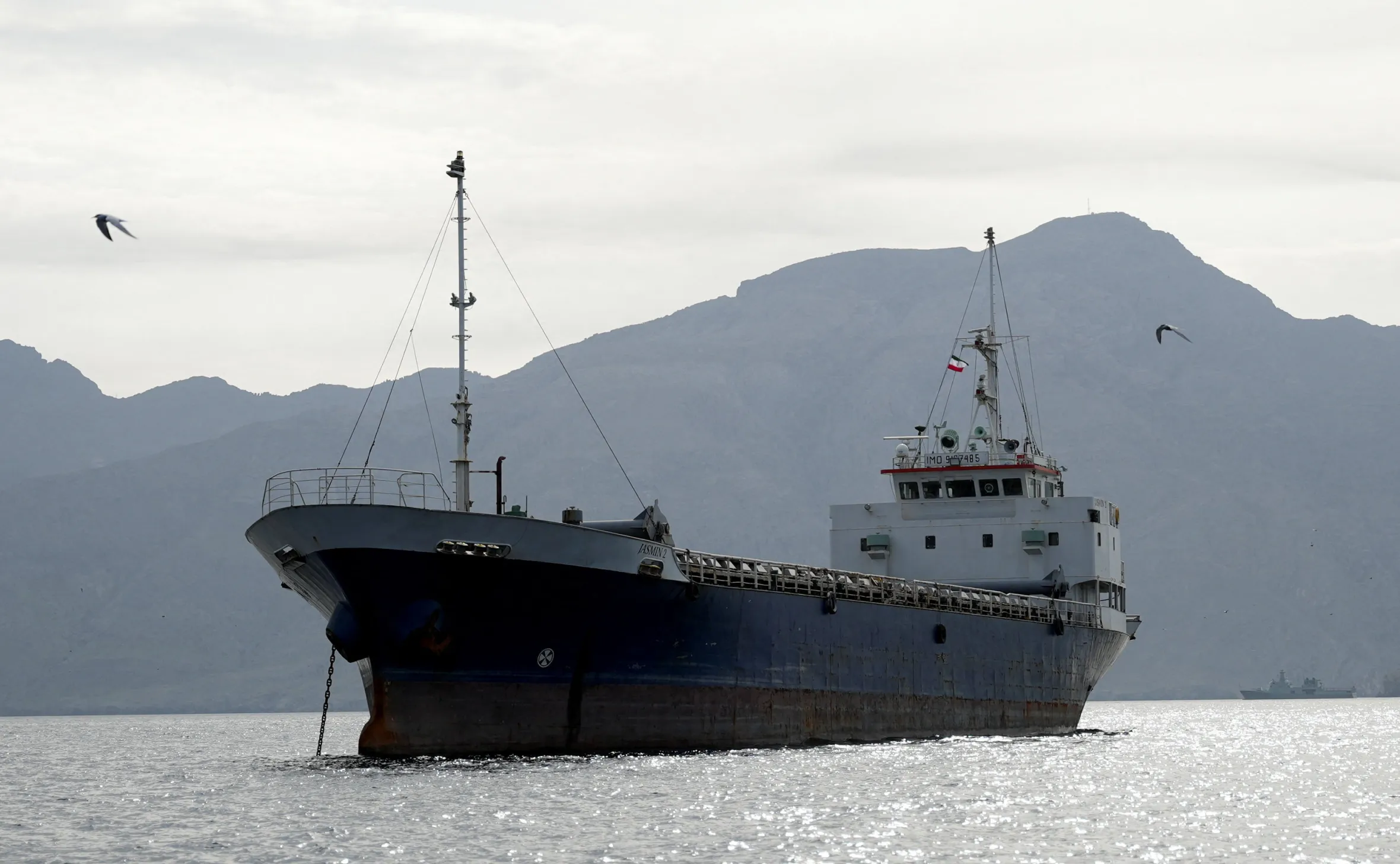
The United States military has announced that it will begin blockading all Iran ports on Monday, marking a sharp new escalation in pressure on Tehran after extended peace talks in Pakistan ended without an agreement.
In a statement issued on Sunday evening, US Central Command said the blockade would take effect at 10am Eastern Time on April 13 and would apply to all maritime traffic entering and leaving Iranian ports. The order covers vessels from all countries travelling to or from Iranian coastal areas, including ports along the Gulf and the Gulf of Oman.
Even so, the US military said it would not interfere with freedom of navigation for ships travelling through the Strait of Hormuz to non-Iranian ports. That detail appeared to signal a narrower approach than earlier remarks from President Donald Trump, who had threatened a broader blockade that could affect all shipping through the strategic waterway.
The difference in messaging has already raised fresh questions in Washington. While Trump had suggested a much wider crackdown, CENTCOM’s statement pointed to a more limited operation focused only on vessels connected to Iranian ports. That gap has added to confusion over the exact scale of the US move and how it will be enforced.
Oil Prices Jump as Markets React to New Threat
The announcement triggered an immediate reaction in global energy markets. US crude oil rose 8 percent to $104.24 a barrel, while Brent crude, the international benchmark, climbed 7 percent to $102.29.
The sharp increase reflects the central role of the Strait of Hormuz in the global energy system. Around one-fifth of the world’s oil and liquefied natural gas normally passes through the narrow passage, making any military or political disruption there a major concern for governments and traders alike.
Since the United States and Israel launched war against Iran on February 28, traffic through the strait has been severely reduced. Movement has slowed to nearly a standstill, putting pressure on global supply chains and increasing fears of further economic disruption.
According to the report, Iran has effectively maintained control over the strait during the conflict. It has continued moving its own vessels through the area while allowing limited passage for ships from other countries. Iranian officials have also discussed the possibility of creating a toll system for vessels after the fighting ends.
Failed Pakistan Talks Add to Tensions
The US move appears to have been driven in part by the collapse of negotiations in Islamabad, where marathon peace talks ended without a breakthrough. The failure of those discussions has increased fears that the conflict could move back into a more dangerous phase.
Iranian officials blamed Washington for the lack of progress. Foreign Minister Abbas Araghchi said US negotiators shifted their position at a critical moment and blocked a final agreement when a memorandum of understanding was close to being completed.
That accusation has deepened the sense of mistrust already surrounding the diplomatic process. Instead of bringing calm, the end of the talks now seems to have opened the door to more military and economic confrontation.
The US-declared blockade also risks colliding with an existing ceasefire arrangement between Washington and Tehran, which is supposed to remain in place until April 22. That has raised further uncertainty over whether the new action is compatible with the terms of that pause, or whether it could trigger a direct response from Iran.
Iran Warns of Serious Consequences
Iran responded strongly to the US announcement. In a statement, the Islamic Revolutionary Guard Corps said any military vessels approaching under the blockade would be violating the US-Iran ceasefire and would be dealt with severely.
The warning suggests Tehran may view the blockade not as economic pressure, but as a direct military provocation. That interpretation raises the risk of confrontation at sea, especially if US forces attempt to stop or redirect ships linked to Iranian ports.
Iranian academic Zohreh Kharazmi, an associate professor at the University of Tehran, said the United States is in no position to dictate how Iran should act or decide which ships may move through the region. She argued that if the standoff becomes a test of endurance between Iran and global markets, the consequences could spread far beyond the battlefield.
Kharazmi also said Iran is prepared for a prolonged war and dismissed the idea that Washington could control the situation through dramatic power plays. Her comments reflected a broader message from Tehran that pressure alone will not force the country to back down.
A New Flashpoint Emerges in an Already Volatile Conflict
The US decision to blockade Iranian ports now threatens to open a dangerous new chapter in the conflict. By focusing on Iranian maritime access while stopping short of fully shutting the Strait of Hormuz, Washington appears to be trying to tighten pressure without crossing into an even wider international crisis.
But the mixed signals from US officials, the failure of peace talks, the jump in oil prices and Iran’s warning of a severe response all point to the same reality: the situation remains highly unstable.
What began as an effort to pressure Tehran after unsuccessful diplomacy is now risking a broader confrontation with serious military and economic consequences. With global energy flows already under strain and the ceasefire under question, Monday’s blockade could become a defining moment in the next phase of the conflict.