


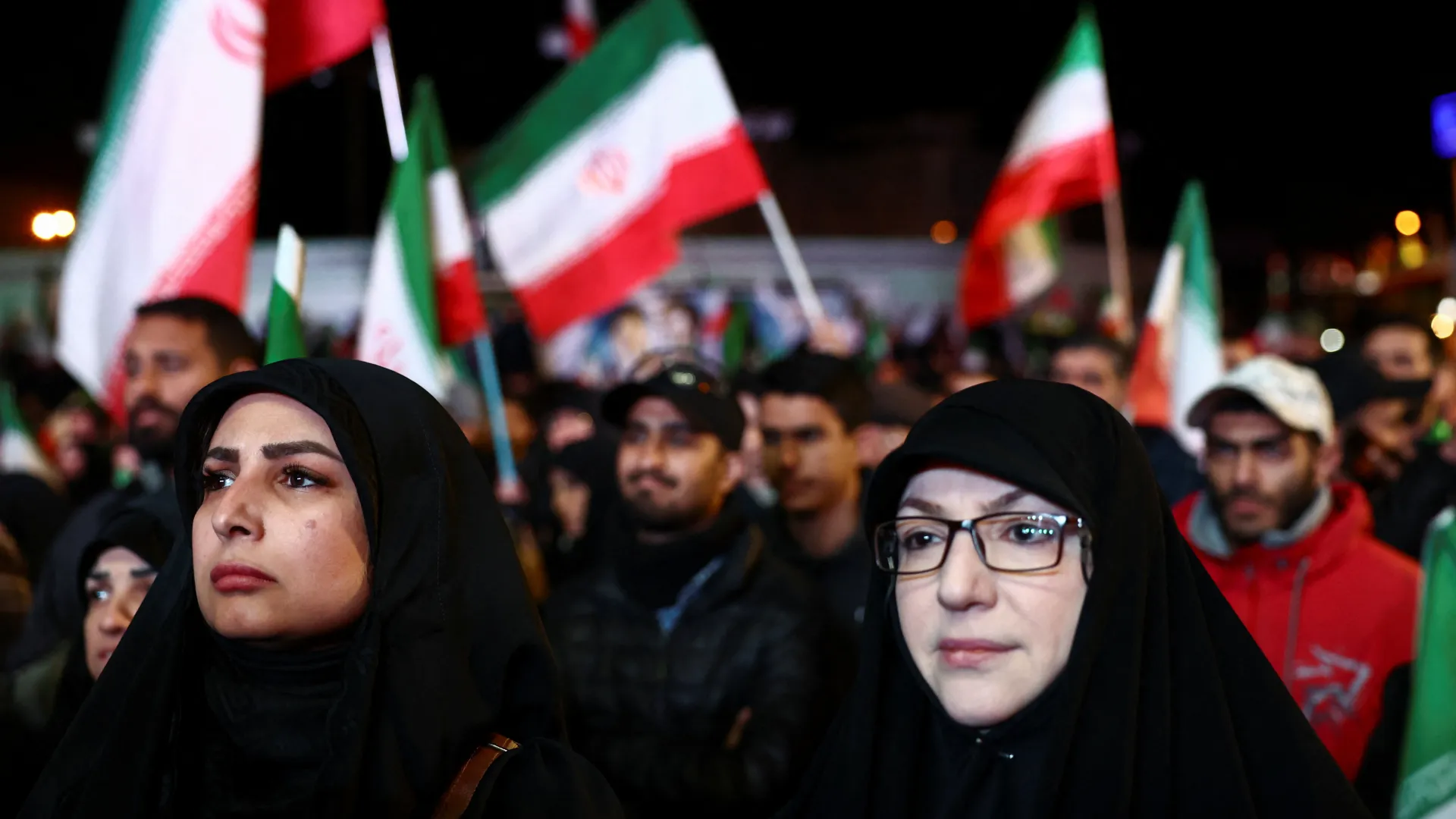
A two-week ceasefire between the United States and Iran has brought a temporary halt to 40 days of US-Israeli attacks on Iran, easing immediate fears of a broader regional war but leaving many of the core disputes unresolved.
The truce was brokered by Pakistan after weeks of air raids, missile exchanges and escalating threats that also disrupted shipping through the Strait of Hormuz and pushed global energy prices sharply higher. Pakistani Prime Minister Shehbaz Sharif announced the halt in hostilities by saying both sides had shown wisdom and remained engaged in the cause of peace and stability.
Iran has confirmed that shipping through the Strait of Hormuz will resume during the two-week period, helping calm pressure on global oil and gas markets. Israel has also said it will suspend attacks on Iran, although questions remain over whether the deal applies more broadly across the region.
Still, the ceasefire appears fragile. Iran, the United Arab Emirates and Kuwait all reported attacks just hours after the truce began, raising doubts over implementation. Analysts also say the exact scope of the agreement remains unclear, including whether it covers Lebanon. According to the source text, Pakistan says it does, while Israel says it does not.
What the United States Has Agreed To
Under the ceasefire terms, Washington has agreed to stop military strikes on Iran for an initial period of two weeks. The US says its main military aims have already been achieved and that Iran has accepted the immediate and safe reopening of the Strait of Hormuz.
President Donald Trump also said the US had received a 10-point proposal from Iran that could form the basis for further negotiations. Although the full plan has not been officially published, reporting cited in the source text says it includes a US commitment to non-aggression, recognition of Iran’s nuclear enrichment programme, the lifting of sanctions, the release of frozen Iranian assets, compensation for war damage, withdrawal of US combat forces from regional bases and a binding United Nations Security Council resolution formalising the arrangement.
At the same time, Trump has continued to signal a tougher line on some issues. He said Iran’s uranium stockpile would be addressed in any final agreement and later hardened his position further by saying there would be no uranium enrichment, though talks on tariffs and sanctions relief could continue. The US has also made clear that its forces are ready to resume attacks if ordered.
Notably, Washington has not publicly addressed several major issues included in the reported Iranian plan, such as sanctions removal, release of assets, Iran’s control over Hormuz or a full US troop withdrawal from the region. There has also been no US public mention of any concession on Iran’s ballistic missile programme, which Tehran says is not open for negotiation.
What Iran Has Agreed To
Iran has accepted the ceasefire on the condition that attacks by the US and Israel stop. In return, it has agreed to pause its retaliatory strikes during the two-week period. Iranian Foreign Minister Abbas Araghchi said Iran’s armed forces would stop defensive operations if attacks on the country were halted.
Iran also confirmed that ships would be allowed safe passage through the Strait of Hormuz for 14 days, with movements coordinated through Iranian armed forces. According to reporting cited in the source text, the plan could also allow Iran and Oman to collect transit fees from ships using the strait, with the Iranian share intended to support reconstruction.
Analysts quoted in the source say Tehran believes it now holds a stronger bargaining position than it did before the war began. One view presented is that Iran has shown a greater ability to absorb pain than Washington expected, which may make it less willing to compromise on key issues such as uranium enrichment.
What Israel Has Agreed To
Israel has endorsed the ceasefire with Iran, but Prime Minister Benjamin Netanyahu has made clear that the deal does not, in Israel’s view, extend to fighting with Hezbollah or to Israel’s military operations in southern Lebanon. That position directly conflicts with Pakistan’s claim that the ceasefire includes a halt to Israeli attacks on Lebanon as well.
Indeed, even after the ceasefire announcement, Israeli forces reportedly continued strikes in Lebanon and issued a new evacuation threat for a building near Tyre. Analysts cited in the article warn that the biggest threat to any wider ceasefire may still be Israel’s willingness to keep the terms ambiguous and return to military action when it sees an advantage.
What Comes Next
The next major step is expected to take place in Islamabad, where US and Iranian officials are due to meet under Pakistani mediation. Pakistan has formally invited both delegations for talks aimed at reaching a more comprehensive settlement.
Whether those talks succeed remains uncertain. Analysts cited in the article say the new diplomatic track could still fail, but the situation has changed. One argument presented is that the war has weakened the credibility of US military pressure and made it harder for Washington to dictate terms alone. In that view, any lasting agreement will require genuine compromise rather than unilateral demands.
For now, the ceasefire has created a brief opening for diplomacy. But with disagreements still deep over sanctions, enrichment, regional fighting and military presence, the coming negotiations will determine whether this is the start of a broader settlement or only a short pause before more conflict.