


The US economy expanded more strongly than anticipated in the third quarter, supported by solid consumer spending, though signs are emerging that growth has since lost momentum as living costs rise and the effects of a prolonged government shutdown set in.
According to an initial estimate released Tuesday by the Commerce Department’s Bureau of Economic Analysis, gross domestic product grew at an annualized rate of 4.3% in the third quarter. This marked an acceleration from the 3.8% growth recorded in the previous quarter and exceeded economists’ expectations of around 3.3%, based on a Reuters survey.
The release of the data was delayed by a 43-day federal government shutdown, meaning the figures no longer fully reflect current economic conditions. Consumer spending, a key driver of growth, rose at a 3.5% annual rate during the quarter, up from 2.5% in the second quarter.
Much of that increase was linked to a surge in purchases of electric vehicles ahead of the September 30 expiration of certain tax incentives. After those credits expired, auto sales weakened in October and November, while spending in other sectors showed uneven performance.
The nonpartisan Congressional Budget Office has estimated that the government shutdown could reduce fourth-quarter GDP growth by between 1.0 and 2.0 percentage points. While most of the lost output is expected to be recovered, the agency projects a permanent loss of between $7 billion and $14 billion.

Higher-Income Consumers Drive Spending
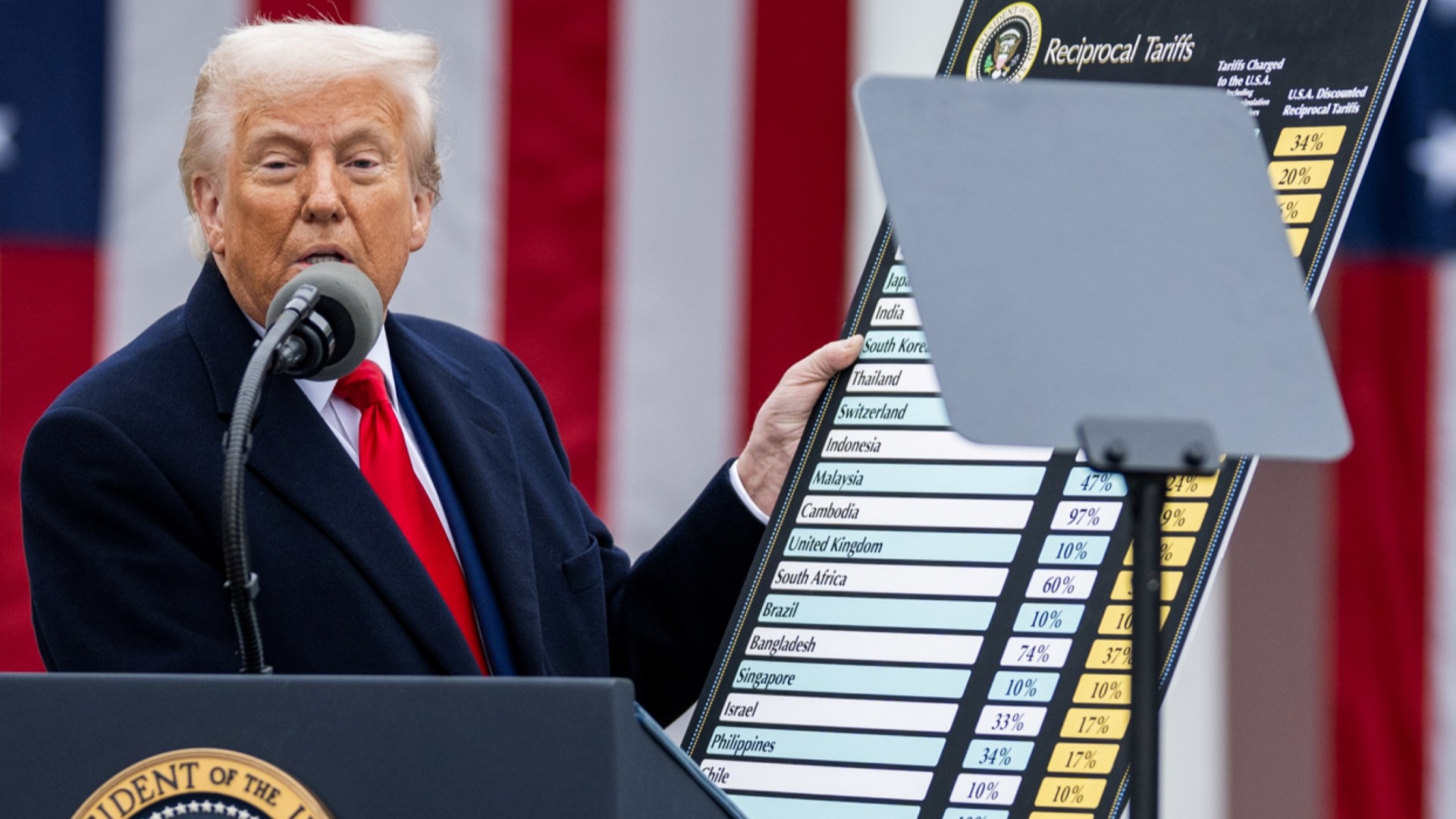
Recent surveys indicate that spending strength is being carried largely by higher-income households, which have benefited from rising stock markets and increased household wealth. By contrast, middle- and lower-income consumers are facing greater financial strain as everyday expenses climb, partly due to higher import costs linked to President Donald Trump’s broad tariff policies. Economists describe this growing divide as a K-shaped economy, where financial outcomes differ sharply across income groups.
A similar pattern is evident in the business sector. Large corporations have generally been better positioned to absorb higher costs stemming from tariffs and continue to invest heavily in technologies such as artificial intelligence. Smaller businesses, however, have struggled to cope with rising expenses and thinner profit margins.
Economists say these pressures are contributing to what they describe as an affordability crisis, which has weighed on public sentiment toward the administration. Households are also confronting rising utility bills as expanding AI and cloud-computing data centers drive up electricity demand. Looking ahead, some families may face sharply higher health insurance premiums beginning in 2026.
Earlier this month, the Federal Reserve lowered its benchmark interest rate by 25 basis points to a range of 3.50% to 3.75%. However, policymakers signaled that further rate cuts are unlikely in the near term, citing uncertainty around inflation trends and the direction of the labor market.