


The UK government has introduced visa limits for citizens of the Democratic Republic of the Congo (DRC), citing what it calls a breakdown in cooperation over migrant return procedures.
The Home Office confirmed late Saturday that DRC officials did not meet the UK’s expectations for helping return nationals who lack legal residency status or are involved in criminal cases. As a result, the UK has removed priority visa pathways, including accelerated processing and special access previously available to senior officials and influential figures.
Angola and Namibia, meanwhile, have formally agreed to expand coordination with the UK to support the return of their citizens. Officials did not confirm operational details, but the agreements indicate willingness from both governments to move forward under the UK’s updated migration framework.
A Policy Shift Under New Immigration Rules
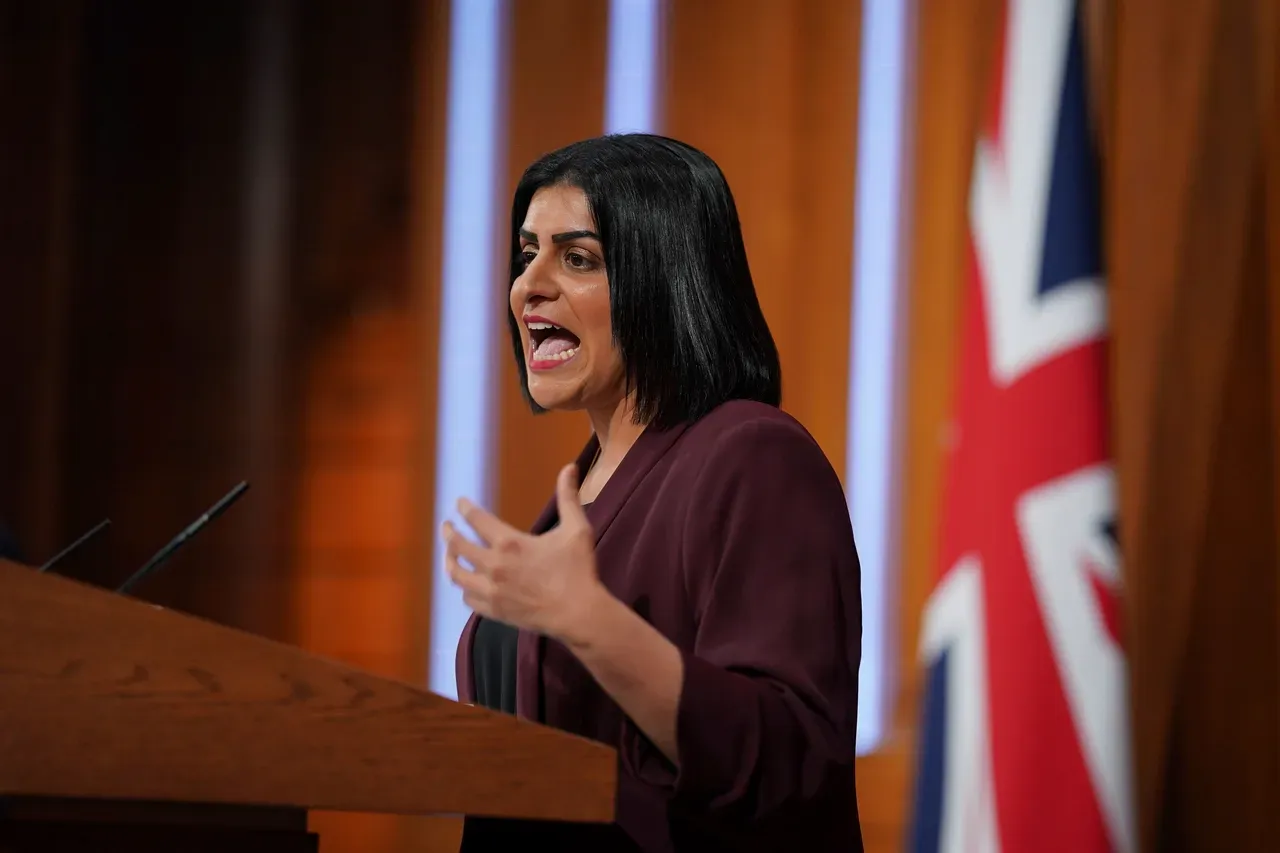
The visa changes follow migration reforms unveiled last month by Home Secretary Shabana Mahmood, aimed at tightening asylum regulations, shortening deportation timelines for undocumented arrivals, and replacing permanent refugee status with a renewable temporary system.
Mahmood said the UK could further increase pressure on the DRC, including a wider visa freeze, unless cooperation improves quickly.
“If someone has no legal basis to stay here, their home country must take them back,” she said. “We’re setting the rules clearly, and we expect them to be followed.”
Mahmood thanked Angola and Namibia for aligning with the policy and urged the DRC to respond constructively. No statements have been released yet by the three African governments regarding the announcement.
Rising Migration, Divided Reactions
More than 39,000 people have entered the UK this year via small boats crossing the Channel. While higher than total arrivals in 2024, the number remains below the peak recorded in 2022.
Mahmood previously told lawmakers that the reforms were modeled in part on Northern European systems designed to reduce unsafe sea crossings. Under the policy:
-
Refugee status will be issued temporarily and reviewed every 30 months
-
Permanent residency applications will only be allowed after 20 years
-
Deportation appeals citing the ECHR will face new legal limits
Mahmood has said the goal is to stabilize the border system while reducing long-term uncertainty around removals and returns.

Domestic and International Criticism Continues
The policy has triggered significant debate. Advocacy groups and former political leaders criticized the changes as damaging to refugee protections and unlikely to reduce crossings.
Several voices weighed in this weekend:
-
Refugee Council leaders urged the government to rethink the policy, saying refugees should have pathways to long-term stability
-
Former UK foreign policy advisers called the approach “a break from past commitments”
-
UK lawmakers and political figures also expressed concern, saying the policy may unintentionally strengthen anti-migrant narratives rather than solve structural issues
Despite criticism, the government says it has already increased migrant removals, reporting 50,000+ returns completed since July 2024, a rise compared to previous years.
Migration Trends Still Changing Fast
Net migration previously peaked at 906,000 (June 2023) before dropping to 431,000 in 2024, following stricter immigration rules.
Home Office data also shows that total asylum applications reached about 111,000 (June 2025), the highest on record, though approval rates for first-stage claims have decreased compared to 2023–2024.