


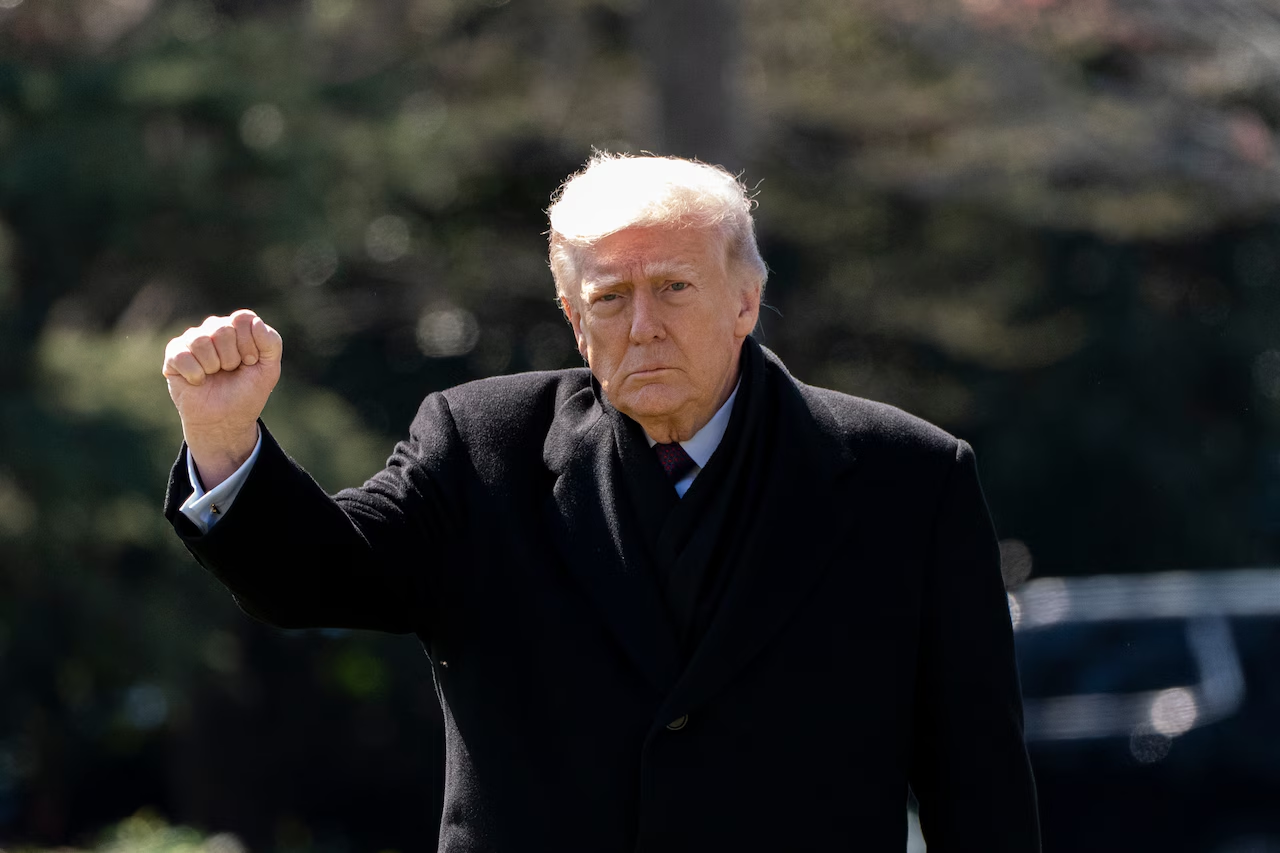
US President Donald Trump has warned that Iran must fully restore freedom of navigation in the Strait of Hormuz within 48 hours or face American attacks on its power infrastructure. The threat marks a sharp escalation in the fourth week of the US-Israeli war on Iran and comes as global energy markets remain under heavy strain.
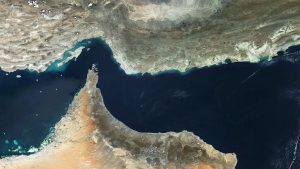
In a post published late Saturday, Trump said the United States would strike Iranian power plants if Tehran failed to reopen the vital waterway without threat. The Strait of Hormuz is one of the world’s most important shipping corridors, handling about one-fifth of global oil and gas flows during normal conditions.
Threat Comes Amid Rising Market Pressure
Trump’s warning came as his administration faces growing pressure to stabilize the route, which has seen traffic collapse since the war intensified. Oil prices have surged and stock markets have come under pressure as traders fear a prolonged disruption to energy supplies. Reuters reported that the conflict has driven major concern over inflation, shipping security, and broader economic fallout.
The tougher tone also stands in contrast to Trump’s remarks a day earlier, when he suggested the war might be nearing its goals and could begin to wind down. That shift has added to the sense of uncertainty surrounding Washington’s strategy as military action continues despite public signals about possible de-escalation.
Iran Responds With Warning of Its Own
Iran quickly pushed back after Trump’s statement. Reuters reported that Tehran said the strait remains open to international shipping except for vessels linked to countries it considers hostile, while also warning that any attack on Iran’s fuel and energy network would trigger retaliation against US energy infrastructure in the region.
Iranian officials have said passage for some ships has continued with military approval, but most commercial traffic has been badly disrupted. That has kept pressure on governments far beyond the Middle East, especially in energy-importing countries that rely heavily on Gulf exports.
US Military Says Iran’s Capabilities Have Been Hit
American military officials say recent strikes have already weakened Iran’s ability to threaten ships in the strait. Reuters reported that US attacks earlier this week hit an underground coastal site storing anti-ship cruise missiles and mobile launchers, along with radar and intelligence systems used to track vessel movement.
That has created a visible gap between military claims and Trump’s latest rhetoric. If Iran’s ability to hit shipping has already been degraded, the president’s new ultimatum suggests the White House still sees Hormuz as unresolved and politically urgent. That contradiction has become one of the defining features of the conflict’s current phase.
A New Phase in a Widening Conflict
The latest exchange shows the war moving into an even riskier stage, with energy infrastructure now more openly threatened by both sides. European leaders have already called for a halt to attacks on energy and water facilities in the region, warning that further escalation could deepen the humanitarian and economic crisis.
For now, Trump’s 48-hour deadline adds new urgency to an already unstable situation. With shipping still disrupted, oil markets tense, and both Washington and Tehran threatening energy targets, the next steps in the Hormuz standoff could have consequences far beyond the battlefield.