


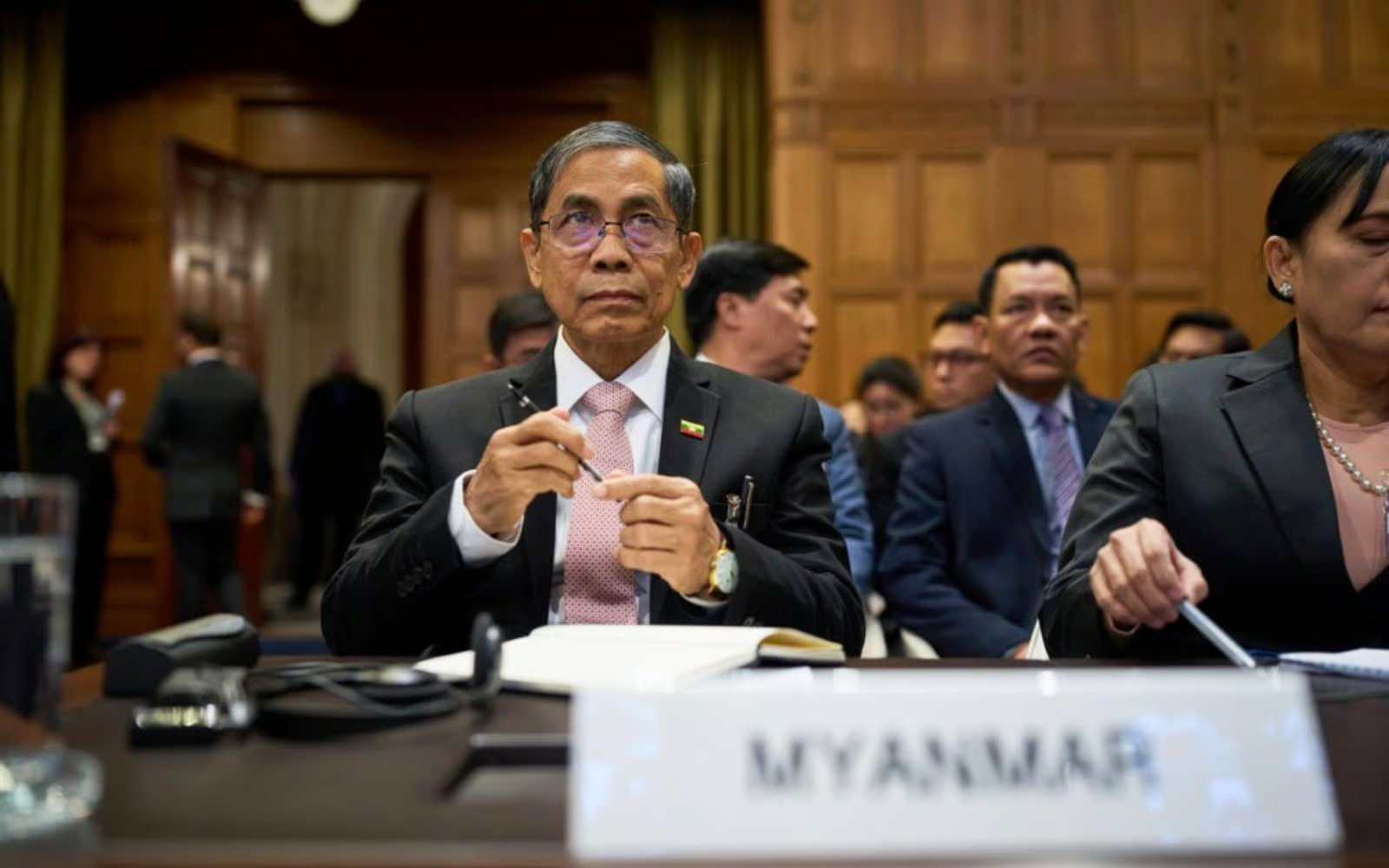
Myanmar’s Ministry of Foreign Affairs has rejected an international court case accusing the country of genocide against its mostly Muslim Rohingya minority, calling the allegations “flawed and unfounded.”
In a statement released by state media on Wednesday, the military-led government criticised the case brought before the International Court of Justice (ICJ) in The Hague by The Gambia.
“The allegations made by The Gambia are flawed and unfounded in fact and law,” the ministry said, adding that “biased reports, based on unreliable evidence, cannot substitute for truth.”
Myanmar says it is cooperating ‘in good faith’
Myanmar’s military rulers, who took power in a 2021 coup, said they are engaging with the ICJ proceedings “in good faith” as a sign of respect for international law.
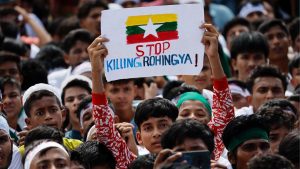
The case was filed in 2019, two years after Myanmar’s armed forces launched a sweeping security operation in Rakhine State that forced around 750,000 Rohingya to flee, mostly into neighbouring Bangladesh.
Survivors of the operation have described mass killings, sexual violence and widespread arson. Today, an estimated 1.17 million Rohingya are living in overcrowded refugee camps in Bangladesh’s Cox’s Bazar district.
Hearings begin as accusations laid out
On the opening day of hearings on Monday, The Gambia’s Justice Minister, Dawda Jallow, told the court that the Rohingya “have been targeted for destruction” in Myanmar.
Legal representatives for Myanmar are expected to present their response to the court on Friday. The hearings are scheduled to last three weeks.
This marks the first genocide case the ICJ has examined in full in more than a decade, a development that legal experts say could have implications beyond Myanmar, potentially influencing other international cases currently before the court.
UN findings cited, but rejected by Myanmar
United Nations officials have previously described the 2017 military crackdown as a “textbook example of ethnic cleansing.” A UN fact-finding mission concluded that the operation included acts that could amount to genocide.
Myanmar’s authorities have consistently rejected those findings, maintaining that the campaign was a legitimate counterterrorism response to attacks by Rohingya armed groups.
Notably, the foreign ministry’s statement did not refer to the Rohingya by name, instead using the phrase “persons from Rakhine state.”
Citizenship denied, verdict years away
The Rohingya are not recognised as an official ethnic minority in Myanmar and are denied citizenship, despite many families tracing their presence in the country back generations.
A final ruling in the case could take months or even years. While the ICJ has no direct enforcement power, a judgment in favour of The Gambia would likely increase international and diplomatic pressure on Myanmar.
The case unfolds as Myanmar holds phased elections that have been criticised by the United Nations, Western governments and human rights groups as neither free nor fair.