


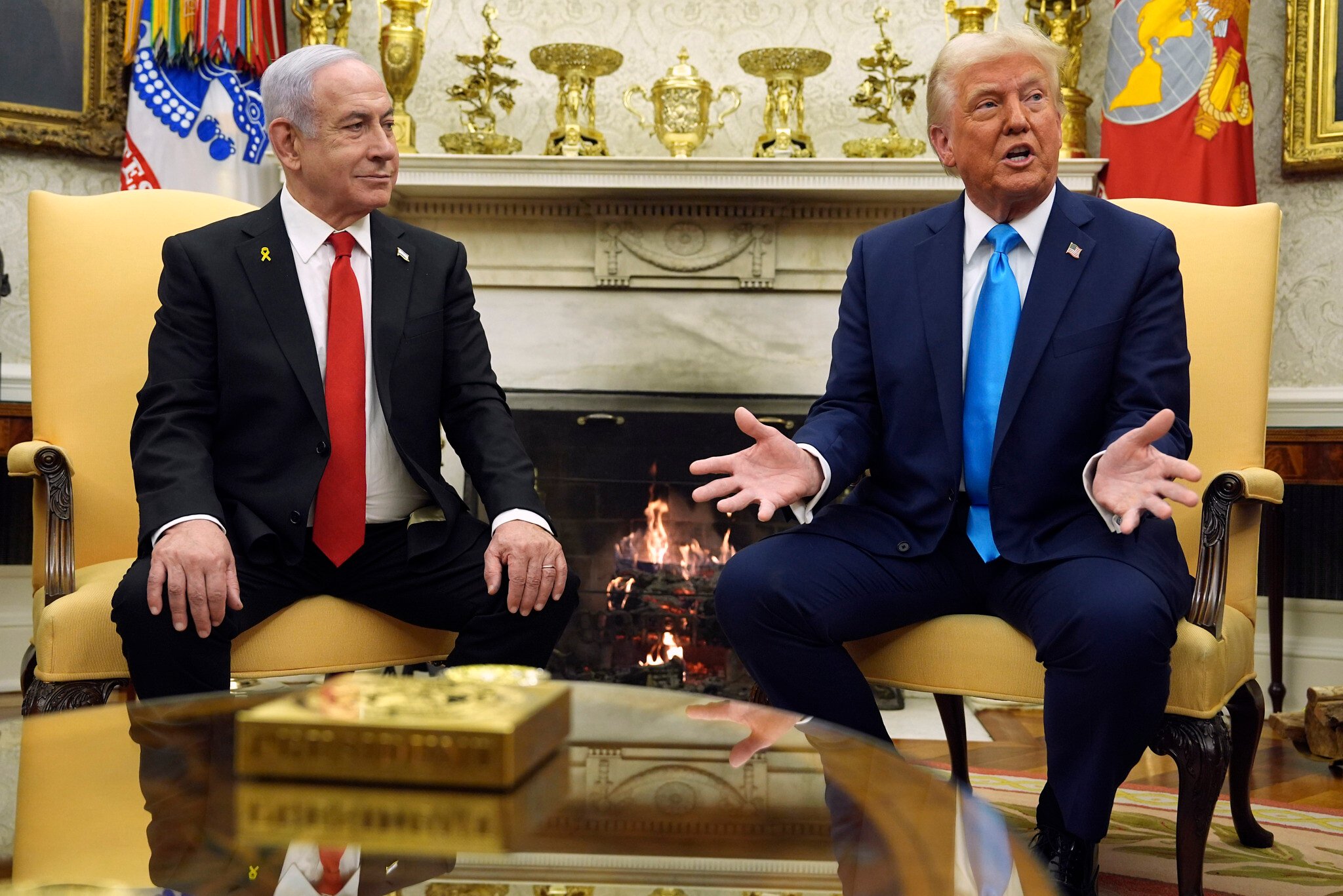
Israel is facing growing political and strategic anxiety after United States President Donald Trump announced a two-week ceasefire in the war on Iran, with critics arguing that the truce has left Israel looking weaker despite weeks of military attacks.
According to the source text, Iran remains in place, Israel’s missile defence stock has been depleted, and Prime Minister Benjamin Netanyahu is now confronting criticism at home over the political outcome of the war.
After news of the Pakistan-brokered truce emerged, Netanyahu’s office released a statement in English backing the US decision. The statement claimed Iran no longer posed a nuclear, missile or broader security threat to the United States, Israel, Arab neighbours or the wider world. But the endorsement came with an important condition: Netanyahu said he did not consider the ceasefire to include Israel’s war in Lebanon, even though Pakistan had suggested Israeli attacks on Hezbollah there would also stop.
Opposition Says Israel Lost Politically
The ceasefire quickly drew sharp criticism from Israeli opposition figures. Opposition leader Yair Lapid, who had supported Israel’s campaign against Iran, called the truce one of the greatest political disasters in Israeli history. He argued that Israel had not even been part of the negotiations and said Netanyahu had failed politically and strategically, despite military achievements on the battlefield.
Lapid said the prime minister had not met any of the war goals he himself had set and warned that the damage caused by what he described as Netanyahu’s arrogance could take years to repair.
Other critics joined in as well. Ofer Cassif of the left-wing Hadash party said he was not surprised the announcement from Netanyahu’s office had been issued in English, arguing that the prime minister was more interested in speaking to the international community and reassuring his political base than addressing the Israeli public directly.
War Aims Still Unmet
Netanyahu had framed the war around two central aims: preventing Iran from developing nuclear weapons and creating the conditions for Iranians to overthrow their government. But analysts cited in the source text say neither objective has been achieved.
Ahron Bregman of King’s College London said many Israelis were disappointed because the core aims of the war remained unfulfilled. He noted that Iran’s government is still in place, its ballistic missile programme could be rebuilt relatively quickly, and it still retains 440kg of uranium enriched to 60 percent purity, which he said would be enough for 10 bombs.
The article argues that, despite serious military damage, including the killing of Ayatollah Ali Khamenei and other senior Iranian figures, Iran may have emerged in a stronger strategic position. According to Bregman, Israel and the United States achieved tactical successes but lost strategically.
Strait of Hormuz Seen as Turning Point
A central part of that strategic shift, according to analysts quoted in the article, was Iran’s decision to shut the Strait of Hormuz, one of the world’s most important energy corridors. Under the current negotiation framework described in the source text, safe passage through the strait now appears to be effectively under the control of Iran and Oman.
Iran, which had already been under heavy sanctions after Trump withdrew from the 2018 nuclear deal, is now expected by some observers to continue levying fees on ships moving through the strait. The source text also notes that Trump has publicly signalled possible future sanctions and tariff relief as part of the ceasefire arrangement, which could further strengthen Iran’s position.
Bregman said Iran’s decision over Hormuz threw Trump off balance and may ultimately be seen by historians as the turning point in the war.
Critics Say the War Strengthened Tehran
Some observers also believe Israel’s conduct during the conflict may have had the opposite effect from what was intended. The article notes that centres of internal opposition in Iran, including Sharif University in Tehran, were hit in Israeli strikes, while Trump’s late threat to wipe out Iranian civilisation allowed Tehran to broadcast images of public solidarity around state infrastructure.
Cassif said that while he strongly opposes the Iranian government, he believed Israel and the US never had the right or the ability to bring it down. Instead, he argued, their actions strengthened support for the regime while weakening the opposition. He also said that by attacking while negotiations were still ongoing, Washington and Tel Aviv had signalled to the world that they could not be trusted.
Little to Show Beyond the Battlefield
The source text also raises questions about Israel’s continued military operations in southern and eastern Lebanon, where it says it is targeting Hezbollah positions. For now, Israel is not expected to attend the peace talks scheduled in Pakistan, but analysts suggest the future of its operations in Lebanon may ultimately be shaped there by the United States and Iran’s regional allies.
Former Israeli diplomat Alon Pinkas said that if the ceasefire holds beyond the initial two weeks, Israel will have achieved very little of lasting value. He argued that Iran succeeded in reshaping the strategic balance by hitting Gulf states and shutting the Strait of Hormuz with little resistance from major powers such as China. Pinkas added that Israel is increasingly being seen as a destabilising force and may also have strained relations with Washington after the promises Netanyahu reportedly made to Trump failed to materialise.
For now, the ceasefire may have paused the fighting, but in Israel the political argument over what the war achieved appears only to be intensifying.