


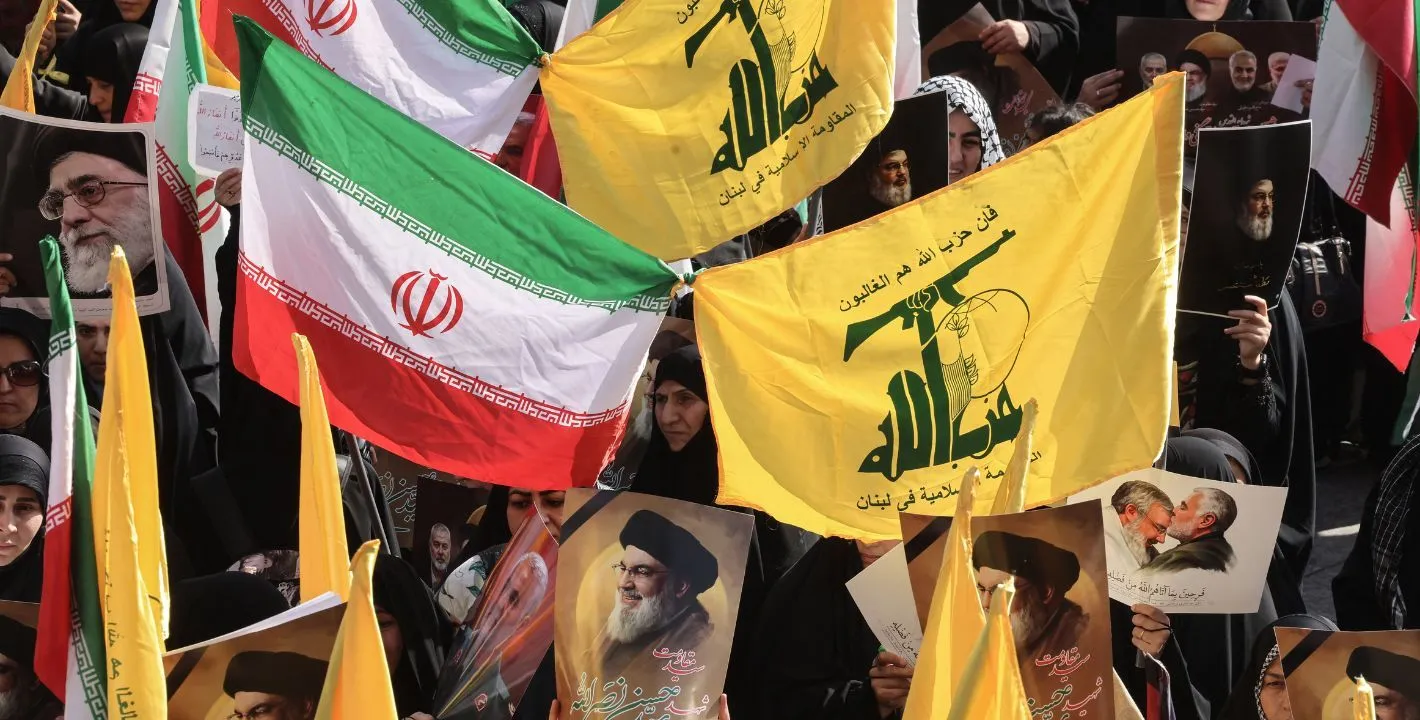
Lebanon has announced a national day of mourning after a wave of Israeli attacks killed at least 254 people and wounded more than 1,165 in just one day, marking one of the bloodiest escalations in the country in recent months. Prime Minister Nawaf Salam said his government is using all of Lebanon’s political and diplomatic tools to try to stop the ongoing assault. The attacks have deepened national grief and heightened concern across the region, especially as they came just as a ceasefire between Iran and the United States was being discussed.
The biggest point of dispute now is whether Lebanon was ever part of that truce. Israeli Prime Minister Benjamin Netanyahu said clearly that Lebanon was not included in the agreement. US Vice President JD Vance backed that position, saying Washington had never promised a ceasefire for Lebanon.
However, Pakistan’s Prime Minister Shehbaz Sharif, who helped mediate the truce alongside the country’s army chief, said the deal did include a halt in fighting in Lebanon. Iran’s Foreign Minister Abbas Araghchi also insisted the terms were clear, warning that the US could not speak of a ceasefire while allowing Israel to continue military action in Lebanon.
Iran Presses Its Conditions as Diplomacy Moves Forward
Iran has signalled that Lebanon remains central to any broader agreement aimed at ending the war. President Masoud Pezeshkian said stopping Israeli attacks on Lebanon was one of the key parts of Tehran’s 10-point plan for ending the wider Middle East conflict.
At the same time, senior Iranian officials have accused the other side of violating the proposed truce terms. Parliament Speaker Mohammad Bagher Ghalibaf said continued attacks in Lebanon, a drone entering Iranian airspace and opposition to Iran’s right to enrichment all showed that the path to negotiations remained unstable.
Adding to the uncertainty, a US official said the 10-point ceasefire proposal published by Iran does not match the framework accepted by the White House. That statement has intensified doubts over whether both sides are even talking about the same agreement.
Further negotiations are expected in Islamabad, where JD Vance will lead the US delegation. Steve Witkoff and Jared Kushner are also expected to take part, despite Iran making it clear that it has little trust in them following previous talks in Geneva.
Global Outrage Grows After Lebanon Bombing
The scale of the violence in Lebanon has triggered strong international reaction. The United Nations human rights chief and the International Committee of the Red Cross both condemned the Israeli attacks, describing the destruction and civilian toll as horrifying.
UN High Commissioner for Human Rights Volker Turk said the level of killing and devastation in Lebanon was shocking, especially so soon after a ceasefire had been announced involving Iran. His remarks reflected growing global concern that the region may be moving deeper into crisis rather than towards calm.
French President Emmanuel Macron has stepped up diplomatic outreach, speaking with leaders in the US, Iran and Iraq while urging that Lebanon be formally included in any ceasefire arrangement. He argued that this would offer the best chance for peace.
Lebanon, meanwhile, is expanding its own diplomatic push. Salam is seeking broader international support to stop Israel’s military campaign, while countries including Oman and Qatar have condemned the strikes and called them violations of international law.
Gulf Countries Face Rising Fallout
The conflict has also continued to affect countries across the Gulf. Kuwait reported serious material damage and fires at major oil facilities, power plants and desalination stations after a drone strike.
In the United Arab Emirates, three people were hurt and work at the Habshan gas complex was briefly suspended after debris from an intercepted attack caused fires. Qatar said it intercepted seven missiles and drones launched from Iran.
Saudi Arabia was also reportedly hit, including an attack on a major pipeline that bypasses the Strait of Hormuz. Bahrain also reported incoming projectiles, underscoring how quickly the fallout from the war is spreading.
These incidents have pushed Gulf states to seek urgent answers about the exact terms of the Iran-US ceasefire. The UAE has warned that any ambiguity surrounding the agreement could prolong instability instead of containing it.
Uncertainty Remains Across the Region
Inside the United States, confusion over the ceasefire is adding to the wider uncertainty. Reports from Washington indicate there is still no clear understanding of what President Donald Trump actually agreed to, particularly on the questions of Iran’s 10-point plan and whether Lebanon falls within the deal.
Vance and White House Press Secretary Karoline Leavitt have both said Lebanon is excluded. But public statements from Pakistan and Iran continue to challenge that version, leaving the real scope of the agreement in doubt.
In New York, antiwar demonstrations broke out in Times Square following the ceasefire announcement, with protesters calling for a permanent end to the US-Israel war on Iran and an immediate stop to the bombing of Lebanon.
Meanwhile, Netanyahu said Israel remains ready to return to fighting if needed, stressing that the country still has objectives to complete. In Iraq, officials also confirmed arrests over a drone attack near Erbil that killed a French military officer serving with the coalition against ISIL.
For now, the Middle East remains caught between ceasefire claims and continued military escalation. Lebanon’s mourning reflects not only the human toll of the latest strikes, but also the deep uncertainty over whether the region is truly moving towards peace.