


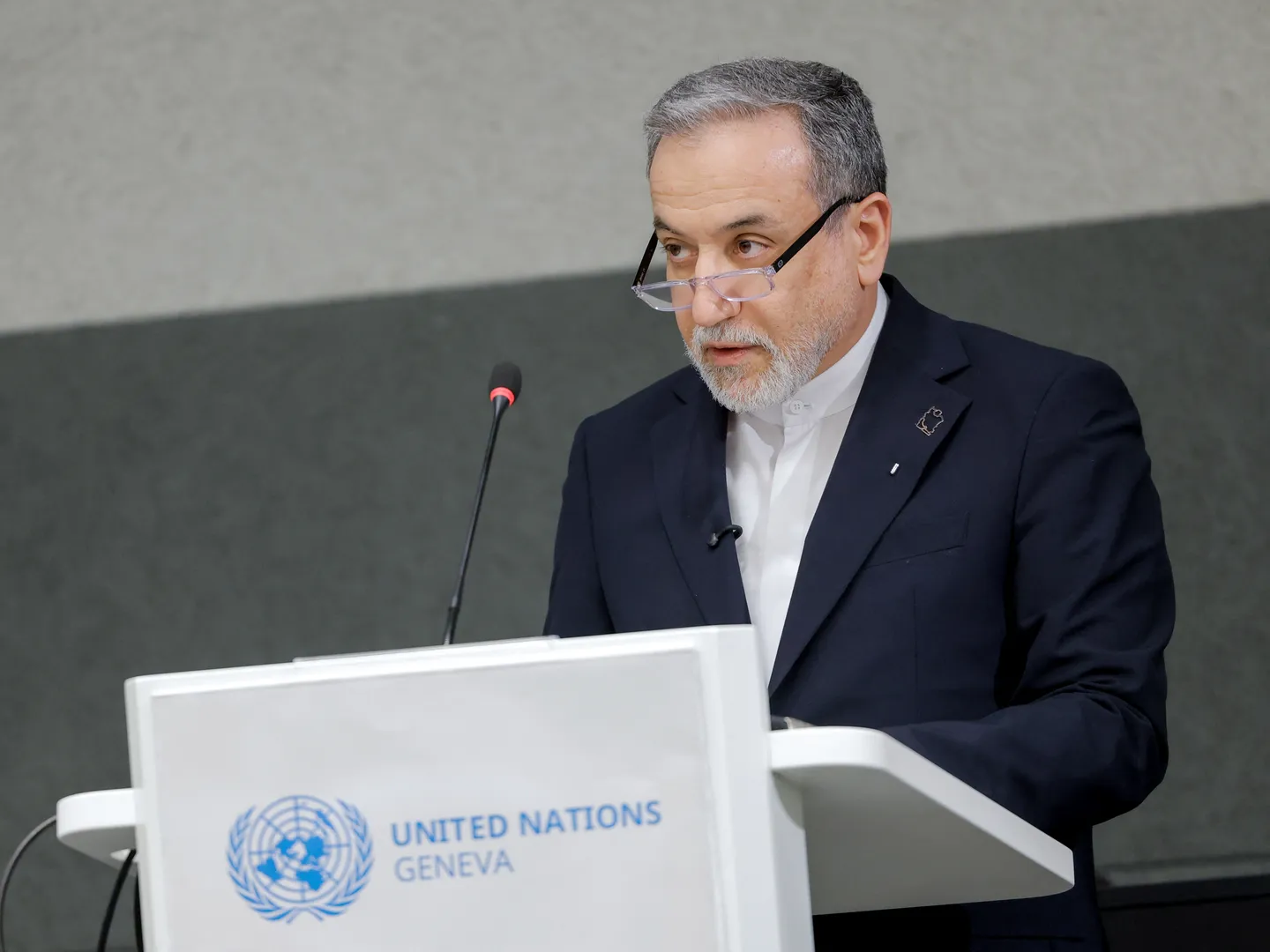
Iran Foreign Minister, Abbas Araghchi, has stated that indirect nuclear negotiations between Iran and the United States have achieved “good progress,” even as Washington reiterated that military action remains a possibility if diplomatic efforts fail.
The latest round of talks, mediated by Oman, took place in Geneva, Switzerland, on Tuesday. The discussions unfolded against a tense backdrop, with both sides increasing their military presence and signaling strength in the Gulf region.
Speaking to Iranian state television after the meeting, Araghchi said the negotiations led to a broad understanding of key principles that could shape a future agreement. He explained that both parties were able to align on a general framework that would guide the drafting of a potential deal.
According to him, the outcome of the Geneva meeting marked an improvement compared with the earlier round of talks held in Oman earlier this month. Araghchi described the atmosphere as constructive and noted that the negotiations have now established a clearer direction for future discussions. However, he acknowledged that significant differences remain and that bridging the gaps between the two sides will require time and continued dialogue.
He added that once both delegations prepare draft texts for a possible agreement, the documents will be exchanged and a date for a third round of talks will likely be set.
Meanwhile, in Washington, US Vice President JD Vance signaled that the United States still favors diplomacy, though his remarks suggested a more cautious outlook. In an interview, he said the talks had mixed results. While both sides agreed to continue engagement, he indicated that Iran has yet to fully address certain red lines set by the US administration.
Vance emphasized that diplomatic efforts would continue but noted that the US president retains the authority to determine when negotiations have reached their limit if no meaningful progress is achieved.
Key Obstacles Remain
For years, Iran has sought relief from extensive US sanctions, including restrictions that limit global purchases of its oil. Tehran has made clear that the current negotiations should primarily focus on its uranium enrichment programme and that any agreement must deliver tangible economic benefits while safeguarding national sovereignty and security.
On the other hand, Washington has insisted that Iran abandon uranium enrichment on its territory. The US has also attempted to broaden the scope of negotiations to include Iran’s missile capabilities and other non-nuclear issues.
Iran has firmly rejected the idea of zero enrichment and has stated that its missile programme is not open for negotiation, highlighting one of the major sticking points in the talks.
Military Posturing Raises Stakes
The negotiations are taking place during heightened tensions in the Gulf region. The United States has deployed two aircraft carriers to nearby waters, including the USS Abraham Lincoln, which has been positioned within striking distance of Iran’s coastline alongside advanced fighter jets. A second carrier was also dispatched over the weekend, further underscoring the strategic pressure surrounding the talks.
Iranian Supreme Leader Ayatollah Ali Khamenei responded with strong rhetoric, warning that Iran possesses the capability to target US warships if necessary. At the same time, Iran’s Islamic Revolutionary Guard Corps launched military exercises in the Strait of Hormuz, describing them as preparation for potential security threats.
Iranian state media also reported temporary security measures in parts of the Strait of Hormuz during the drills. The waterway is one of the world’s most critical oil transit routes, carrying a significant share of global crude exports. Any disruption there could have major implications for international energy markets.
Tehran has repeatedly warned that it could close the strait in response to an attack, a move that would severely impact global oil flows and drive prices higher. Iranian officials have also threatened to target US military bases in the region if hostilities escalate.
Diplomatic Context and Nuclear Debate
A previous diplomatic effort collapsed last year following surprise Israeli strikes on Iran that triggered a brief conflict involving attacks on nuclear sites in Natanz, Fordow, and Isfahan. Analysts say the damage sustained by Iran’s nuclear infrastructure could influence the current negotiations.
Experts suggest that there may still be room for compromise on nuclear-related issues, particularly given the reported setbacks to Iran’s nuclear programme. However, analysts also believe that Iran is unlikely to make major concessions on broader issues such as regional influence or missile development.
Iranian President Masoud Pezeshkian has reiterated that the country is not pursuing nuclear weapons and remains open to international verification mechanisms. He stressed, however, that Iran will not accept restrictions that prevent the peaceful use of nuclear science for industrial, agricultural, and medical purposes.
As a signatory to the Nuclear Non-Proliferation Treaty, Iran maintains that it has the right to civilian nuclear development under international law, provided it complies with oversight by the International Atomic Energy Agency.
Despite cautious optimism surrounding the Geneva talks, deep disagreements over enrichment, sanctions relief, and regional security continue to shape the fragile path of diplomacy between Tehran and Washington.