


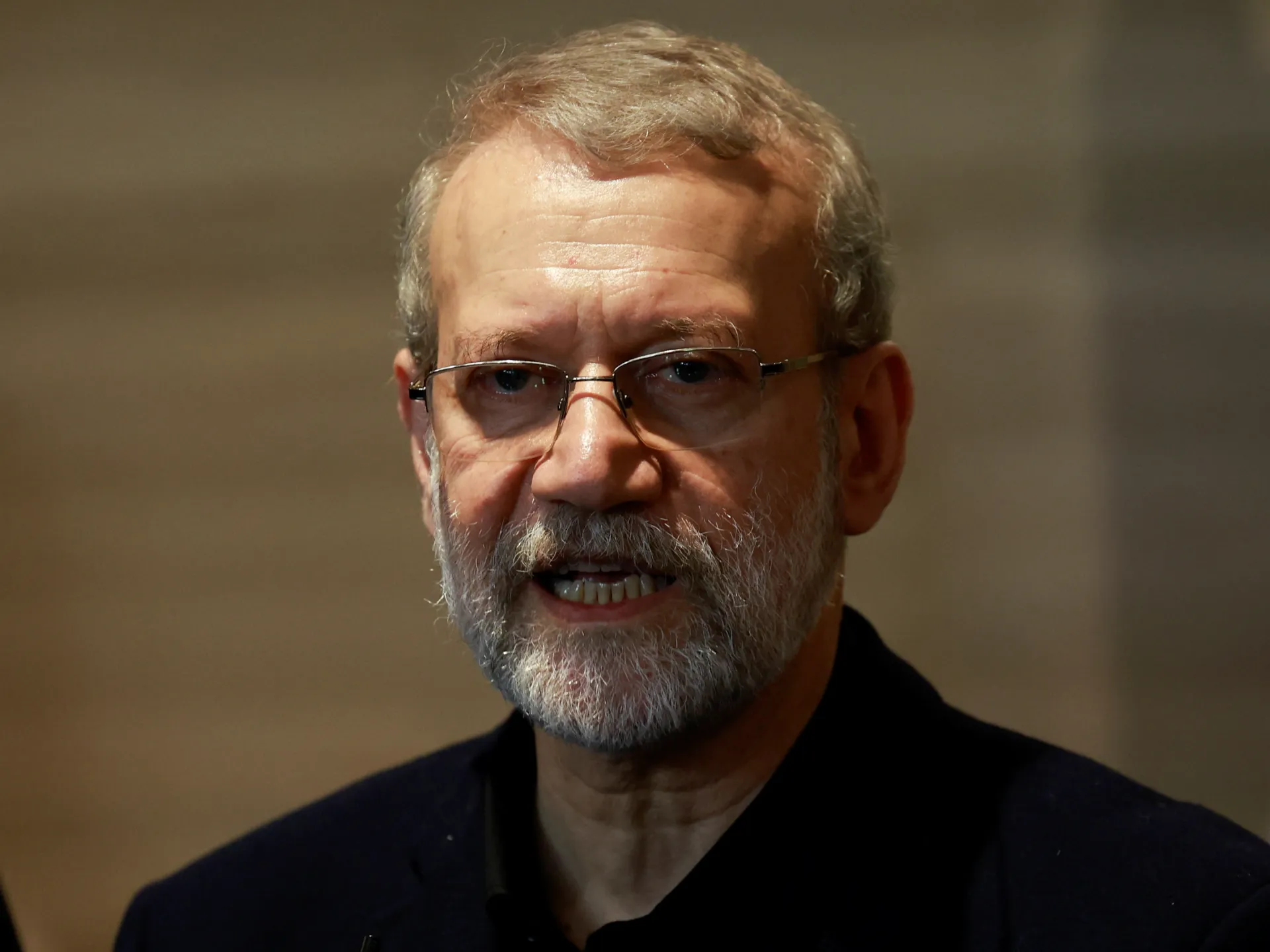
Iran top security official has accused Israel of attempting to sabotage ongoing negotiations between Tehran and Washington over Iran’s nuclear programme.
In an interview with Al Jazeera Arabic during a visit to Doha, Ali Larijani, secretary of Iran’s Supreme National Security Council, said Israel was creating pretexts to disrupt delicate talks with the United States.
“Our negotiations are exclusively with the United States,” Larijani said. “We are not in discussions with Israel. Yet Israel has inserted itself into this process with the aim of undermining it.”
He argued that Israel’s broader strategy was to destabilise the region and warned neighbouring states, including Qatar, Saudi Arabia and Turkiye, to remain alert to what he described as provocative actions.
Larijani referenced a previous Israeli strike in Doha targeting Hamas officials as evidence of what he called a wider agenda.
Talks Resume Amid Heightened Tensions
The comments come as Iran and the US pursue renewed indirect negotiations aimed at resolving disputes surrounding Tehran’s nuclear activities.
A round of talks was held in Muscat, Oman, last Friday. According to Larijani, the discussions primarily involved exchanging messages rather than formal proposals.
The negotiations are unfolding against a backdrop of increased US military deployments in the Middle East and repeated warnings from US President Donald Trump that Washington could resort to military action if a deal is not reached.
Israel’s Prime Minister Benjamin Netanyahu travelled to Washington on Wednesday for talks with Trump, presenting what he described as principles for handling negotiations with Tehran. After the meeting, Trump said no final agreement had been reached but insisted talks should continue.
Limits of the Negotiations
Larijani said Iran had not yet received a specific proposal from the United States. However, he indicated that both sides appear to prefer diplomacy over confrontation.
He stressed that discussions are strictly confined to Iran’s nuclear programme and will not extend to its ballistic missile capabilities or regional alliances — issues Israel has urged Washington to address.
“Our missile programme is a matter of national security and is separate from nuclear discussions,” Larijani said.
He also rejected the idea of reducing uranium enrichment to zero, calling such a demand unrealistic for a country that has already developed nuclear expertise. He reiterated that Iran maintains its programme is intended for peaceful civilian uses, including medical applications, and said Tehran remains open to international verification.
Warning of Possible Retaliation
Larijani cautioned that if the United States were to launch military strikes against Iran — as occurred during last year’s brief conflict — Tehran would respond by targeting US bases in the region.
During his visit to Doha, Larijani also met Muhammad Darwish, head of Hamas’s Leadership Council, along with other senior representatives, to discuss regional developments.
Diplomacy at a Critical Juncture
With talks ongoing and regional tensions elevated, both Tehran and Washington appear to be weighing the risks of escalation against the prospects of a negotiated settlement.
Iranian officials maintain that diplomacy remains possible, but they have drawn firm boundaries around what they are prepared to discuss. Meanwhile, Israel continues to voice concerns that any agreement must address broader security issues beyond uranium enrichment.
As negotiations proceed, the outcome may shape the region’s security landscape for years to come.