


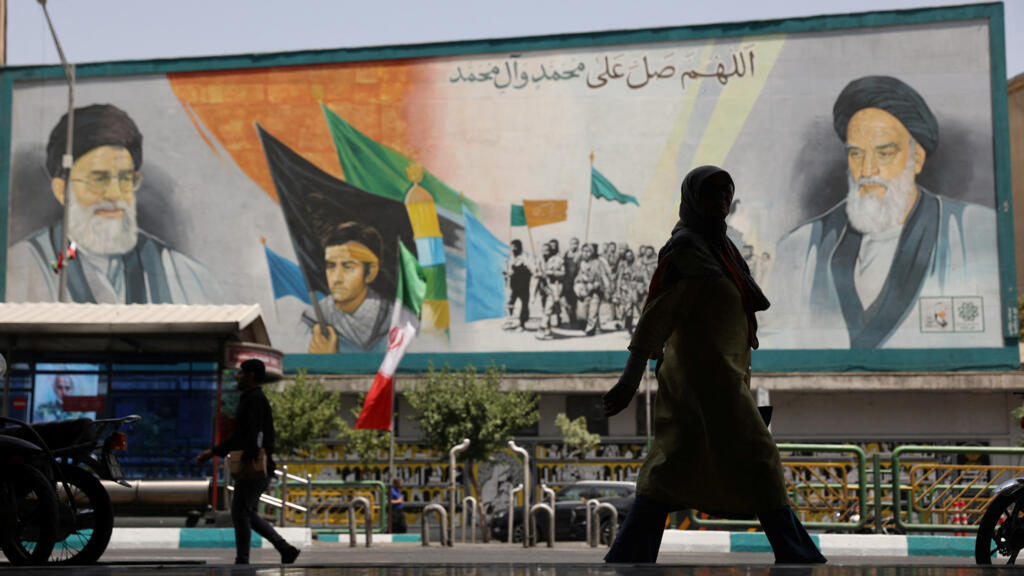
Iran authorities have arrested four individuals, including several high-profile reformist politicians, accusing them of attempting to destabilise the country during nationwide protests earlier this year and acting in the interests of the United States and Israel.
The arrests, carried out on Sunday, included Azar Mansouri, head of Iran’s Reform Front; Mohsen Aminzadeh, a former deputy foreign minister; and Ebrahim Asgharzadeh, according to Iranian media reports. The identity of a fourth detainee has not been disclosed.
Judiciary Cites Security Threats
Iran’s judiciary said the group was accused of organising and directing activities aimed at disrupting Iran’s political and social order during a period it described as one of heightened military threats from the United States and Israel.
In a statement carried by the judiciary’s official Mizan News Agency, authorities claimed the detainees sought to legitimise what it described as “terrorist actions” during the unrest.
Reform Front Confirms Arrests
Iran’s Reform Front confirmed the detentions in a statement published on X, saying Mansouri was taken from her home under a judicial order by intelligence forces of the Islamic Revolutionary Guard Corps.
The group added that summons had also been issued to other senior reformist figures, including deputy chairman Mohsen Armin and secretary Badral Sadat Mofidi.
Protests and Casualty Dispute
The arrests come amid continuing anger over the scale of deaths during protests that erupted in January. The demonstrations began in Tehran over worsening economic conditions before spreading nationwide and evolving into a broader antigovernment movement.
Iranian officials characterised the unrest as foreign-backed “riots” and accused Israel and the United States of fomenting violence.
The government later said 3,117 people were killed during the unrest, rejecting allegations from the United Nations and international rights groups that security forces were responsible for most of the deaths, particularly those occurring on January 8 and 9.
The U.S.-based Human Rights Activists News Agency said it has verified 6,854 deaths and is investigating more than 11,000 additional cases. Thousands of people were also detained.
Political Background of the Detainees
Reporting from Tehran, Al Jazeera correspondent Tohid Asadi said the detained politicians face serious charges but have long histories of political activism.
Aminzadeh served as deputy foreign minister under former President Mohammad Khatami, while Asgharzadeh is a former lawmaker who was involved in the 1979 takeover of the U.S. Embassy as a student leader.
“These figures have previously faced imprisonment and political pressure,” Asadi said, adding that the arrests could pave the way for further prosecutions.
Rising Regional Tensions
The January crackdown deepened tensions between Tehran and Washington. Donald Trump warned Iran against using force on protesters and threatened further action, after previously ordering U.S. strikes on Iranian nuclear facilities last June and deploying additional naval forces to the Gulf.
Iran’s Supreme Leader Ali Khamenei responded by warning that any attack on Iran could ignite a regional war, prompting diplomatic efforts by regional powers to ease tensions.
Those efforts led to indirect talks between Iran and the United States in Oman on Friday. President Masoud Pezeshkian described the discussions as “a step forward” and expressed support for continued dialogue. Further talks are expected next week.
Military Warning Issued
Iran’s top military commander also issued a warning on Sunday. Abdolrahim Mousavi said Iran does not seek regional conflict but would respond forcefully to any aggression.
“If a regional war erupts, the aggressors will bear responsibility for its consequences,” he said, warning that such a conflict would set back regional development and stability for years.