


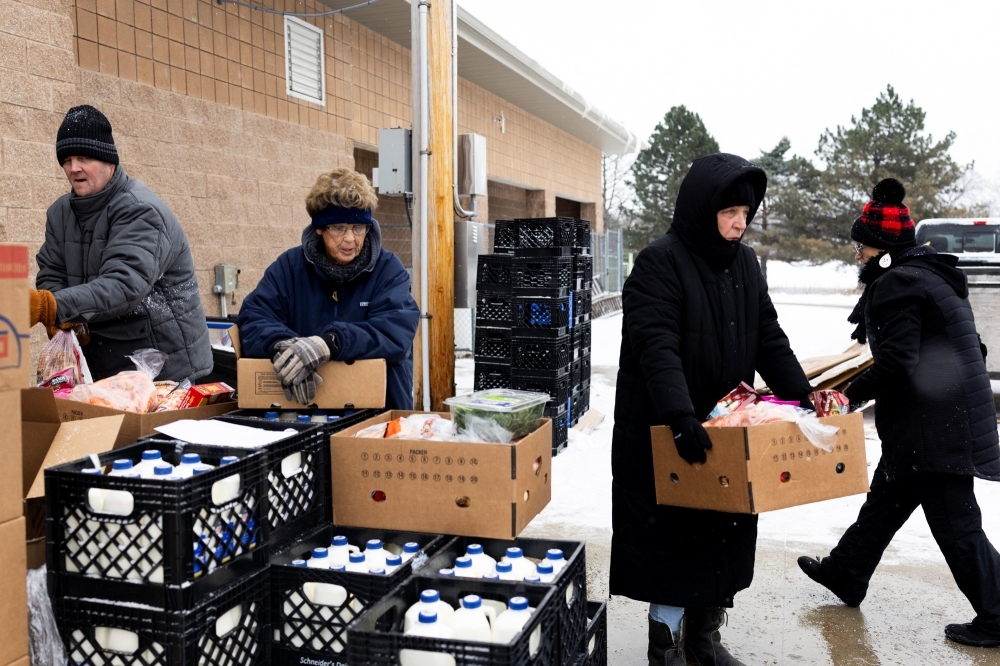
On a cold winter morning in rural Michigan, dozens of cars lined up outside a former firehouse now serving as a food pantry. Inside, volunteers packed everyday staples like lettuce, apples and cereal — items that remain stubbornly expensive despite easing headline inflation.
Among those waiting was Taylor Ludwig, a 35-year-old mother of three from Capac, a small town in St. Clair County. She arrived well before the pantry opened, seeking help she had hoped would not be necessary after voting for Donald Trump, who campaigned on lowering the cost of living.
Nearly a year into Trump’s presidency, Ludwig said she expected faster progress on inflation. While she still blames former President Joe Biden for the surge in prices, she warned that Republicans could lose her support in next year’s congressional elections if costs do not come down.
“I’m not just going to follow along like a sheep,” she said. “I’ll follow until it’s clear it’s not working.”
Inflation Tests Loyalty in Rural Michigan
Trump swept rural Michigan in 2024 by promising relief from rising prices. But persistent inflation — especially for groceries — is now testing the patience of voters who helped put him in office. Their frustration could have broader political consequences, potentially affecting control of Congress in a closely divided state.
Reuters spoke with 19 Trump voters across Capac and other parts of St. Clair County, an area that has grown increasingly Republican, backing Trump with more than 66% of the vote last year. Many described feeling financially squeezed, even as they remain loyal to the former president.

Prices Ease, But Essentials Stay High
Inflation has cooled in the Detroit metropolitan area, which includes St. Clair County. In August, overall prices rose just 0.7% year over year, according to the Bureau of Labor Statistics, helped by falling gasoline prices. But food costs tell a different story. Fruit and vegetable prices jumped more than 9%, while items like beef, coffee and orange juice saw double-digit increases nationwide.
Electricity prices also climbed sharply, adding to household pressure. About half of those interviewed said they or their families were struggling to make ends meet, including retirees, disabled residents and veterans living on fixed incomes.
Voters Weigh Their Political Options
While most interviewees still blame Biden for inflation, some are reconsidering their political future. Four said they would seriously consider voting for Democrats if economic conditions fail to improve by next November. Others said they remain committed Republicans, while a few were undecided.
Bob Benjamin, a retired auto worker picking up groceries for his grandchildren, said he voted for Trump but is open to change. “If you can see it coming out of a hole, I’ll give it more time,” he said. “But if it goes backward, maybe we need something different.”
Economists note that presidents have limited power to quickly reduce prices and warn that tariffs — a key Trump policy — often raise costs for consumers. Trump has pointed to upcoming tax cuts as part of his economic strategy, while the White House says he will campaign heavily on the economy in 2026.
Democrats See an Opening
Democrats are already making inflation central to their midterm strategy, branding Republican Senate hopeful Mike Rogers as “Price Hike Mike” and tying him closely to Trump. Rogers has rejected the criticism, arguing his background helps him understand working-class concerns and that tariffs will eventually boost wages.
Meanwhile, Trump’s approval rating on the cost of living has slipped, reflecting a deep political divide. For many voters in Michigan, the question is not ideology — but whether their grocery bills finally start to fall.