


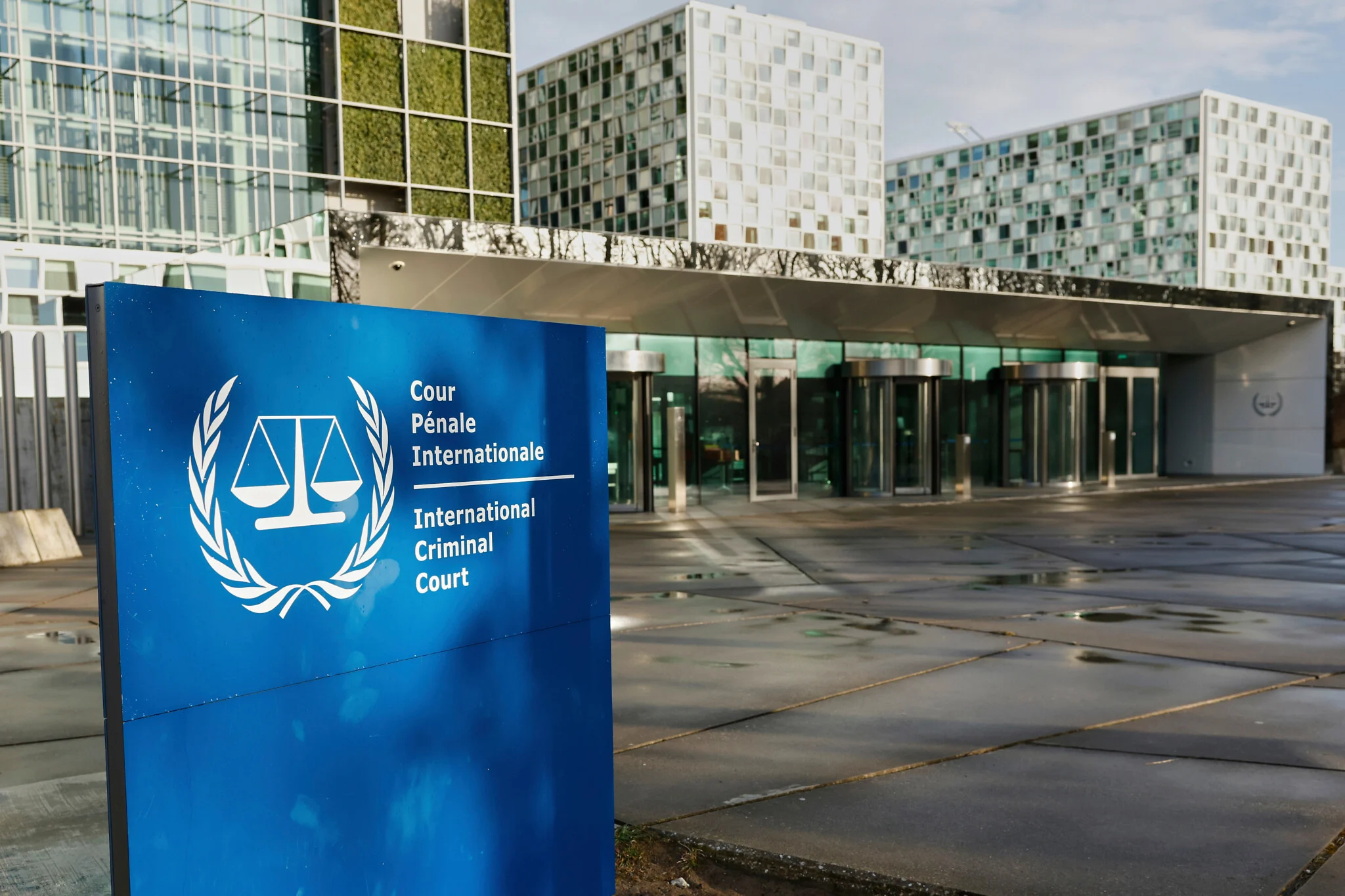
The International Criminal Court (ICC) has rejected Israel’s attempt to block the ongoing investigation into alleged war crimes in Gaza, reaffirming the court’s authority to examine potential violations committed by all parties. The ruling ensures that prosecutors can continue collecting evidence and reviewing actions taken throughout the conflict.
Israel argued that the ICC had no legal basis to conduct the investigation and urged the court to dismiss the case entirely. However, ICC judges ruled that Israel’s objections did not meet the legal criteria required to suspend or cancel the proceedings. The court emphasized its responsibility to pursue accountability when credible allegations of international law violations arise.
Why the Investigation Will Continue
At the core of the ICC’s probe are allegations of war crimes involving civilian deaths, military operations inside Gaza, and compliance with humanitarian law. The investigation covers actions by Israeli forces, Palestinian armed groups, and other actors who may have played a role in the conflict.
Human rights groups welcomed the ICC’s decision, saying it strengthens global efforts to uphold justice in regions affected by long-running violence. They noted that the ruling highlights the importance of impartial investigations, regardless of political pressure or objections from governments involved.
Israel strongly criticized the decision, claiming the court is overstepping its authority and acting with political bias. Israeli officials insisted that they have their own legal and military review mechanisms that are capable of handling allegations of misconduct. Nevertheless, the ICC ruling means the investigation will continue independently of Israel’s internal processes.
International reactions varied, with several governments calling on all parties to cooperate fully with the ICC. Observers noted that the ruling may influence future diplomatic discussions related to the conflict and international accountability.
Despite the progress, ICC officials cautioned that the investigation may take considerable time. The complexity of the evidence, the challenges in accessing affected areas, and differing levels of cooperation from involved parties could extend the process.
The court’s decision sends a clear message that attempts to block or delay investigations will not prevent the pursuit of justice. As the probe continues, the ICC aims to determine whether war crimes were committed and who may ultimately be held responsible.