


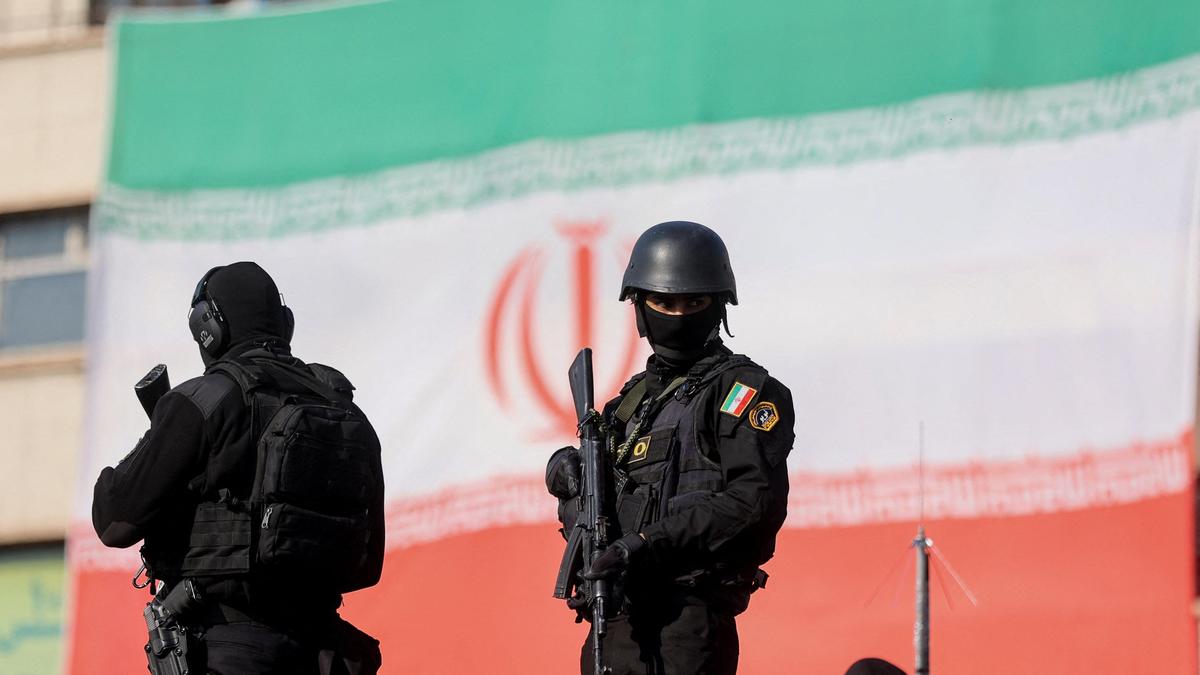
Sustained protests across Iran since late December have prompted sharply different responses from governments and international organisations around the world. While some countries have raised alarm over what they describe as foreign-driven unrest, others have accused Iran’s leadership of responding with excessive force against demonstrators.
Iranian officials have acknowledged public anger linked to economic hardship and rising living costs but have drawn a distinction between peaceful protesters and groups they say are attempting to destabilise the country. Foreign Minister Abbas Araghchi has described the latter as individuals seeking to “sow discord”.
Tehran Rejects War but Signals Readiness
Araghchi has insisted that Iran is not seeking conflict, yet warned that the country remains “prepared for all options” following threats of military action from U.S. President Donald Trump over Tehran’s handling of the protests.
According to Iran’s semiofficial Tasnim news agency, at least 109 members of the security forces have been killed since demonstrations began. Iranian authorities have not released figures for civilian deaths, while opposition groups based outside the country claim hundreds of protesters have been killed. These figures cannot be independently verified.
Below is an overview of how key countries and global bodies are responding.
United States
President Trump has repeatedly warned Iran’s leadership against the use of lethal force and said Washington is weighing military options.
“The military is looking at it, and we’re considering some very strong measures,” Trump told reporters aboard Air Force One. He has also publicly expressed support for protesters, saying the United States stands ready to help.
Israel
Israel, Iran’s most vocal regional adversary, has openly supported the demonstrators. Prime Minister Benjamin Netanyahu praised what he called the courage of Iranian citizens, while the Israeli military said the protests were an internal matter but stressed it was prepared to act if required.
United Kingdom
British officials have taken a cautious stance. A government minister declined to rule out support for military action, while opposition figures said intervention could be justified depending on how the situation develops.
European Union
The European Union said it is prepared to propose additional sanctions in response to the violence. Britain, France and Germany issued a joint statement condemning the killing of protesters and urging Iranian authorities to respect human rights.
Germany
German Chancellor Friedrich Merz suggested Iran’s leadership was nearing collapse, arguing that regimes relying on violence to retain power ultimately fail. Berlin has previously described Tehran’s response to protests as a sign of weakness rather than strength.
Japan
Japan’s foreign minister called for an immediate end to violence and urged all parties to work toward a swift resolution of the crisis.
China
China has aligned more closely with Tehran, opposing what it described as outside interference in Iran’s internal affairs. Beijing stressed that national sovereignty and security must be upheld under international law.
Russia
Russia’s Security Council secretary Sergei Shoigu condemned what he called foreign attempts to interfere in Iran, following discussions with senior Iranian security officials.
Turkiye
Turkish Foreign Minister Hakan Fidan said the protests were being manipulated from abroad, directly accusing Israel’s intelligence service of encouraging unrest through online platforms.
United Nations
UN Secretary-General Antonio Guterres said he was deeply concerned by reports of violence against protesters and urged Iranian authorities to exercise restraint.
“All Iranians must be able to express their grievances peacefully and without fear,” he said.