


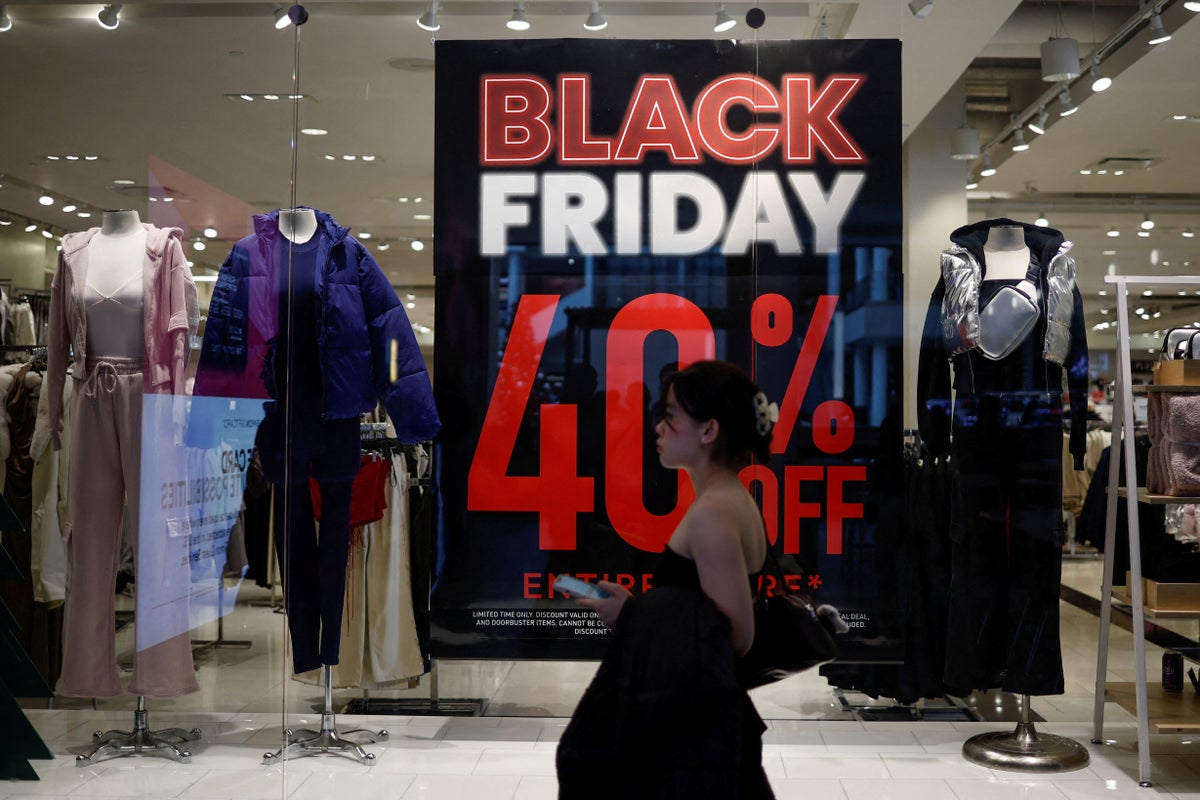
Black Friday is no longer the chaotic shopping frenzy it once was—when shoppers rushed from Thanksgiving dinner to malls, sometimes even fighting over discounted TVs or toys. Still, the event remains the biggest shopping day in the U.S., drawing millions and marking the official start of the holiday shopping season.
This year, the kickoff arrives as companies face an unpredictable economic climate and the ongoing effects of President Donald Trump’s wide-ranging tariffs on imported goods.
Retailers Facing Tariffs and Economic Uncertainty
Many businesses have absorbed additional costs rather than raising prices, choosing instead to scale back hiring and wait out the volatility. Consumer confidence has slipped, hitting its lowest point since April—right after Trump introduced his tariffs—driven by the government shutdown, weak job growth, and persistent inflation, according to The Conference Board.
Even so, American shoppers have remained surprisingly resilient. Strong quarterly reports from major retailers like Walmart and Best Buy reflect steady consumer spending. But executives say buyers are becoming more selective, hunting for deals and holding back on non-essentials.
Shoppers Stay Cautious but Engaged
Aron Boxer, 50, from Connecticut, delayed purchasing a car this year due to tariff worries. He plans to hunt for toy deals on Cyber Monday but isn’t afraid to wait if bigger discounts appear later.
“The tariffs definitely are not behind me,” Boxer said. “Some businesses made bad decisions predicting a bigger impact than what actually happened.”
Despite concerns, analysts and mall operators report strong momentum leading into Black Friday.
Mall of America’s Chief Business Development Officer, Jill Renslow, said recent Saturdays in November were “very strong.” The mall plans early-morning giveaways to continue driving traffic, which already exceeds pre-pandemic 2019 levels.

Forecasts Show Healthy Holiday Spending
The National Retail Federation predicts holiday sales will reach between $1.01 trillion and $1.02 trillion—a 3.7% to 4.2% increase over last year. In 2024, holiday spending hit $976 billion, up 4.3% from 2023.
Mastercard SpendingPulse expects a 3.6% rise in holiday spending from November 1 to December 24. While slightly lower than last year’s 4.1% gain, the outlook remains solid.
“Consumers feel uneasy,” said Mastercard’s Chief Economist Michelle Meyer. “But so far, they’re still showing up.”
Online shopping continues to surge. From November 1 to Sunday, shoppers spent $79.7 billion, a 7.5% increase from last year, surpassing Adobe Analytics’ 5.3% forecast.
Tariffs Influence Pricing and Inventory
Tariffs have directly affected merchandise planning. Many retailers rushed shipments before tariffs hit, absorbed some costs, and passed the rest on to customers—especially in categories heavily sourced from China, like toys.
Market research firm Circana found that 40% of general merchandise sold in September had price increases of at least 5% compared to earlier in the year. Items such as toys, baby gear, housewares, and sports equipment saw especially steep rises.
In toys alone, 83% of items saw price increases of at least 5%—up from 32% in June.
Smaller Discounts, Lean Inventory
Some retail executives noticed that holiday discounts seemed weaker or appeared later than usual. Renslow said many stores have only recently begun offering typical 30%–50% reductions and may deepen them for the weekend.
Stephen Lebovitz, CEO of CBL Properties, noted that leaner inventory because of tariff-related caution has given retailers more pricing power—leading to fewer steep early-season markdowns.