


A fast-paced, rhythm-heavy song circulating online sounds, at first listen, like a reflection on changing rural life in Bangladesh.
“The days of boats, sheaves of paddy and ploughs are over; now the scales will build Bangladesh,” the lyrics declare.
But the song, which surged across Facebook, YouTube, Instagram and TikTok in early November, is in fact a political anthem backing Jamaat-e-Islami — and a sign of how deeply online campaigning has reshaped Bangladesh’s election season.
Symbols, Songs and Political Messaging
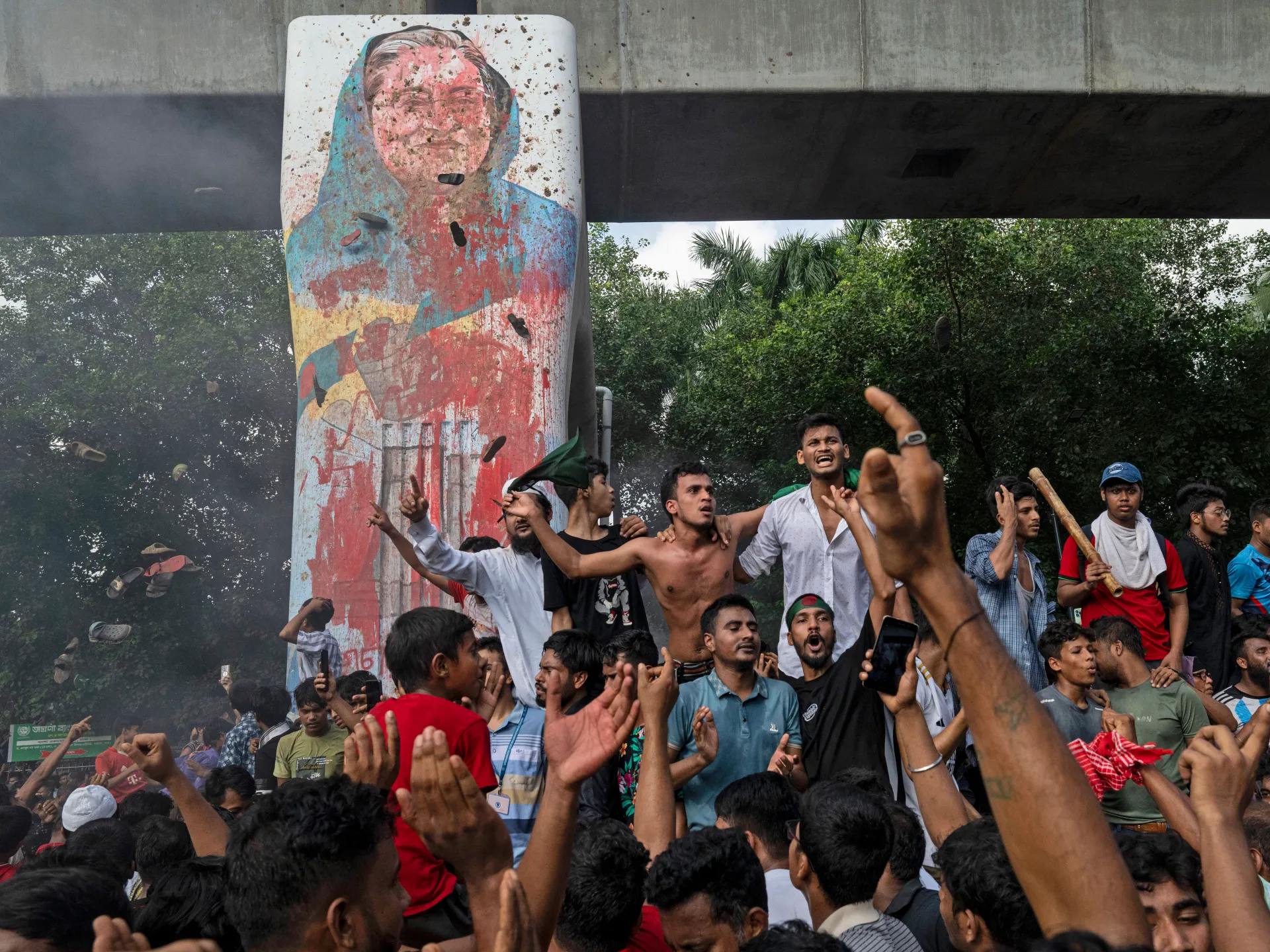
The song references symbols long associated with Bangladesh’s dominant political parties. The boat represents the Awami League, led by former Prime Minister Sheikh Hasina, who was removed from office following a student-led uprising in August 2024. The sheaf of paddy symbolises the Bangladesh Nationalist Party (BNP), while the plough stands for the Jatiya Party, once an Awami League ally.
Jamaat-e-Islami’s emblem is the scales — the image the song promotes as a replacement for the past.
Online Campaigns Begin Long Before the Ballot
Bangladesh is scheduled to vote on February 12 in what is shaping up to be a close contest between the BNP and a Jamaat-led alliance. Formal campaigning on the ground begins January 22, but the online race has been under way for months.
Political parties are focused heavily on Gen Z voters, many of whom played a central role in ousting Hasina and are expected to influence who forms the next government.
The viral success of the pro-Jamaat song triggered a rush by rival parties to release their own campaign music, underscoring how social media now rivals rallies as a way to reach millions.
Music Becomes a Political Tool
The song’s creator, London-based filmmaker HAL Banna, told Al Jazeera that it was originally written for a single candidate in Dhaka.
“Once people began sharing it widely, other candidates realised it resonated with everyday voters and started using it,” he said.
The BNP soon followed with its own campaign song, emphasising national unity and putting people ahead of power. Meanwhile, the National Citizen Party (NCP) — formed by student leaders who spearheaded the 2024 protests — also released music that quickly gained traction online.
Beyond Songs: The Digital Push Expands
Music is only one part of a broader online strategy. Short dramatized videos, emotional testimonials, policy explainers and satirical content now dominate social feeds.
This digital contest goes beyond parliamentary seats. Voters will also weigh in on a referendum tied to the July National Charter, a reform agenda introduced by the interim government led by Muhammad Yunus. The reforms aim to reshape state institutions following the July uprising.
Why Online Platforms Matter
Bangladesh’s massive online population explains the digital focus. Government data show about 130 million internet users — roughly three-quarters of the population — as of late 2025.
According to DataReportal, the country has around 64 million Facebook users, nearly 50 million YouTube users, more than 56 million TikTok users aged 18 and over, and over 9 million Instagram users. Nearly 44 percent of eligible voters are aged between 18 and 37.
After elections in 2013, 2018 and 2024 were widely criticised for irregularities and boycotts, analysts say many young voters are determined to make their voices heard this time.
Competing Digital Strategies
With the Awami League banned from political activity, the election has effectively become a two-sided race: a BNP-led bloc versus a Jamaat-led alliance that includes the NCP.
BNP leader Mahdi Amin said the party is using digital platforms to share policy proposals and gather feedback. One initiative, MatchMyPolicy.com, allows voters to respond directly to campaign promises.
Jamaat-e-Islami has launched a similar site, janatarishtehar.org, aimed at collecting public input for its manifesto. Party leader Jubaer Ahmed said Jamaat’s strategy is focused on shaping narratives rather than mimicking rivals.
Who Is Winning the Online Race?
Analysts caution that it is too early to declare a winner.
Mubashar Hasan of Western Sydney University noted that BNP messaging tends to highlight policy pledges — such as financial support for households and farmers — packaged in short, shareable videos.
By contrast, he said pro-Jamaat content often focuses on portraying the BNP as indistinguishable from the Awami League.
Fact-checker Qadaruddin Shishir added that Jamaat-aligned content frequently taps into anti-India sentiment, particularly after Hasina fled to India, which has declined to extradite her.
Referendum Campaign Also Goes Digital
The interim government has launched its own online push in support of a “Yes” vote on the July Charter, arguing that social media is now essential as traditional media outlets lose reach.
Press Secretary Shafiqul Alam said online outreach is key to building public backing for reforms that include limits on prime ministerial power, safeguards against election interference, and stronger judicial independence.
Offline Campaigning Still Counts
Despite the surge in digital campaigning, analysts and content creators agree that in-person outreach remains vital.
“Nothing replaces physical campaigning for impact,” HAL Banna said. “But online campaigns set the tone of conversations people then carry offline.”
With one of the youngest electorates in South Asia, those online conversations may prove decisive when Bangladesh heads to the polls.