


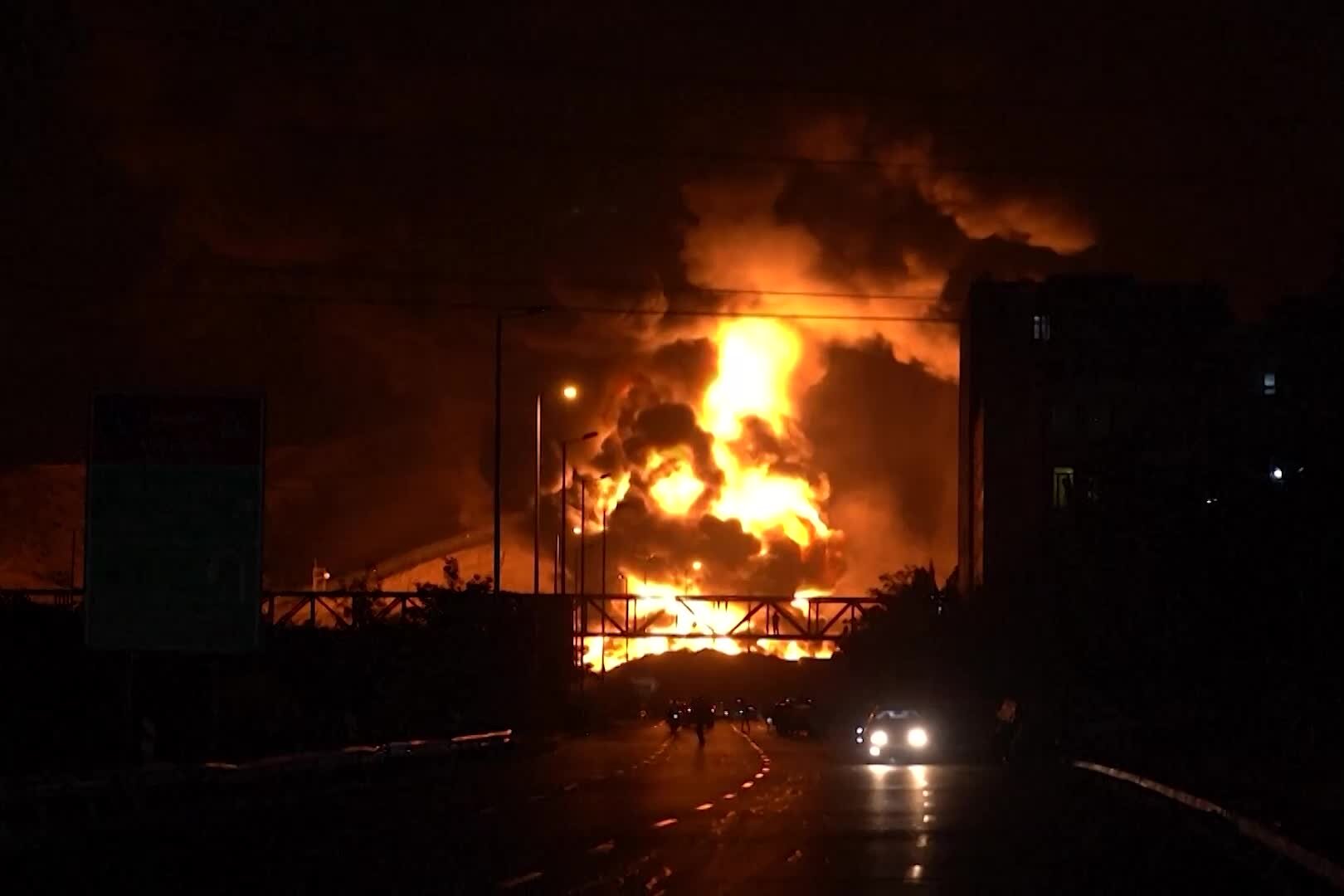
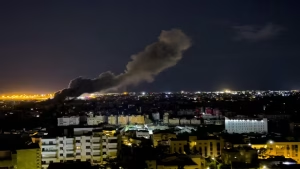
When missiles linked to Iran struck major Gulf cities such as Doha, Dubai, and Manama over the weekend, the damage went far beyond shattered buildings and smoke-filled skylines. The attacks also pierced the long-standing perception of the Gulf as a zone of safety and economic calm, largely shielded from the wider turmoil of the Middle East.
For years, these cities symbolized stability, prosperity, and insulation from regional conflict. Now, that image is under pressure as governments confront a stark and deeply complicated decision: respond militarily and risk being seen as aligned with Israel, or remain restrained while their own territory faces repeated threats.
According to regional analysts, the psychological impact of seeing prominent Gulf urban centers under missile threat is unprecedented. For residents and policymakers alike, the experience has been described as nearly unthinkable, comparable to major American cities suddenly coming under attack. The shock has intensified public pressure on leaders to demonstrate that they can safeguard national security and sovereignty.
The strikes followed Iran’s retaliation to a large-scale joint US-Israeli operation that reportedly targeted military and government facilities inside Iran. The assault resulted in the deaths of several senior Iranian figures, including Supreme Leader Ayatollah Ali Khamenei, and caused heavy civilian casualties after a school and other sites were hit.
In response, Tehran launched missiles and drones aimed at Israel and US military-linked assets across the Gulf region. Reports indicated casualties and injuries in multiple countries, including the United Arab Emirates, Qatar, Kuwait, Bahrain, and Oman. Infrastructure damage was recorded at airports, high-rise districts, and key urban landmarks, with smoke rising from neighborhoods in several cities. Saudi Arabia also confirmed strikes affecting Riyadh and parts of its eastern region.
A Conflict the Gulf Tried to Prevent
Despite the escalation, Gulf nations had actively worked behind the scenes to avoid open confrontation. In the weeks leading up to the crisis, Oman played a central diplomatic role by facilitating indirect discussions between Washington and Tehran. Officials suggested that diplomatic progress had been within reach, particularly after signals that Iran was willing to limit and dilute its enriched uranium stockpile.
However, hopes for de-escalation collapsed within hours as military action began.
Analysts note that Gulf Cooperation Council (GCC) states had anticipated rising tensions for months and invested significant diplomatic capital in preventing exactly this scenario. Their concern, experts argue, was that a cornered Iran might expand the conflict regionally rather than accept strategic defeat.
The Strategic and Political Dilemma
Now, Gulf governments face a complex balancing act. Entering the conflict risks damaging their legitimacy, especially if military action is perceived as coordinated with Israel. On the other hand, inaction could be interpreted domestically and internationally as weakness.
Experts describe the situation as a political and strategic “conundrum.” Governments in the region must respond to public expectations of protection while preserving diplomatic credibility and regional positioning.
Some analysts suggest that if military action occurs, Gulf states may prefer a coordinated regional response under their own framework rather than direct alignment with external powers. Mechanisms such as the Peninsula Shield Force, the GCC’s joint military structure established in the 1980s and later expanded, could provide a pathway for collective defense that maintains regional autonomy.
Such an approach would allow Gulf countries to project leadership and agency, rather than appearing reactive to decisions made by outside actors.
Fears Over Critical Infrastructure
Beyond immediate casualties and structural damage, the most pressing concern for Gulf leaders is the vulnerability of essential infrastructure. Power grids, desalination facilities, and energy installations are viewed as high-risk targets in any prolonged escalation.
Given the region’s extreme climate, disruptions to water desalination and electricity could have severe humanitarian and economic consequences. Without reliable cooling systems and water supply, daily life in many Gulf states would become extremely difficult. Similarly, any sustained damage to energy infrastructure could directly affect economic stability and investor confidence.
Reputation and Regional Standing at Risk
While physical damage is significant, analysts emphasize that the reputational impact may be even more consequential. The Gulf’s global brand as a safe destination for investment, tourism, and international business has been a cornerstone of its economic model.
Missile strikes on globally recognized cities risk undermining that perception of predictability and security. If instability becomes associated with the region, it could reshape investment flows and long-term economic planning.
A Shift in Regional Security Dynamics
The crisis also signals a broader transformation in Middle Eastern security patterns. In recent years, Gulf states have primarily focused on threats from non-state actors and proxy conflicts. The current escalation, however, reflects a return to direct state-to-state confrontation.
This shift marks a departure from the so-called “grey zone” conflicts characterized by disinformation, proxy warfare, and indirect engagement. Instead, the region is witnessing overt military escalation between state actors, raising concerns about a prolonged and more conventional conflict structure.
Notably, prior to the current hostilities, some Gulf policymakers had increasingly viewed Israeli military actions as a destabilizing factor in regional dynamics. However, Iran’s wide-ranging and highly dispersed missile response has significantly altered that strategic assessment.
Rapid Recalibration Underway
For now, Gulf governments are reassessing their strategic options in real time. Their decisions will likely depend on whether further escalation follows a predictable pattern or becomes increasingly unpredictable.
If the conflict intensifies with broader and less targeted strikes, pressure to respond could grow. Conversely, a more controlled escalation trajectory may allow Gulf states to maintain a cautious stance, which many leaders appear to prefer.
Yet with iconic skylines now marked by the aftermath of missile attacks, remaining on the sidelines may become increasingly difficult. The coming weeks will determine whether the region moves toward coordinated defense, continued restraint, or deeper involvement in a widening conflict that threatens to reshape Middle Eastern geopolitics.