


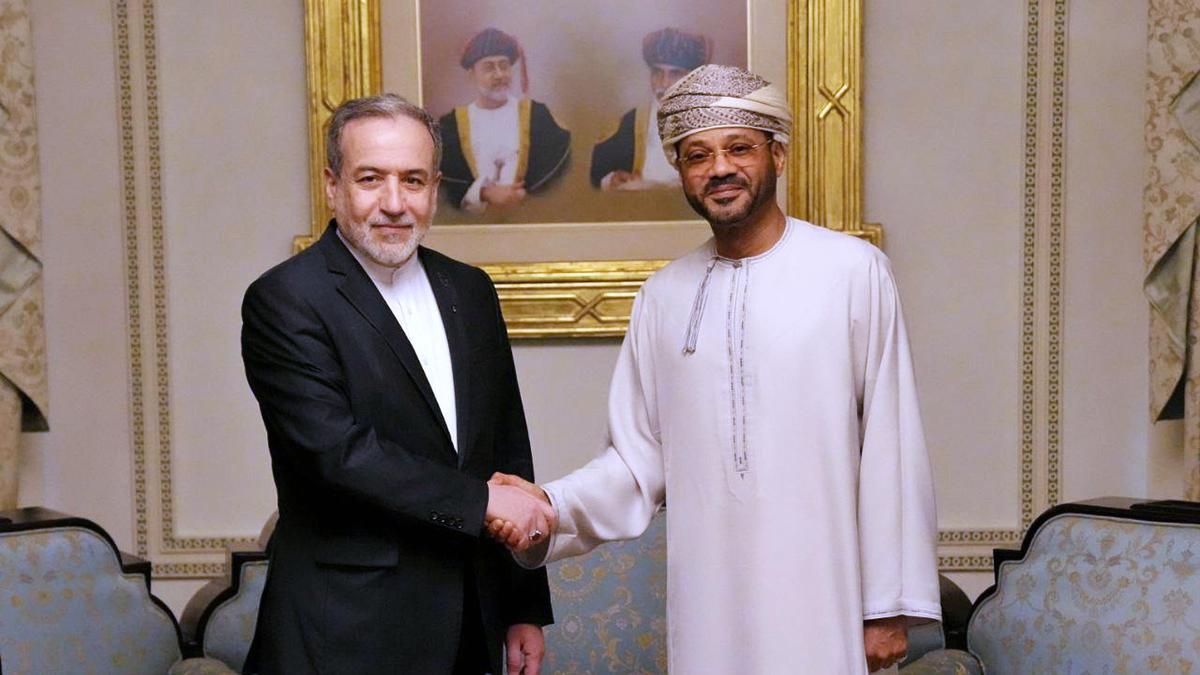
b have described the latest round of indirect discussions with the United States in Oman as constructive, while US President Donald Trump said the talks were “very good”. Despite the encouraging tone, the mediated negotiations have yet to outline a clear roadmap to ease rising fears of a potential US military strike against Iran.
Speaking to Iranian state television in Muscat on Friday after the talks concluded, Iran’s Foreign Minister Abbas Araghchi said the discussions had “a good start”. He noted that decisions on further rounds would be made after consultations with relevant capitals.
However, Araghchi also warned that the negotiations were taking place in an atmosphere of mistrust, following US strikes on Iranian nuclear facilities during Washington’s brief involvement in Israel’s 12-day conflict with Iran in June. Those attacks occurred just days before a previously planned sixth round of similar indirect talks.
Washington Signals Willingness, Maintains Pressure
President Trump, speaking later aboard Air Force One, echoed the positive assessment, saying the US had held “very good” talks with Iran and that further discussions were expected early next week.
At the same time, Trump reiterated his warnings, saying that failure to reach an agreement over Iran’s nuclear programme would lead to “very steep” consequences.
“Iran looks like they want to make a deal very badly – as they should,” Trump said, suggesting Tehran might be prepared to offer more concessions than in earlier negotiations, though he did not provide details.
Mediated Diplomacy in Muscat
Iran’s delegation was led by Araghchi, while the US was represented by special envoy Steve Witkoff and Trump’s son-in-law Jared Kushner. The US delegation also included Brad Cooper, the most senior US military commander in the region.
Oman played a central role in facilitating the talks. Foreign Minister Badr bin Hamad Al Busaidi met separately with both sides several times and relayed messages between the delegations.
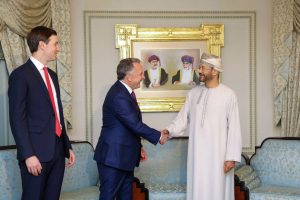
“It was useful to clarify both Iranian and American perspectives and identify areas for possible progress,” Al Busaidi said, adding that the aim was to reconvene at a later stage. Oman’s Foreign Ministry said the discussions focused on creating suitable conditions for resuming diplomatic and technical negotiations.
Military Tensions Loom in the Background
The talks come as Trump weighs military options against Iran. The US has moved the USS Abraham Lincoln and supporting warships closer to Iranian waters, reinforced air defences at regional bases, and recently shot down an Iranian drone.
Washington has repeatedly warned that it could take military action if Iran refuses to negotiate a new agreement.
Red Lines and Nuclear Disputes
The US is demanding that Iran completely halt uranium enrichment, including the 3.67 percent civilian-use level allowed under the 2015 nuclear deal, which Trump abandoned in 2018. Iran had previously enriched uranium up to 60 percent before key facilities were damaged or destroyed by US strikes in June.
Washington also wants limits on Iran’s ballistic missile programme and an end to Tehran’s support for allied armed groups in Iraq, Lebanon, Yemen, and Syria. Several European states and Israel support these demands.
Iran, however, has repeatedly stressed that negotiations will focus solely on nuclear issues aimed at lifting sanctions and reducing tensions. Missile capabilities and regional influence, Iranian officials say, remain non-negotiable red lines. Tehran has also called for an end to US threats of war.
Public Reaction Inside Iran
Developments are being closely followed by the Iranian public, though optimism appears more muted than during earlier negotiation rounds last year.
Some citizens hope talks will prevent further conflict, citing economic hardship and soaring inflation. Others believe the talks are unlikely to succeed due to the deep divisions between the two sides, while a smaller number see military escalation as inevitable amid prolonged uncertainty and pressure.