


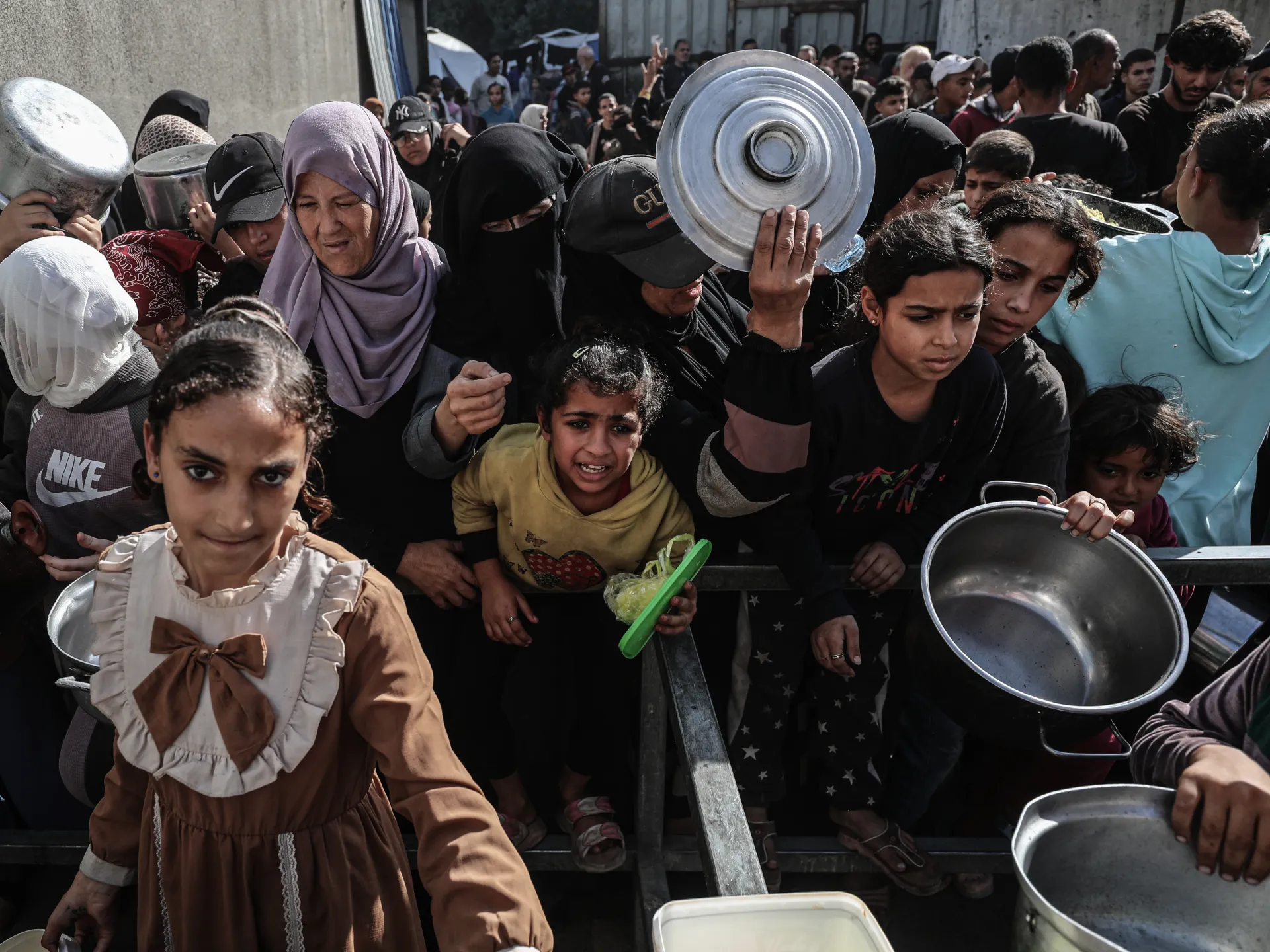
International humanitarian organisations operating in Gaza say they will not comply with new Israeli registration requirements, warning that the demands threaten staff safety and undermine humanitarian principles.
Eight aid groups told Al Jazeera that they will defy Israeli orders to submit detailed information about their employees working in Gaza and across the occupied Palestinian territory. The stance comes amid mounting pressure on aid agencies following Israel’s dismantling of Gaza’s healthcare system.
The organisations include ActionAid, Alianza por la Solidaridad, Medecins du Monde, Medicos Del Mundo, Premiere Urgence Internationale, American Friends Service Committee, Medico International, and Medical Aid For Palestinians.
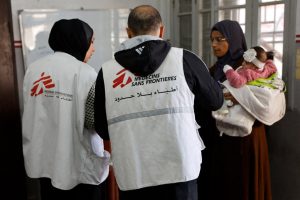
They have joined Oxfam and Doctors Without Borders—commonly known by its French acronym MSF—in rejecting the registration rules.
‘An Absolute Red Line’
A spokesperson for Premiere Urgence Internationale described Israel’s request for staff lists as “an absolute red line,” warning that handing over such data could place humanitarian workers at serious risk.
Medecins du Monde echoed those concerns, stressing that humanitarian access cannot be treated as optional or politicised. The organisation said Israel is obligated under international humanitarian law to facilitate relief efforts without conditions.
Since the war on Gaza began in October 2023, more than 550 aid workers have been killed, including 15 MSF staff, according to humanitarian groups.
Licences Withdrawn Over Data Demands
On January 1, Israeli authorities revoked the licences of 37 aid organisations, citing their refusal to share information about employees, funding sources and operational details. Under guidelines issued by Israel’s Ministry for Diaspora Affairs and Combating Antisemitism, NGOs are required to submit sensitive material such as passport copies, CVs and details about employees’ family members, including children, in the name of “security and transparency”.
Al Jazeera contacted all 37 organisations affected. Ten confirmed they would not comply, four declined to comment, and the remainder did not respond. The International Rescue Committee said it was engaging with authorities in an effort to continue delivering life-saving aid.
‘A Pretext to Obstruct Humanitarian Assistance’
ActionAid said the registration measures are part of a sustained effort to weaken systems that support Palestinian civilians. The organisation argued that the requirements force charities to accept political conditions unrelated to humanitarian work, violating international data protection standards and core humanitarian principles.
Israel has repeatedly accused Palestinian aid workers of links to armed groups—allegations that organisations such as MSF have firmly denied. Israeli authorities have claimed, without providing evidence, that MSF employed fighters.
On Sunday, Israel ordered MSF to shut down its operations in Gaza by February 28. MSF, which runs 20 health clinics in the enclave, said the move was a pretext to block humanitarian assistance. The group stated it refused to submit staff names because Israeli authorities failed to guarantee worker safety, data protection and the independence of medical services.
Health System Under Continued Strain
British-Palestinian surgeon Ghassan Abu Sittah told Al Jazeera that the destruction of Gaza’s healthcare system remains central to Israel’s actions, even during periods described as ceasefires. He said aid organisations now play a more critical role than ever, particularly because Palestinian medical staff provide most frontline care.
MSF estimates it supplies around 20 percent of Gaza’s hospital beds. In 2025 alone, it carried out roughly 800,000 medical consultations and assisted in one out of every three births—services the organisation says cannot easily be replaced.
Fears of Controlled ‘Alternative Aid’ Systems
Israel has said it is assessing alternative medical arrangements following MSF’s removal, raising alarm among doctors and aid experts. Emergency physician James Smith, who has volunteered in Gaza, warned that Israel could attempt to replace independent NGOs with tightly controlled, state-backed structures.
He pointed to the Gaza Humanitarian Foundation, a US- and Israel-supported initiative that operated in 2025. During its six-month run, more than 850 Palestinians were killed near its aid distribution sites, according to reports.
Smith cautioned that such models use humanitarian language while enabling violence and control, rather than delivering genuine relief.
NGOs Reject Compliance
Medico International said the registration drive aims to force NGOs into compliance with Israeli policies or, failing that, to criminalise their work. Medical Aid for Palestinians described the order as a deliberate political attack intended to silence and control humanitarian organisations.
Both groups stressed that international law requires Israel to allow rapid and unimpeded humanitarian assistance—not obstruct, politicise or criminalise it.