


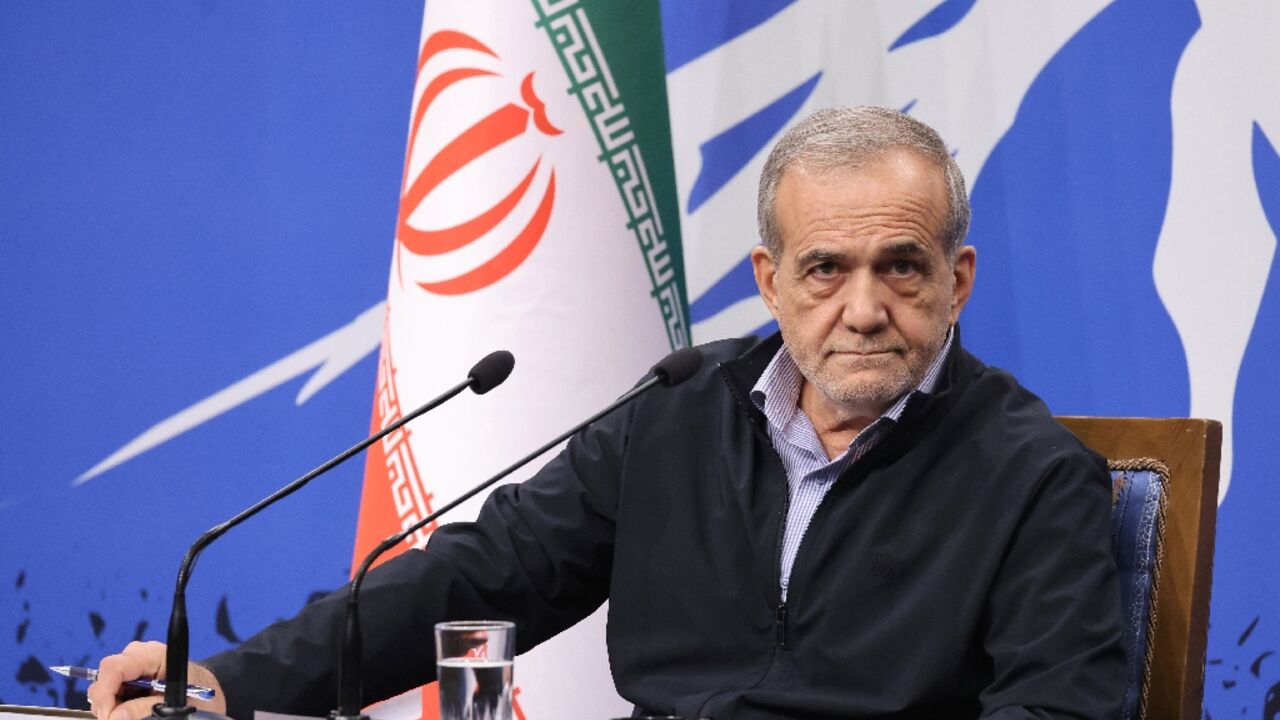
Iran President Masoud Pezeshkian has promised to address growing economic grievances, saying his government is prepared to listen to protesters, while warning against what he described as “rioters” and “terrorist elements” exploiting the unrest.
In a televised interview with state broadcaster IRIB on Sunday, Pezeshkian said authorities had heard the concerns of citizens demonstrating over worsening living conditions but stressed that violence would not be tolerated.
“We hear the protesters and have made every effort to solve their problems,” he said. “But rioters are not protesting people, and they must not be allowed to disrupt the country.”
Protests Triggered by Currency Collapse
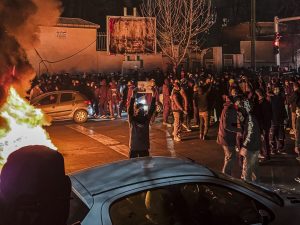
The demonstrations began after merchants at Tehran’s Grand Bazaar shut their shops in response to the sharp depreciation of the Iranian rial. What started as protests over economic hardship has now entered a third week and evolved into broader antigovernment rallies.
Pezeshkian blamed United States and Israel for fuelling the unrest, claiming foreign-backed groups were seeking to destabilise Iran.
“The same people who attacked this country during the recent war are now trying to escalate unrest under the pretext of economic issues,” he said, alleging that foreign-trained individuals had carried out attacks on public spaces, including a bazaar in Rasht and several mosques.
Largest Unrest Since Mahsa Amini Protests
The current demonstrations are the most extensive since the 2022–2023 movement sparked by the death in custody of Mahsa Amini, who was detained for allegedly violating Iran’s strict dress code for women.
State media has reported that 109 members of the security forces have been killed during the unrest. Authorities have not released an official figure for civilian deaths, though opposition activists outside Iran claim hundreds of protesters have been killed — figures that cannot be independently verified.
Verified footage from a morgue in Kahrizak, south of Tehran, showed dozens of bodies in black bags outside the facility, with relatives searching for missing loved ones. State television broadcast similar images, attributing the deaths to “armed terrorists”.
Crackdown, Mourning and Internet Blackout
Authorities have declared three days of national mourning for what state media described as “martyrs killed in resistance against the United States and the Zionist regime”. The Interior Ministry said unrest was subsiding, while the attorney general warned that participants could face the death penalty.
Internet monitoring groups report a nationwide blackout lasting more than 72 hours, severely limiting access to information.
UN Secretary-General António Guterres said he was “shocked” by reports of violence against protesters and urged Iranian authorities to respect rights to peaceful assembly and expression.
Rising Tensions With Washington
The unrest comes as US President Donald Trump pursues a confrontational foreign policy, including threats of action against Iran. US officials told Reuters that Trump was expected to meet advisers to discuss options, ranging from tighter sanctions to cyber operations and possible military strikes.
Iranian Parliament Speaker Mohammad Baqer Qalibaf issued a warning, saying any attack on Iran would make US and Israeli assets in the region legitimate targets.
Experts See No Easy Exit
Vali Nasr, a professor at Johns Hopkins University, said Iran’s leadership genuinely believes the protests are part of a foreign-backed attempt to weaken or topple the system.
“This is not just rhetoric,” he told Al Jazeera. “The leadership sees the protests through the lens of conflict with the US and Israel.”
Nasr added that Iran faces limited options to resolve the crisis. “Blood has been shed, anger is deep, and there is no clear path to fix the economic or security grievances,” he said, noting the difficulty of assessing whether protests could overwhelm security forces.
Solidarity Protests Abroad
Demonstrations in support of Iranian protesters were reported in cities including London, Los Angeles, Paris, Berlin and Istanbul. In Los Angeles, a vehicle drove into a crowd during a rally, though no immediate casualties were reported.
Iran also summoned the UK ambassador after incidents at its London embassy and comments by British officials, accusing London of interference.
As protests continue and tensions with Washington escalate, Iran remains locked in a volatile standoff between public anger, economic distress and mounting international pressure.