


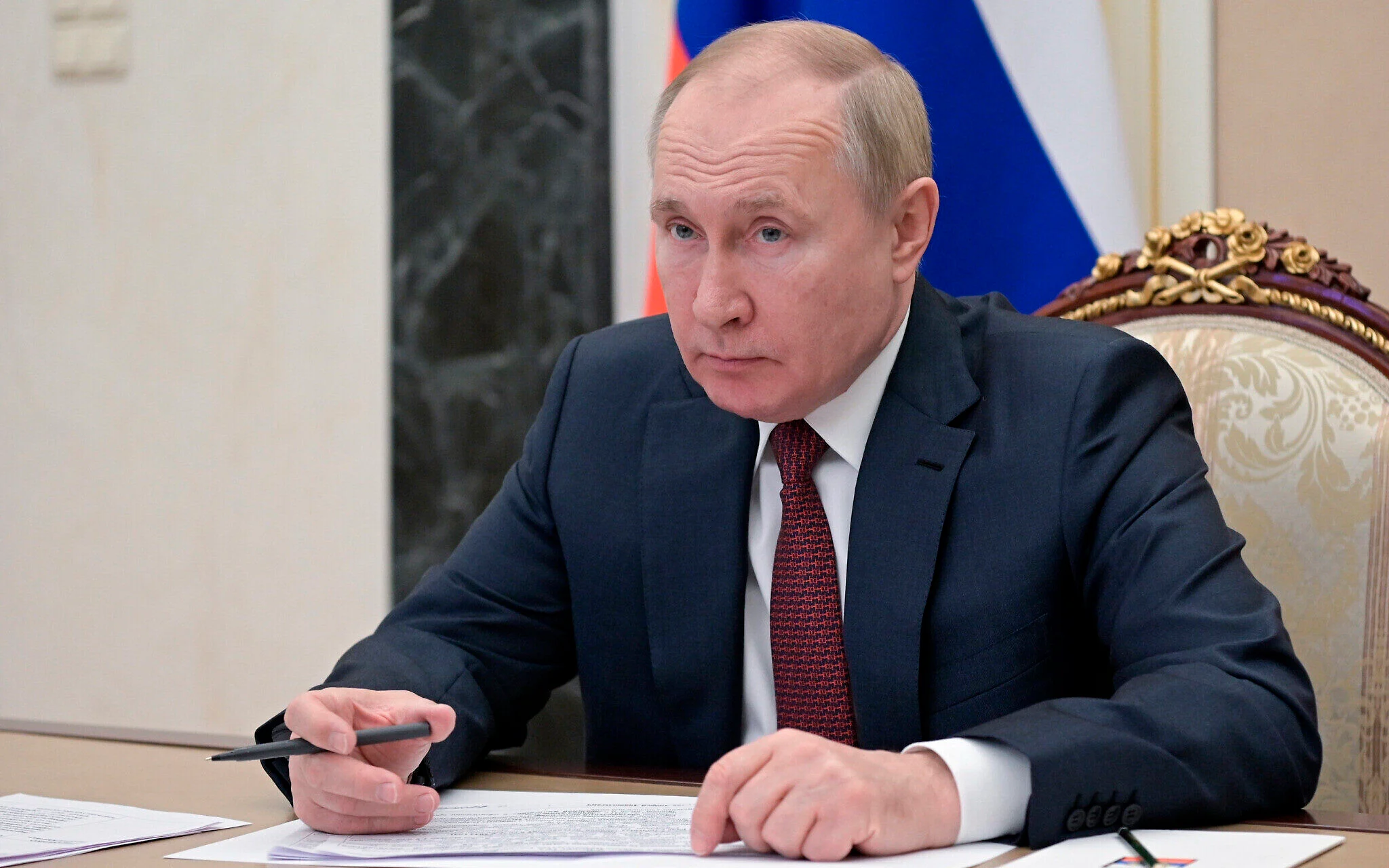
Ukrainian and European Union officials have firmly denied Moscow’s statement that Kyiv attempted to hit a private residence associated with Russian President Vladimir Putin using drones this week. The allegation, raised by Russia on Monday, has added new friction to diplomatic efforts led by the United States to negotiate a possible end to the long-running war. During a press briefing on Monday, Russian Foreign Minister Sergei Lavrov claimed that Ukraine had launched dozens of drones toward a presidential property near Valdai, Novgorod, in northern Russia. Lavrov said the government would reassess its position in negotiations as a consequence, implying the reported incident could affect future peace discussions.
However, by Wednesday, U.S. security officials signaled that intelligence did not support the Kremlin’s claim. According to a report by the Wall Street Journal, the CIA assessed that Ukraine was not aiming for Putin or any residence linked to him during the drone activity. No official comment was immediately issued publicly by the CIA.
President Donald Trump, who initially echoed Putin’s account earlier this week, later appeared to adopt a more skeptical tone. On Wednesday, he reposted a New York Post editorial criticizing Moscow’s messaging and suggesting the Kremlin was slowing down peace progress.
Ukraine Calls Allegations ‘Strategic Misinformation’
Ukraine has rejected the drone-related accusation, labeling it a disinformation effort intended to create political division between Kyiv and its Western allies, particularly after Trump and Ukrainian President Volodymyr Zelensky held a diplomatic meeting recently described by both sides as constructive and positive.
In a briefing document shared with EU delegations and reviewed by Reuters, Ukrainian officials argued that Moscow’s claim may have been timed to complicate international support for Ukraine and interrupt the momentum of peace discussions heading into 2026.
EU Foreign Policy Chief Kaja Kallas also publicly dismissed Russia’s narrative on Wednesday, calling it a “calculated distraction” and urging global audiences to avoid accepting claims not backed by independent evidence.
“Unverified accusations from an active aggressor should not steer public opinion,” Kallas said in her statement on X.
Russia Publishes Drone Footage, Kyiv Rejects Evidence
Following the denial from Ukraine and the EU, Russia’s Defense Ministry released video footage featuring Major General Alexander Romanenkov, who claimed a downed Ukrainian drone was found near a property in Novgorod. In the clip, a serviceman pointed to remnants of a device he identified as a Chaklun-V Chaklun-V drone carrying a 6-kg payload, though he confirmed the device had not detonated.
Ukraine’s Foreign Ministry dismissed the footage, saying it remains fully confident no strike was directed at any Putin residence, and reiterated that it does not seek escalation beyond defending its territory.
Before Lavrov’s allegation, Novgorod Governor Alexander Dronov said air defense units were already intercepting drones in the region, but did not confirm any attack on presidential property at the time.
Conflicting Drone Interception Reports Raise Questions
Moscow’s official accounts also showed inconsistencies:
-
On Sunday, the ministry said 89 Ukrainian long-range drones were intercepted nationwide, including 18 over Novgorod, without mentioning any target linked to Putin.
-
On Monday afternoon, the ministry revised the statement, saying 91 drones were stopped, including 41 in Novgorod, now claiming all were aimed at a Putin residence.
No independent source has verified either version, and local residents near Valdai also told regional media they did not hear air defense systems operating that night, adding to doubts raised by Kyiv’s briefing paper.
Diplomatic Experts Question Moscow’s Intent
Former U.S. NATO Ambassador Kurt Volker, who previously supported Ukraine negotiations under Trump’s first term, said the drone claim further revealed the broader strategic communication battle between Russia and Ukraine.
Kurt Volker also pushed back on the notion that Putin’s actions reflected a desire for peace:
“The evidence does not align with that view,” he said. “In fact, the signs show the opposite.”