


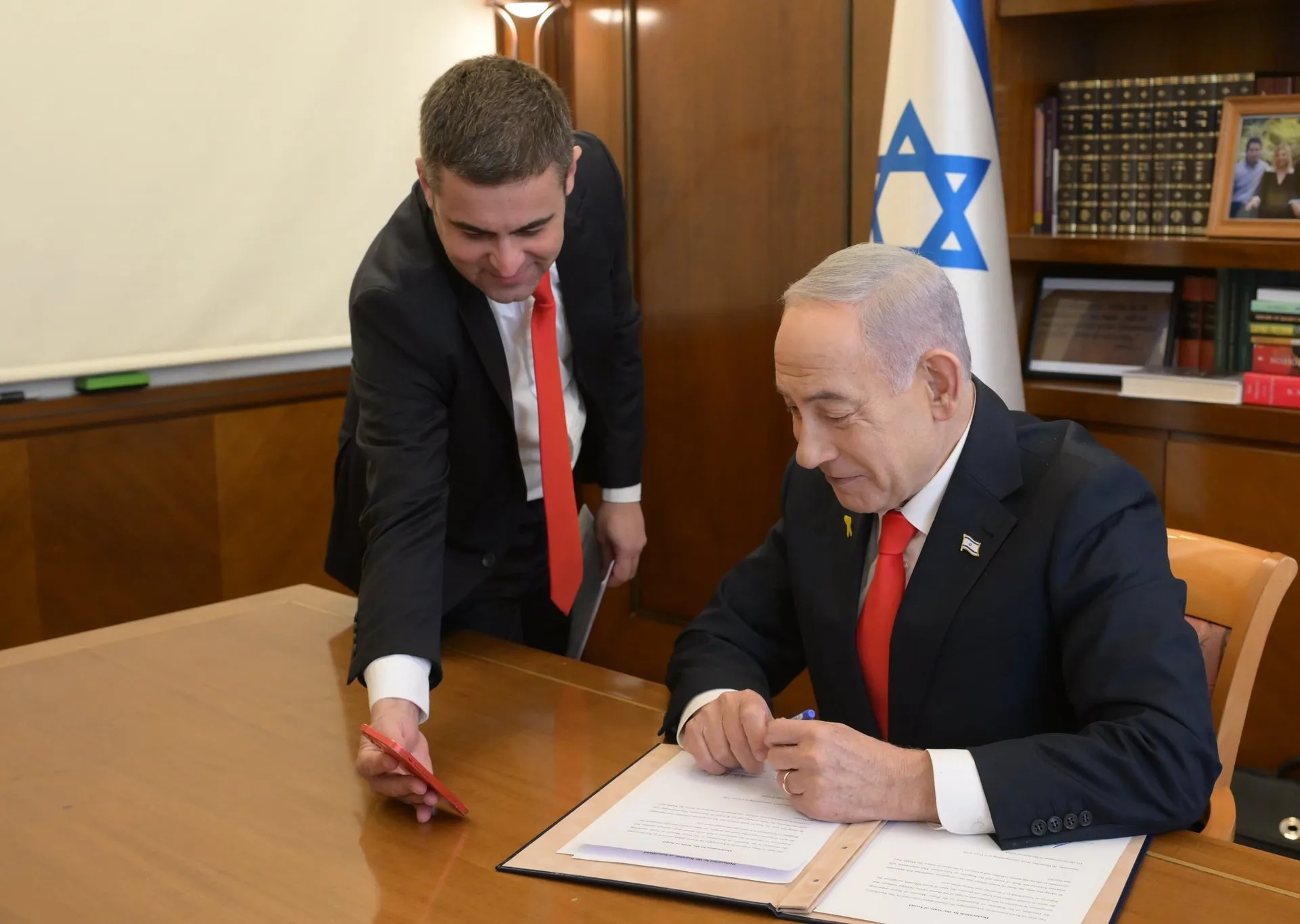
Somalia issued a strong diplomatic protest on Saturday after Israel formally acknowledged Somaliland, a self-governing region that declared separation from Somalia in 1991. Officials in Mogadishu labeled the decision a serious violation of national unity and sovereignty, warning they would activate every diplomatic channel available to contest the move.
State Minister for Foreign Affairs Ali Omar described Israel’s action as unacceptable interference in Somalia’s internal affairs. In remarks to international media, he said the government viewed the recognition as a politically disruptive step that undermines Somalia’s territorial claims.
“This position is firmly rejected by our administration and our people,” Omar said, reaffirming that Somalia remains committed to defending its borders and national integrity. He also called on Israel to reconsider its stance and respect international legal frameworks governing state recognition.
Somaliland’s Status and Regional Sensitivities
Somaliland broke away amid the collapse of Somalia’s central government in 1991 after years of civil war. Despite building independent-style institutions — including a parliament, currency, and national symbols — it has never received formal UN member-state recognition. Several areas in its eastern frontier remain contested, and Somalia has consistently maintained that the region is legally part of its national territory.
Somaliland President Abdirahman Mohamed Abdullahi (Cirro) had hinted for weeks that a foreign government might soon endorse Somaliland’s political status, though he did not publicly name the country. In recent months, billboards across Hargeisa, Somaliland’s capital, carried public messaging signaling that international recognition could be approaching, raising public expectations.
Omar said the Horn of Africa’s strategic position in global trade routes continues to attract foreign diplomatic interest. “This region has long been important for international commerce, and that relevance continues today,” he noted.

Political Accusations and Wider Diplomatic Reactions
Somali officials raised concerns that the timing of the recognition could complicate wider geopolitical discussions, including those involving the Middle East. Omar said Somalia believed Israel’s interest in Somaliland recognition was partly driven by political calculations linked to Gaza, a claim that has also been echoed by Palestinian diplomatic officials who publicly supported Somalia’s stance.
Somalia says the recognition could fuel diplomatic friction across Africa and the Arab world, where several governments criticized the announcement, urging respect for African Union principles on inherited borders and non-alteration of sovereignty.
Israel Seeks U.S. Support, Trump Declines Alignment
Israeli Prime Minister Benjamin Netanyahu said the decision reflected the momentum of normalization agreements similar to the Abraham Accords, and indicated he would discuss Somaliland during a planned call with U.S. President Donald Trump. Netanyahu also extended an invitation for President Cirro to visit Israel, which Somaliland confirmed had been accepted.
However, Trump distanced himself from Israel’s position, stating he would not mirror Israel’s decision on recognizing Somaliland. His comments marked a shift from earlier months when Washington had signaled interest in talks about Somaliland’s role in regional security, though the U.S. leader has not committed to supporting diplomatic recognition.
Somali officials welcomed Trump’s decision not to align, including Public Works Minister Ayub Ismail Yusuf, who posted appreciation for the U.S. president’s stance on social media.
African Union Reaffirms 1964 Border Principles
African Union Chairperson Mahamoud Ali Youssouf rejected initiatives seeking to grant Somaliland independent-nation status, citing the AU’s 1964 resolution on preserving colonial-era borders as a core principle. He warned that recognizing Somaliland could establish a precedent with long-term implications for the continent’s stability.